Cottages and apartments
Self-catering cottages, farmhouses and apartments
The right answer for long walking days, dogs, families and anyone who would rather cook than be served.
Self-catering is the most varied category here because the building stock is. It runs from a one-bedroom apartment carved out of a Victorian villa in Lynton to a working farmhouse ten miles out on the moor, and the difference between the two is far bigger than the difference between two hotels.
-
AI-generated image 01
In the villages
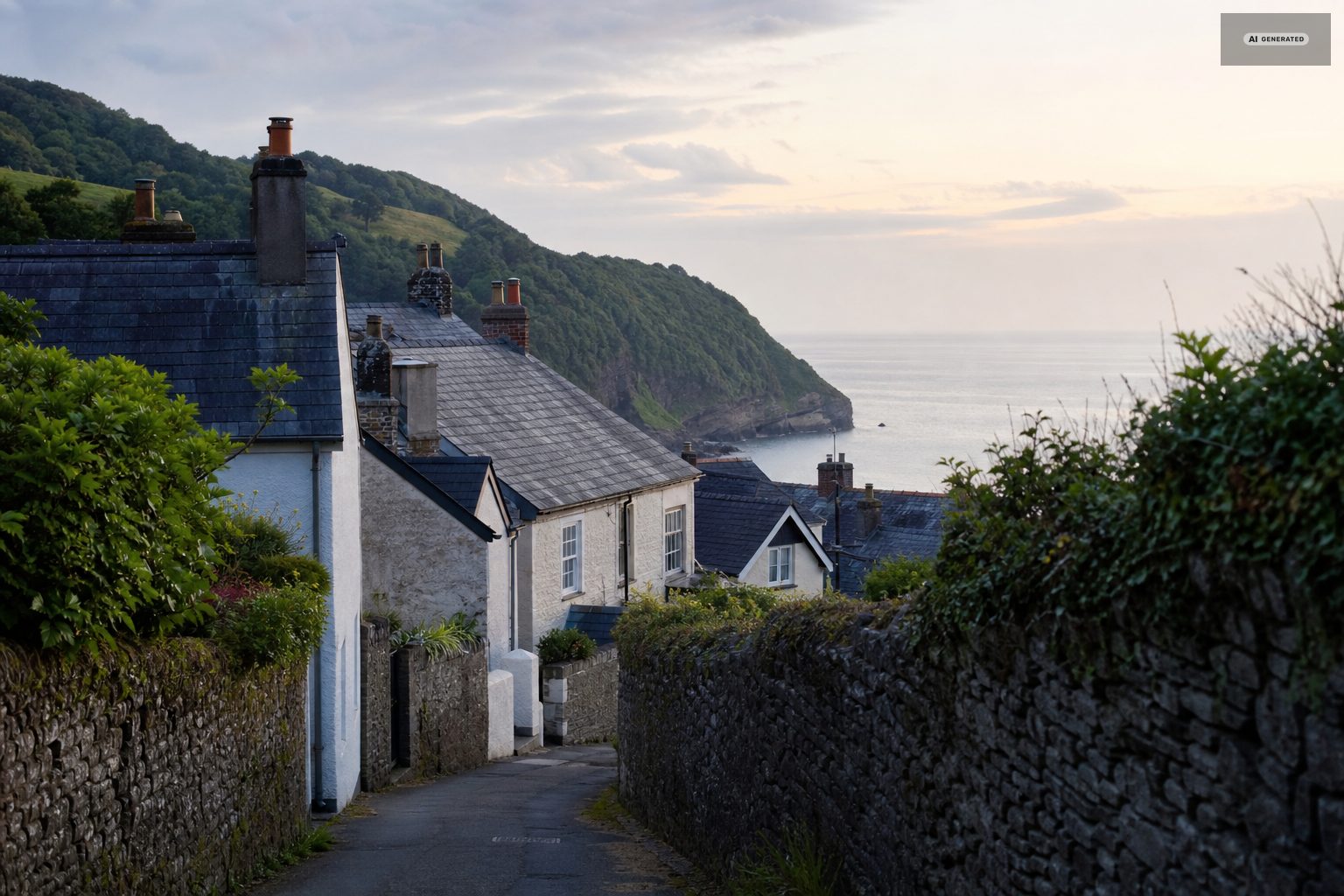
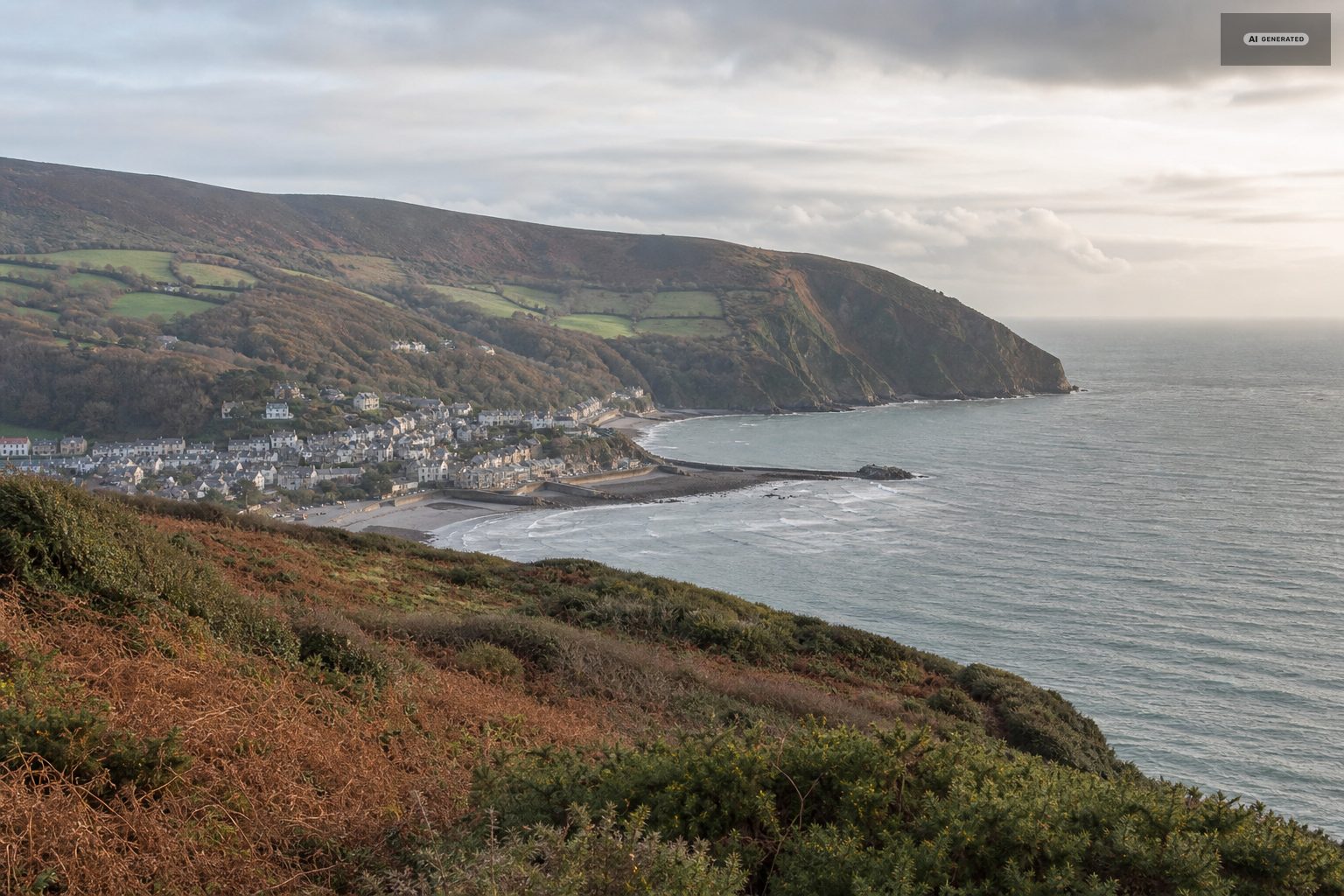
Lynton and Lynmouth both have cottages and apartments in converted older buildings, often on several floors with steep stairs and small rooms, and often with a view worth the stairs. Being in the village means you can walk to a pub, the harbour and the cliff railway, which matters if you would rather not drive in the evening.
Parking is the standard constraint. A property with an allocated space is worth paying for, especially in Lynmouth.
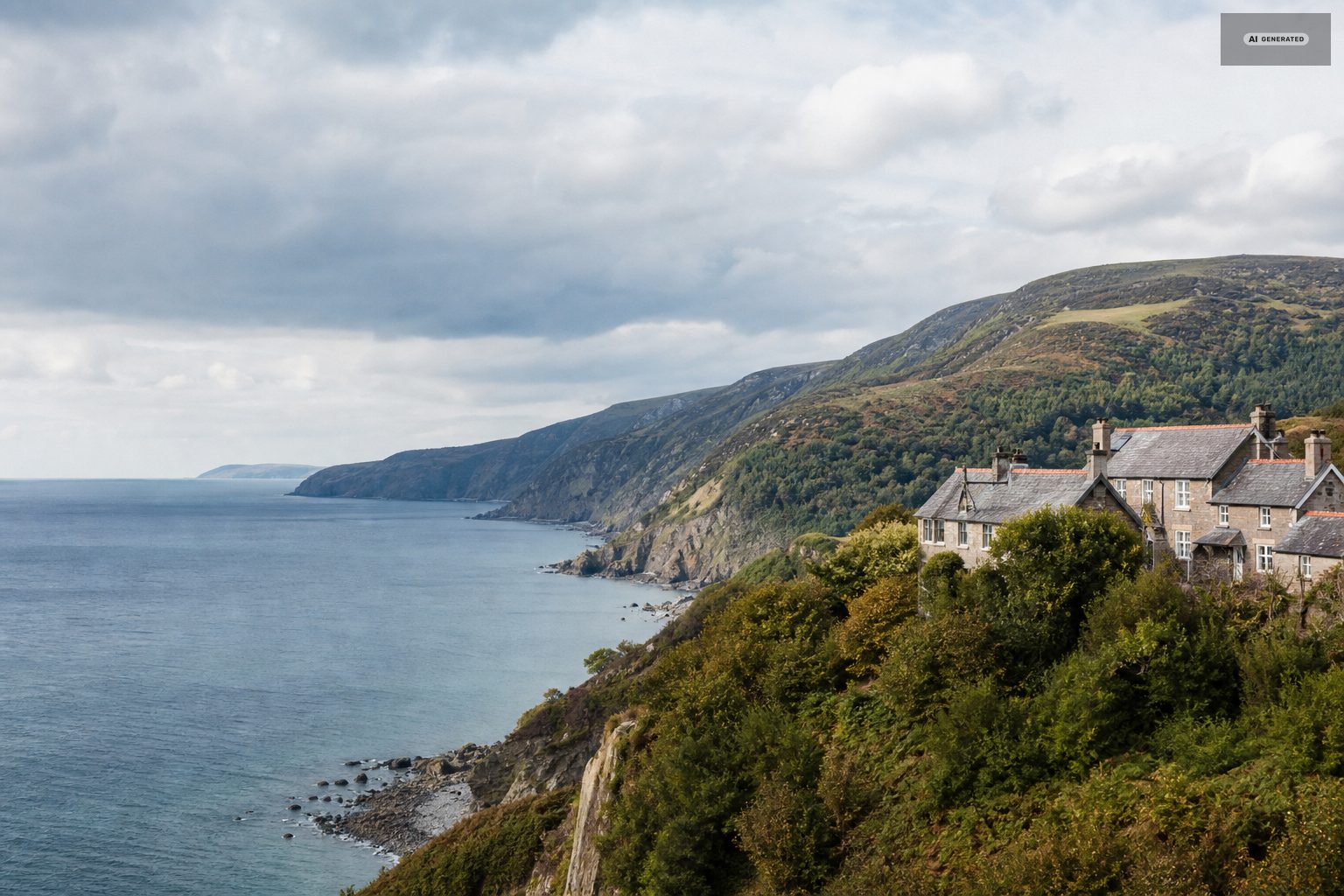
A cottage in Lynton or Lynmouth puts you inside walking distance of everything and inside the sound of the place - the gulls, the rivers, the cliff railway winding up and down through the day. The buildings are old, which means thick walls, small windows and stairs that were built for smaller people; it also means the character that a modern conversion cannot fake.
-
AI-generated image 02
Out on the moor
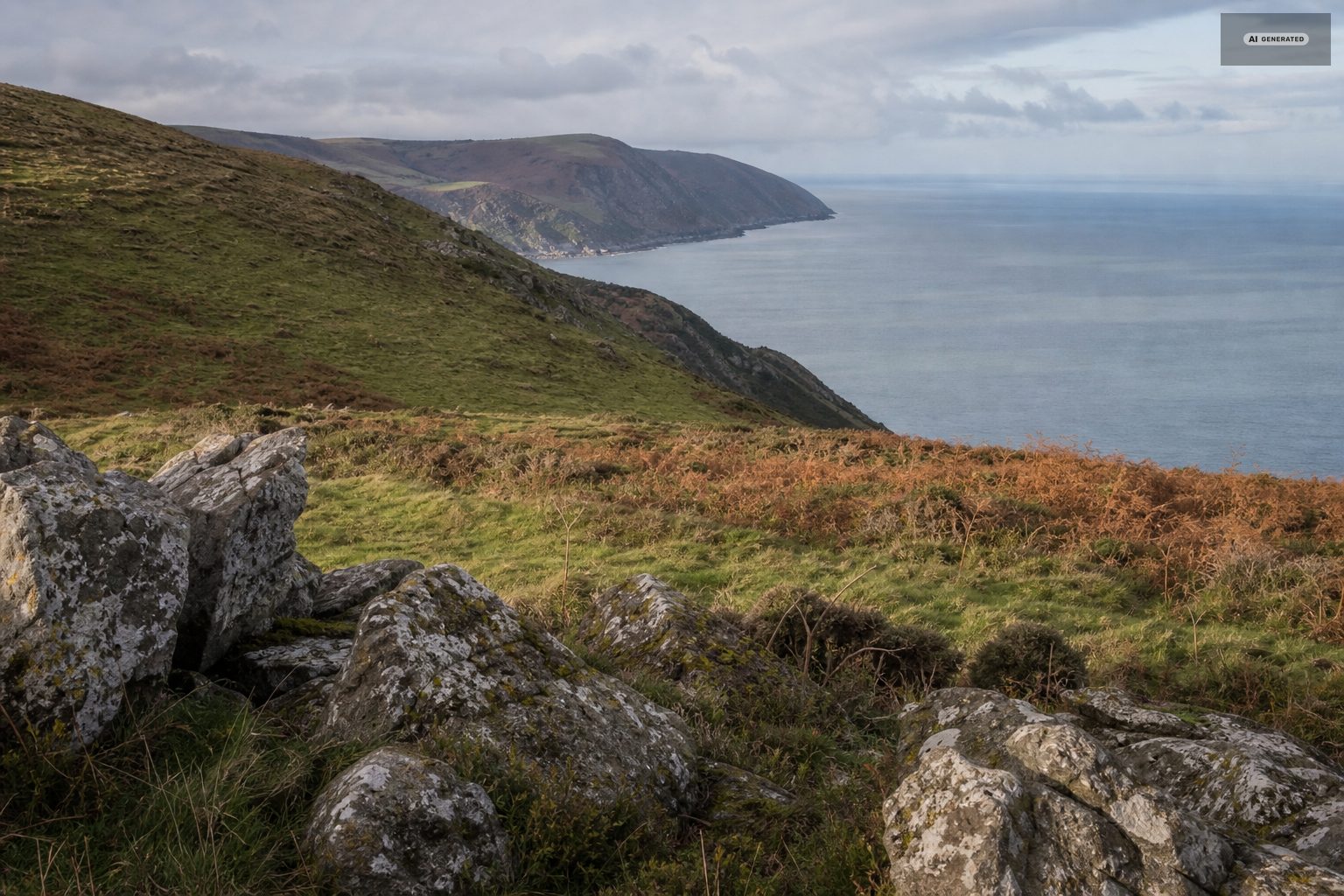
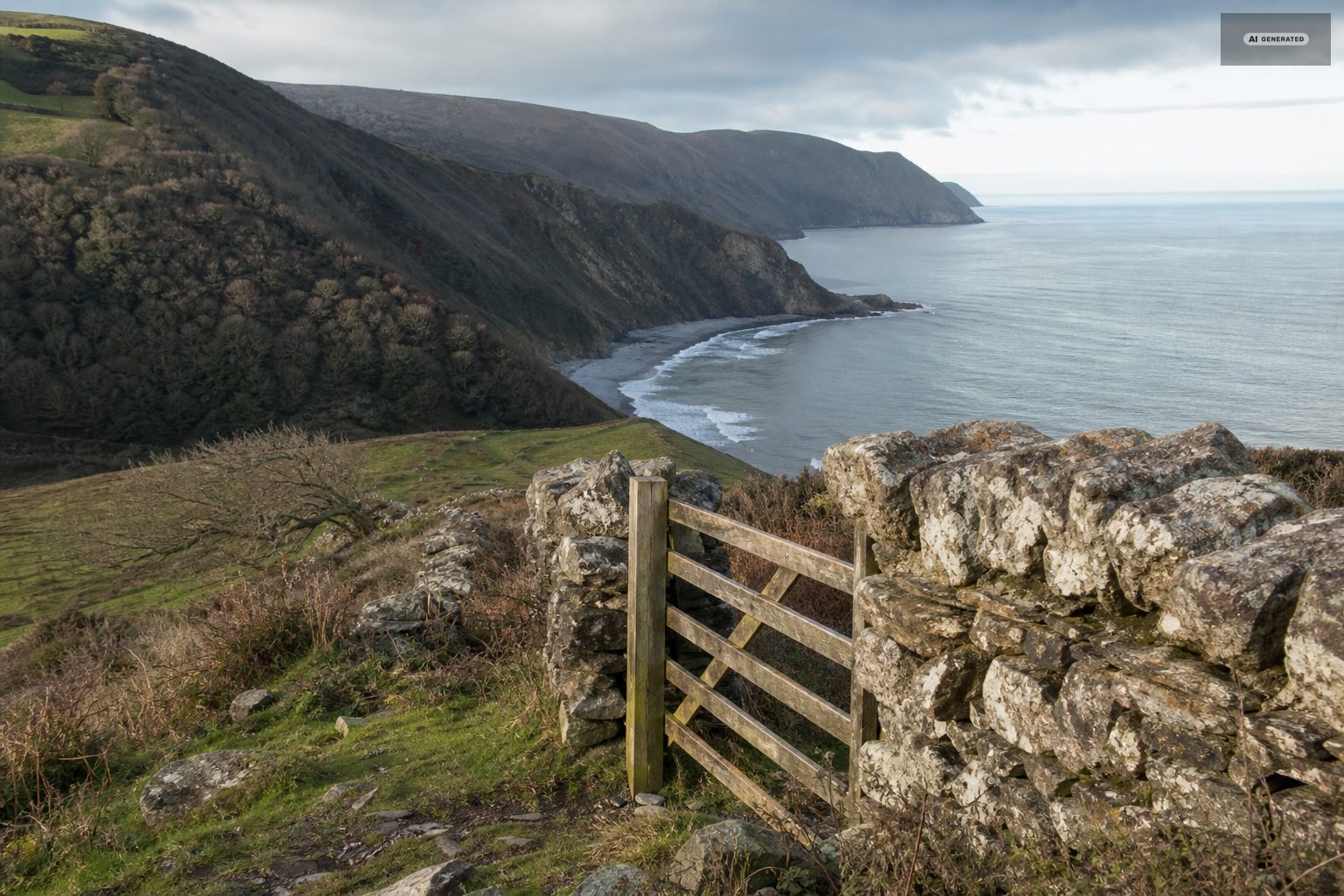
Farmhouses, converted barns and estate cottages sit across the valleys and the open moor - Brendon, Martinhoe, Parracombe, Countisbury, Simonsbath and further. These are larger, quieter, better set up for boots and dogs, and dependent on a car for everything. Several are on working farms, which is a feature rather than a drawback if there are children in the party.
Out on the moor the trade is space and silence for distance to everything. A converted barn above a combe gives you dark skies from the doorstep and deer in the field at dawn, and it puts twenty minutes of single-track lane between you and a pint of milk. Neither is better; they are different weeks.
-
AI-generated image 03
How letting works
Weekly lets remain the norm in July and August, traditionally running Saturday to Saturday, though changeover days and short breaks have both become more flexible. Outside the school holidays, three- and four-night breaks are widely available and are the best value in the year.
Deposits are normal at booking with the balance due before arrival. Cancellation terms vary a great deal between owners and agencies, and travel insurance is worth having on a weekly booking made months ahead.
-
AI-generated image 04
Practical things
- Shopping. There is no supermarket in either village. Do a big shop in Barnstaple or Minehead on the way in and use the village shops and the pannier markets for top-ups.
- Heating. Old stone buildings on an exposed coast are cold outside high summer. Ask what the heating is and whether wood is provided if there is a stove.
- Drying. You will get wet. A drying space, a utility room or even a decent radiator matters more here than a dishwasher.
- Signal and internet. Both are unreliable in the combes. If you need to work, confirm it before booking rather than after.
- Access. Some moorland properties are down unsurfaced tracks. Ask, particularly in winter.
-
AI-generated image 05
Who it suits
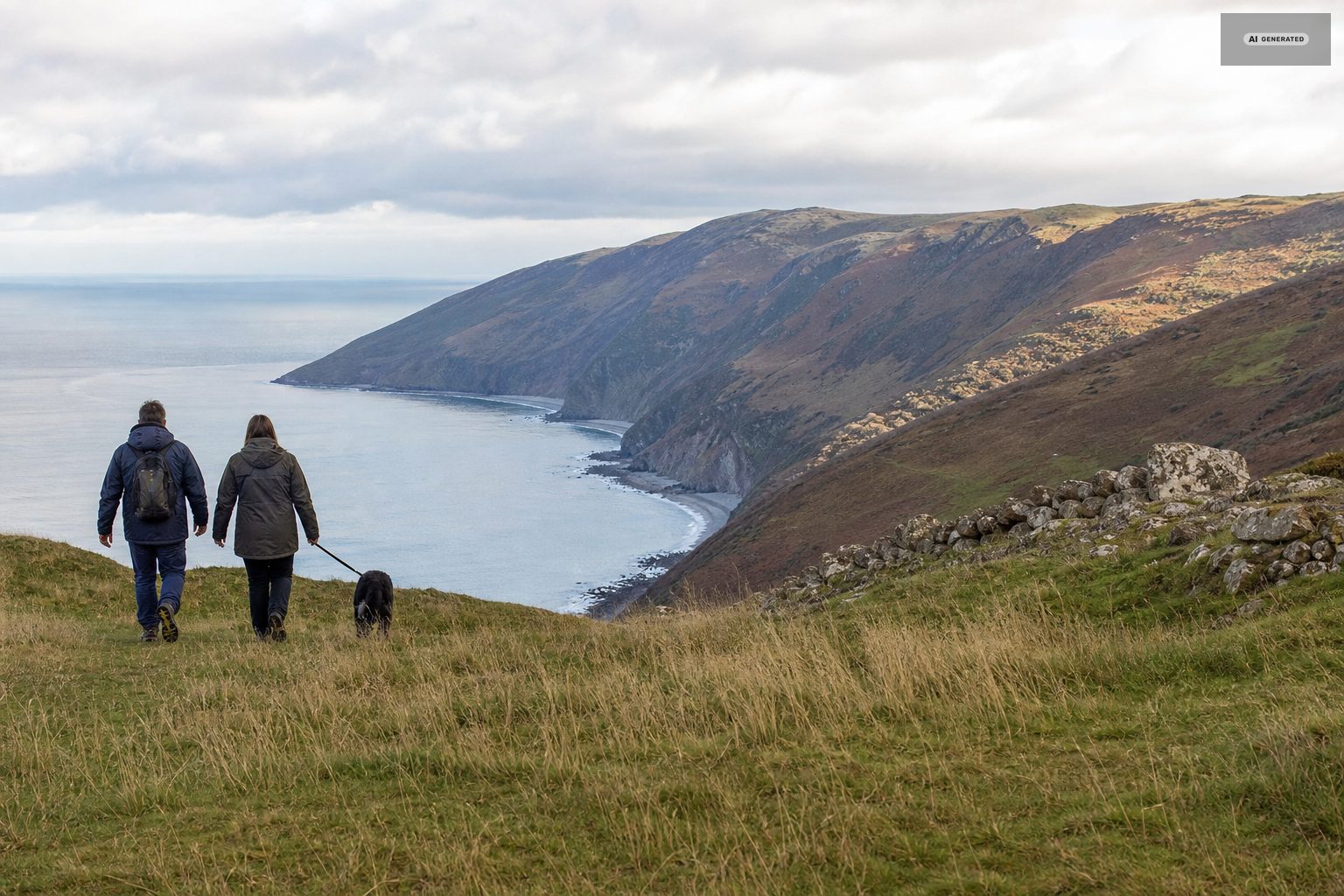
Families, because there is space and a kitchen. Walkers, because you can leave at seven and come back at six without a dining-room schedule. Dog owners, because self-catering is where dogs are most consistently welcome. And anyone visiting out of season, when the eating options contract and having a kitchen stops being optional.
Self-catering suits the two ends of the market best: families who want their own space and their own hours, and walkers who come back wet and want a drying room and a kitchen rather than a dining room with a sitting. For a couple staying two nights, a guest house is usually less work.
-
AI-generated image 06
Village or moor
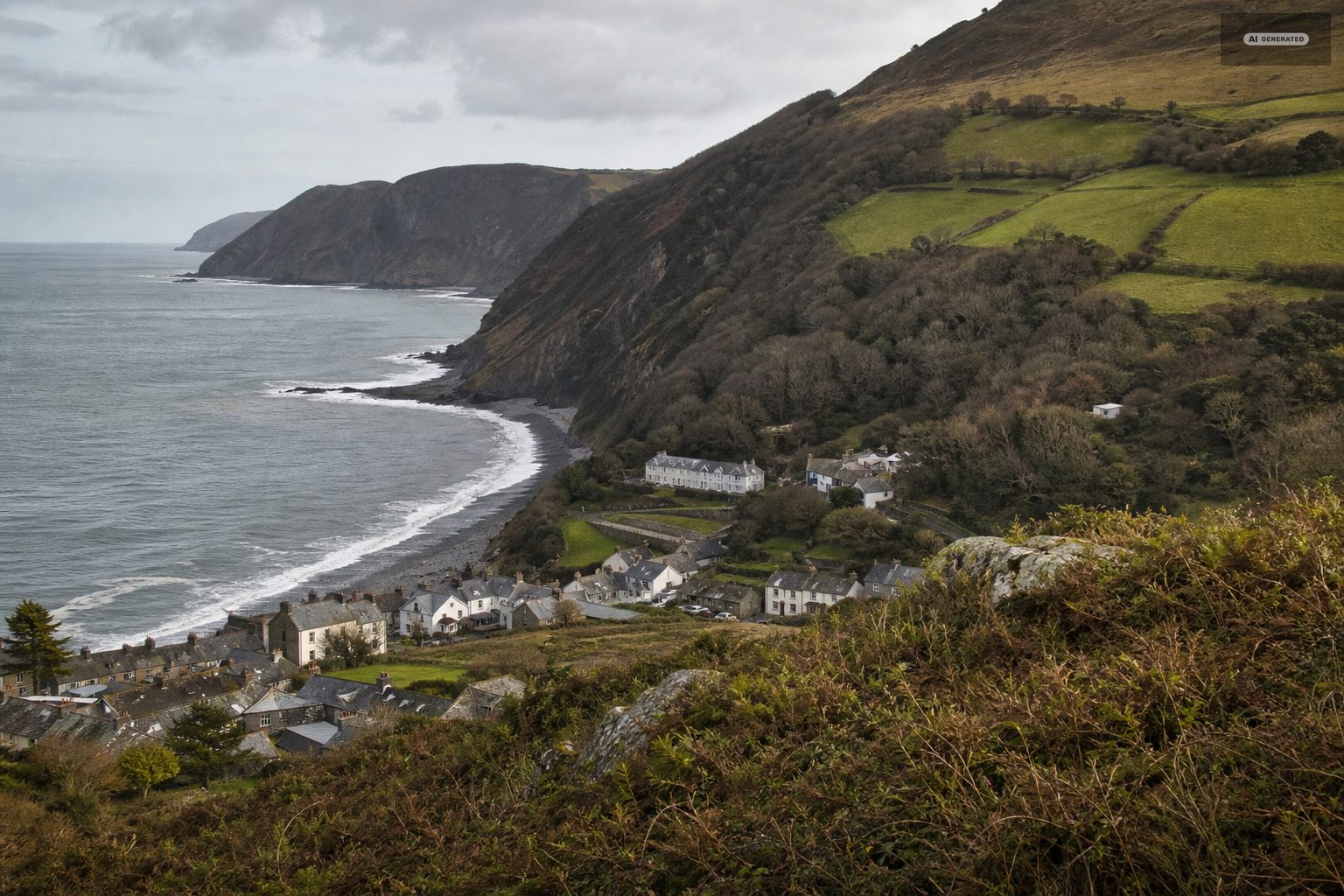
The choice within self-catering matters as much as the choice to self-cater at all. A conversion in Lynton or Lynmouth puts a pub, the harbour and the cliff railway within a walk and takes parking away; a farmhouse on the moor reverses both. Families with small children and anyone who would rather not drive after dinner are usually better in a village; groups, walkers, riders and dog owners are usually better out.
If it is a first visit, stay in a village. The two settlements and the ground immediately around them will fill a week easily, and everything is reachable on foot. Save the moorland barn for the second trip, when you know which combe you want to be above.
Common questions
Can you rent a cottage in Lynton or Lynmouth for a weekend?
Outside the school holidays, yes - three- and four-night breaks are widely available and are the best value of the year. In July and August weekly Saturday-to-Saturday lets are still the norm.
Are self-catering cottages here dog friendly?
Very often, usually with a small charge. Self-catering is the category where dogs are most consistently welcome, but confirm at booking.
Is there a supermarket for self-catering guests?
No. The villages have small shops only. Stock up in Barnstaple or Minehead on the way in and use the pannier markets during the week.
What should you check before booking a cottage on Exmoor?
Heating, a drying space, parking, mobile and internet signal, and the state of the access track if it is out on the moor.