Pannier markets
Market days around Lynton and Lynmouth
Neither village has a market of its own. Half a dozen towns within an hour do, and between them they cover most days of the week.
The pannier market is a West Country institution: a covered hall, usually Victorian, where farmers and makers took stalls on set days of the week. Most North Devon and West Somerset towns still run one, and for anyone self-catering in Lynton or Lynmouth they are the practical alternative to a supermarket forty minutes away.
-
AI-generated image 01
Where the markets are
Barnstaple
The biggest and the most consistent, in a long glass-roofed hall in the town centre. It runs several days a week with different emphases - produce and food on some days, crafts, antiques and general goods on others. About twenty miles and forty minutes by road, and the same trip that covers a supermarket stop.
South Molton
A smaller and more agricultural market in a handsome market town on the southern edge of the moor, strong on local meat and vegetables. About an hour.
Minehead
On the Somerset side, forty-five minutes east along the coast road, and easily combined with the eastern half of the 21 Mile Drive.
Dulverton
Small, on the southern edge of Exmoor, and worth the drive for the town as much as the stalls.
Combe Martin and the smaller villages
Village markets and producer stalls run seasonally along the coast, often on a Saturday morning and often only through the summer.
-
AI-generated image 02
What you will find
Exmoor lamb and beef from farms you can see from the road, local cheese, bread and cakes from small bakeries, vegetables that were in the ground the day before, and cider and juice from West Country producers. Alongside the food there is usually a spread of crafts, secondhand books, tools and plants, in proportions that vary with the town and the day.
The mix is consistent even though the towns are not: local meat and cheese, vegetables from the growers rather than the packers, fish landed on this coast, bread and cake baked that morning, and then the second half of any pannier market - tools, plants, secondhand books and the stall of things nobody can identify. Cash is still useful, though most traders now take cards.
-
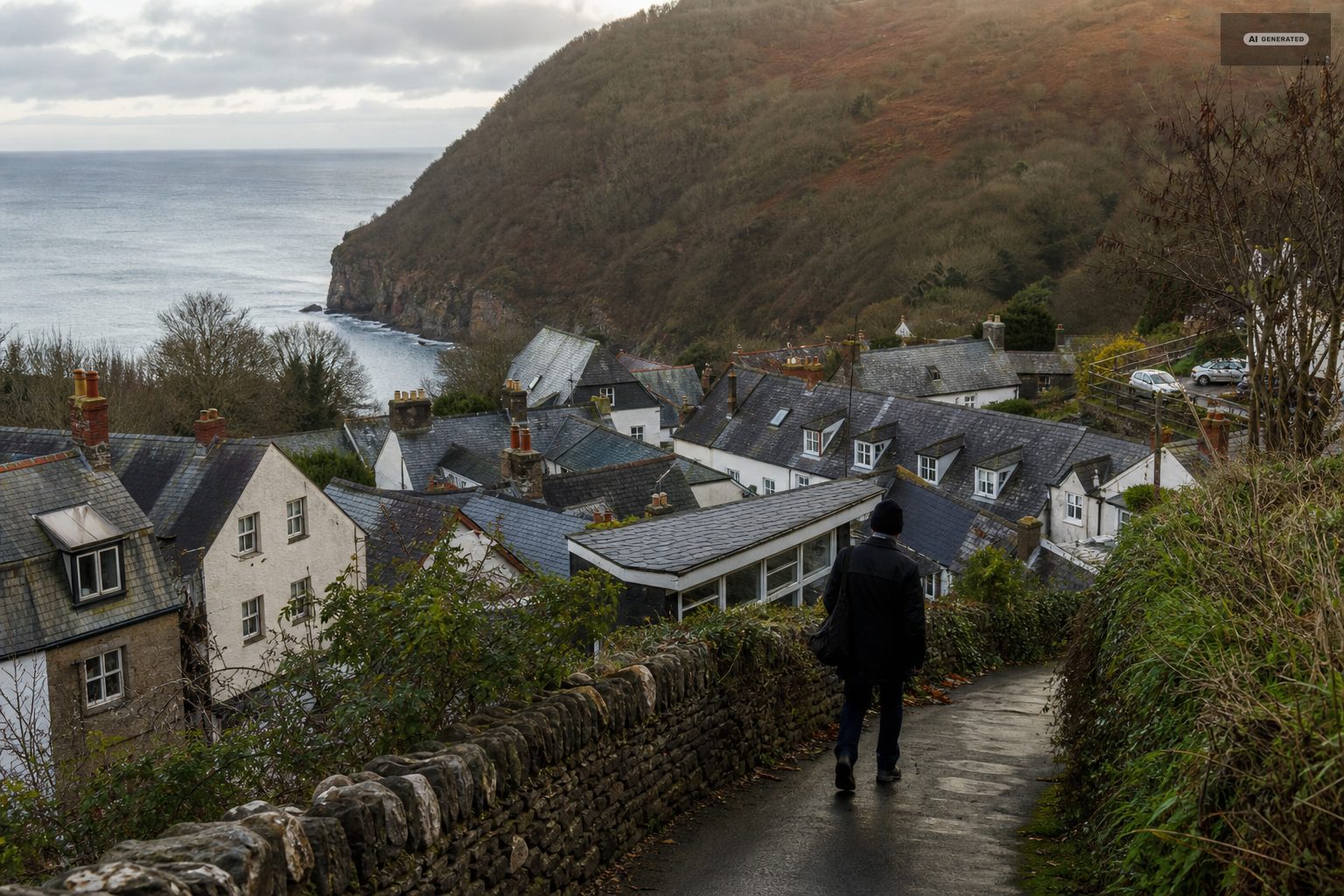
AI-generated image 03
Planning around them
Markets are morning events. Stalls set up early and a good number begin packing up in the early afternoon, so a market trip is a morning plan, not something to fit in after lunch. Bring cash - card is widely accepted now but not universally, and the smaller producers are the ones most likely to want notes.
Days shift around bank holidays and some markets contract in winter, so check locally before driving an hour on the strength of a website. The tourist information available in Lynton has usually had the current pattern before the internet does.
-
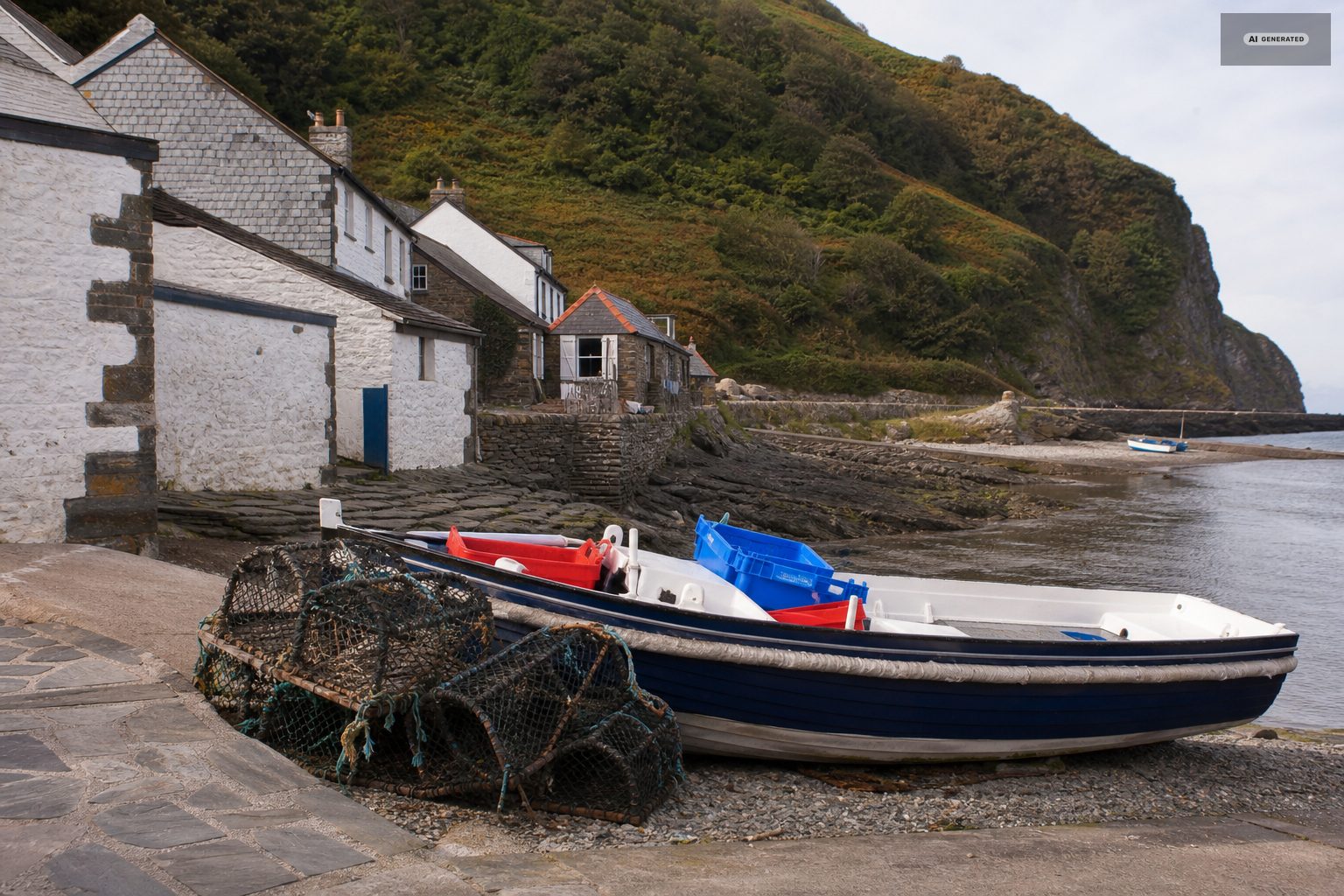
AI-generated image 04
If you are self-catering
The villages have small independent shops rather than a supermarket, so the sensible pattern is a big stock-up on the way in - Barnstaple or Minehead depending on your approach - and then top-ups from the village shops and a market trip mid-week for anything fresh. See food and drink for what the area actually produces, and places to stay for the self-catering options.
For a self-catering week the markets are the practical shop as well as the outing. One market run at the start of the week covers the meat, the cheese and the vegetables for several days, and it is generally cheaper than the equivalent from a supermarket forty minutes away.
-
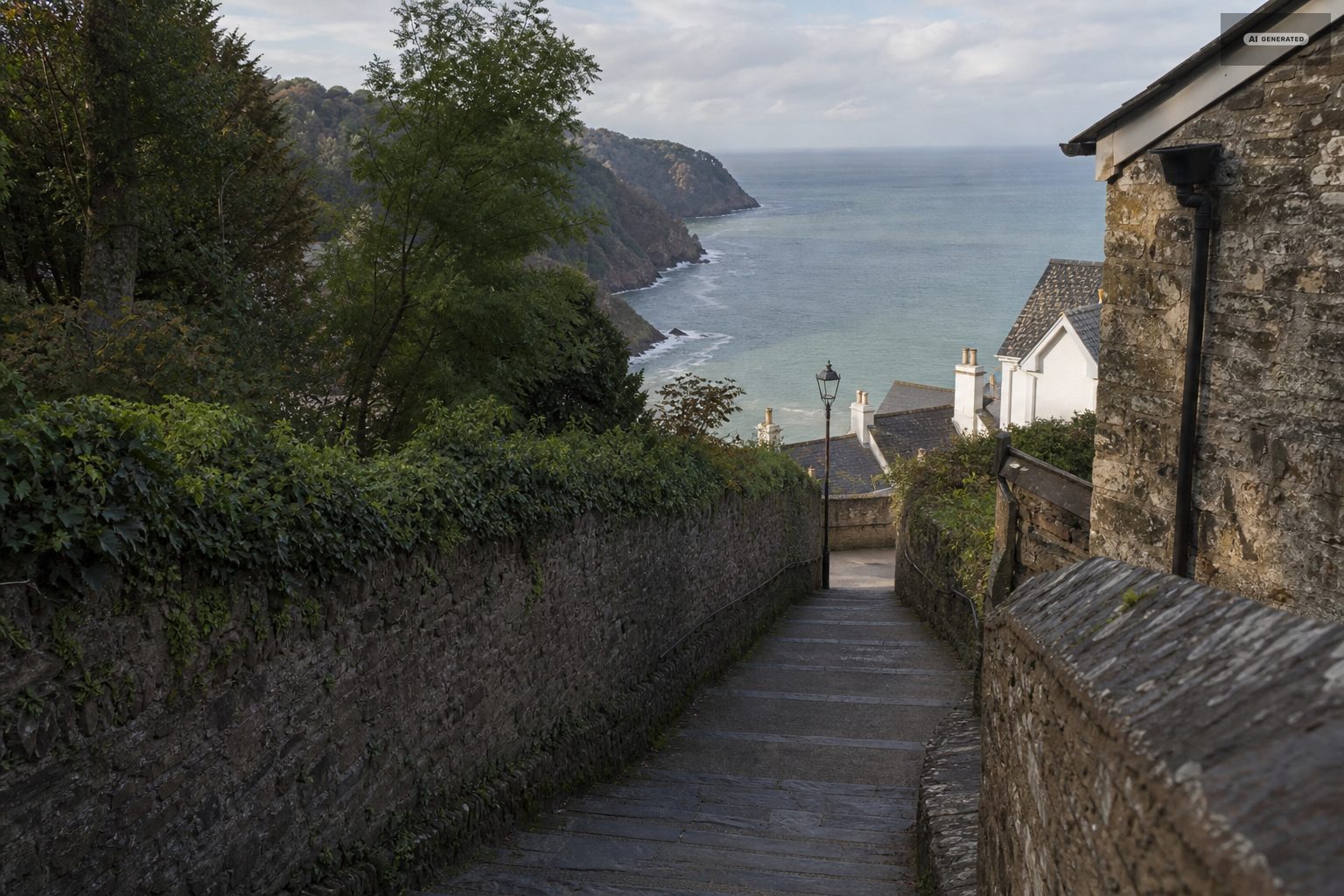
AI-generated image 05
Going as a visitor rather than a shopper
The pannier markets are worth an hour even if you are not self-catering. They are the one setting where the working part of North Devon and West Somerset is on view rather than the holiday part - farmers selling their own meat, growers with a single crate of whatever is ready, and a secondhand stall that has been in the same corner for thirty years. Barnstaple is the one to see if you only see one, because the hall itself is worth the trip.
Go early if you want the produce and late if you want the bargains; the last hour is when the stalls would rather sell than pack. Either way the markets are a working part of the local economy rather than a tourist attraction, which is exactly why they are worth the drive.
Common questions
Is there a market in Lynton or Lynmouth?
No. The nearest pannier markets are at Barnstaple, about forty minutes west, and Minehead, about forty-five minutes east, with smaller ones at South Molton and Dulverton.
What is a pannier market?
A West Country covered market, usually in a Victorian hall, where farmers and makers take stalls on set days. They sell produce, meat, cheese, baking, crafts and secondhand goods.
What time do the markets open?
Early morning, and many stalls begin packing up in the early afternoon. Treat a market visit as a morning plan.
Where do you shop for food in Lynton and Lynmouth?
Small independent village shops for day-to-day, with a stock-up in Barnstaple or Minehead on the way in and a market trip mid-week for fresh produce.