On the moor
Horse riding on Exmoor: open moor, bridleways and trekking
Exmoor is one of the few places in England where you can ride open country for hours rather than following a lane between hedges.
Most riding in southern England is riding along the edge of something - a lane, a field boundary, a bridleway between hedges. Exmoor is different. The open moor is crossed by a bridleway network that lets a horse move in more or less any direction across ground that is firm, grazed short and largely free of obstacles, and the result is a quality of riding that people travel a long way for.
-
AI-generated image 01
What the ground is like
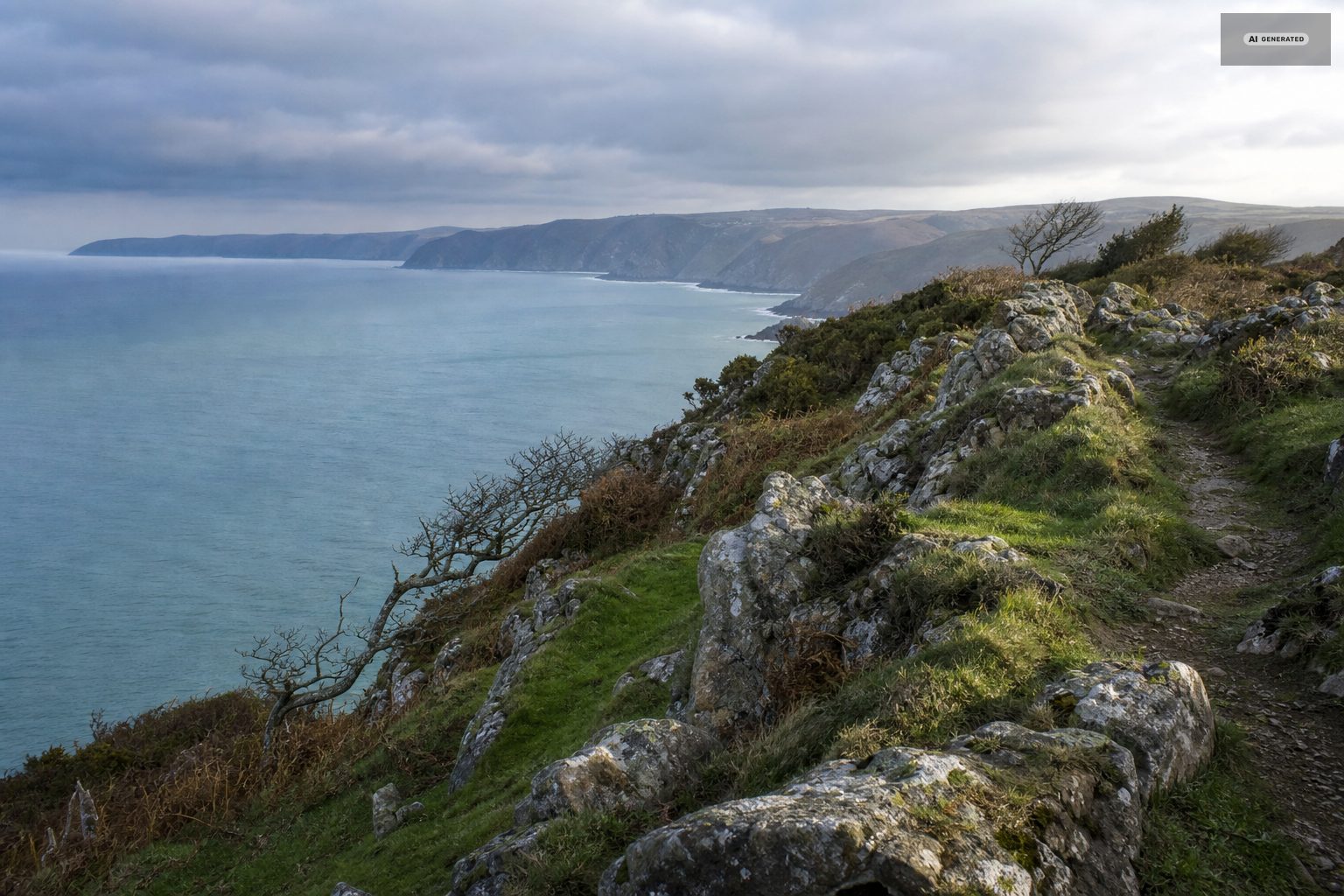
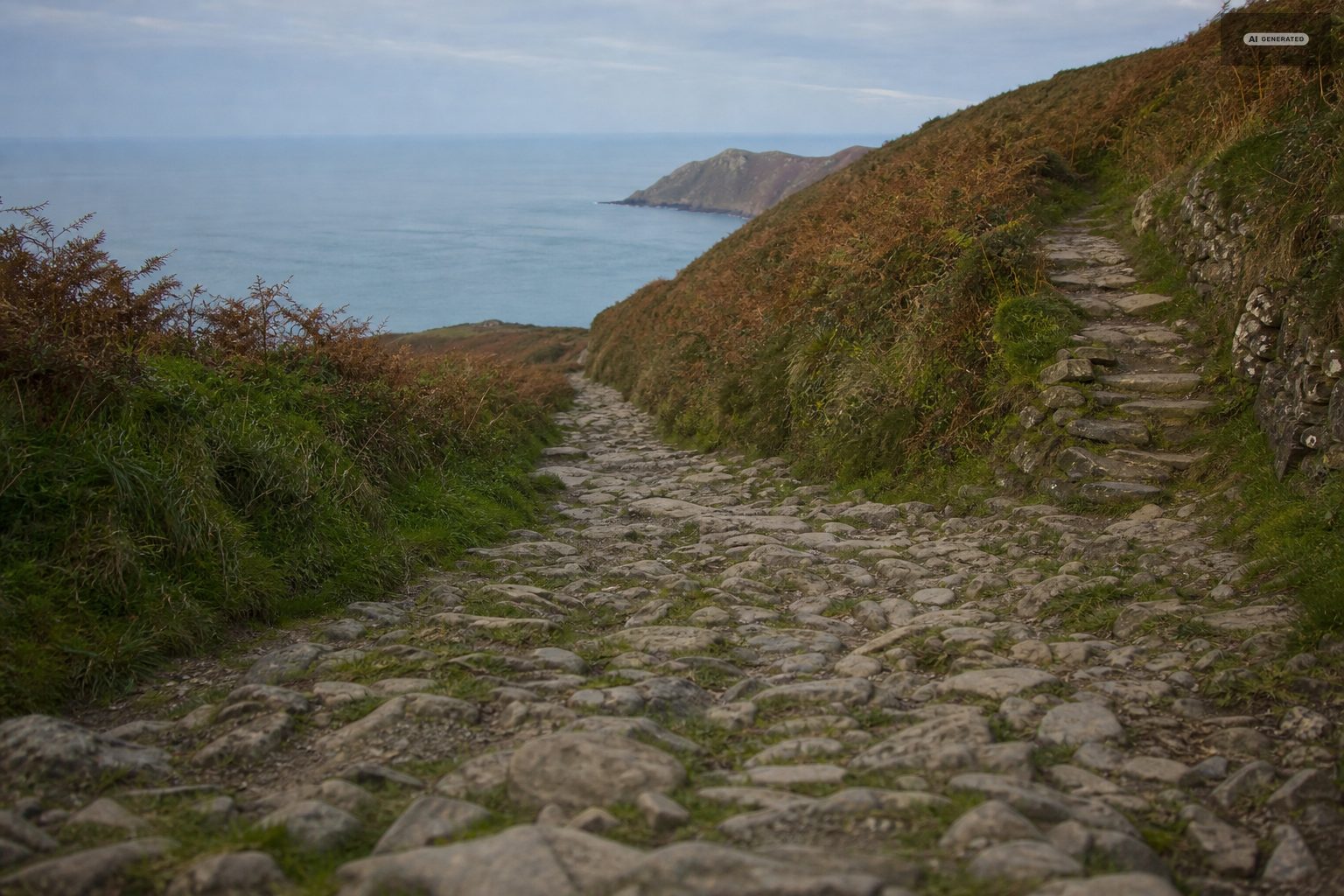
The high moor is heather and grass over peat, dry and firm in summer and soft in the combes after rain. Below it, wooded valleys carry steep tracks down to the rivers, and there are ford crossings that are straightforward in normal conditions and impassable when the water is up. The farmed edges are banked lanes and gated tracks. A day's ride can move between all three, and the changes come quickly.
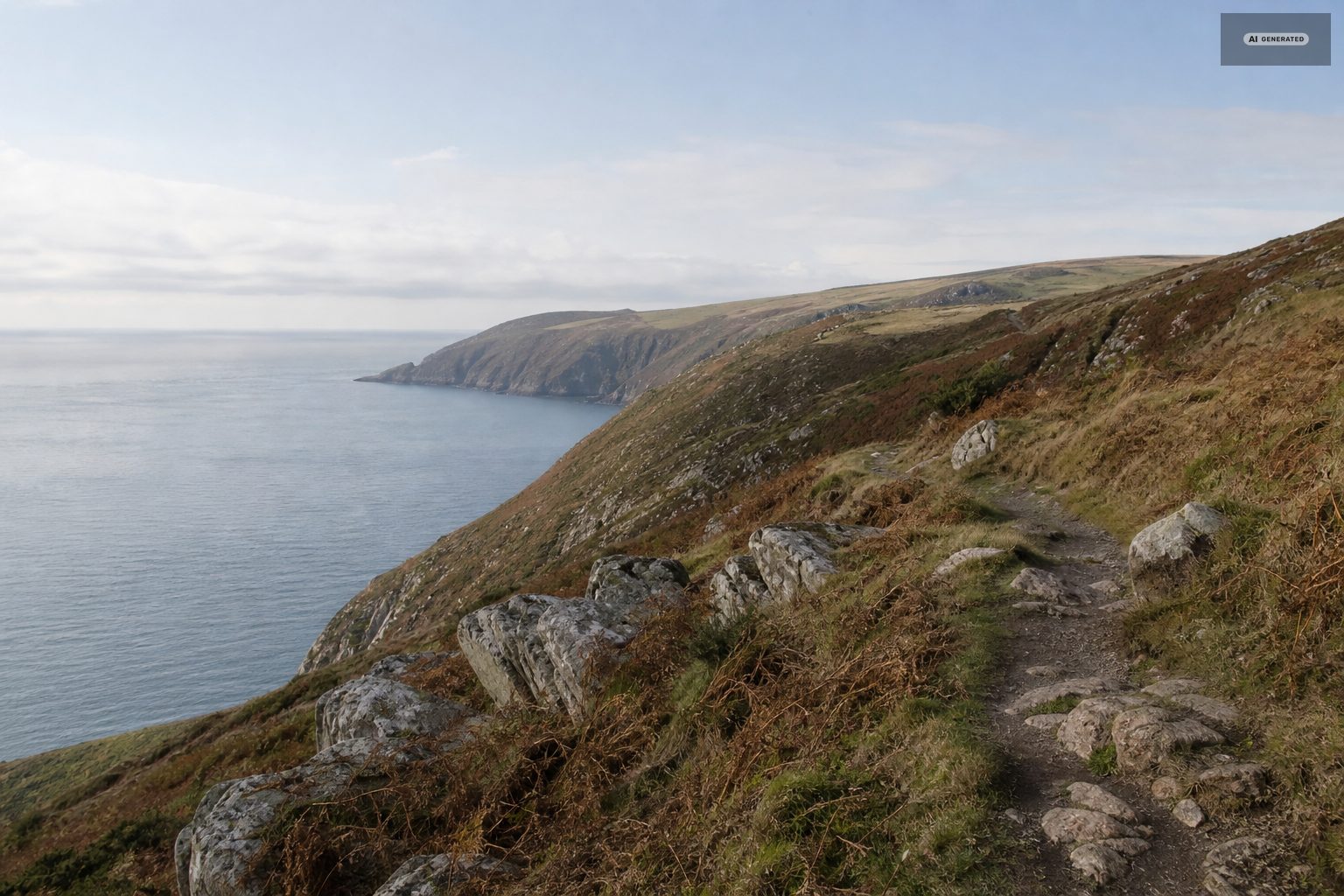
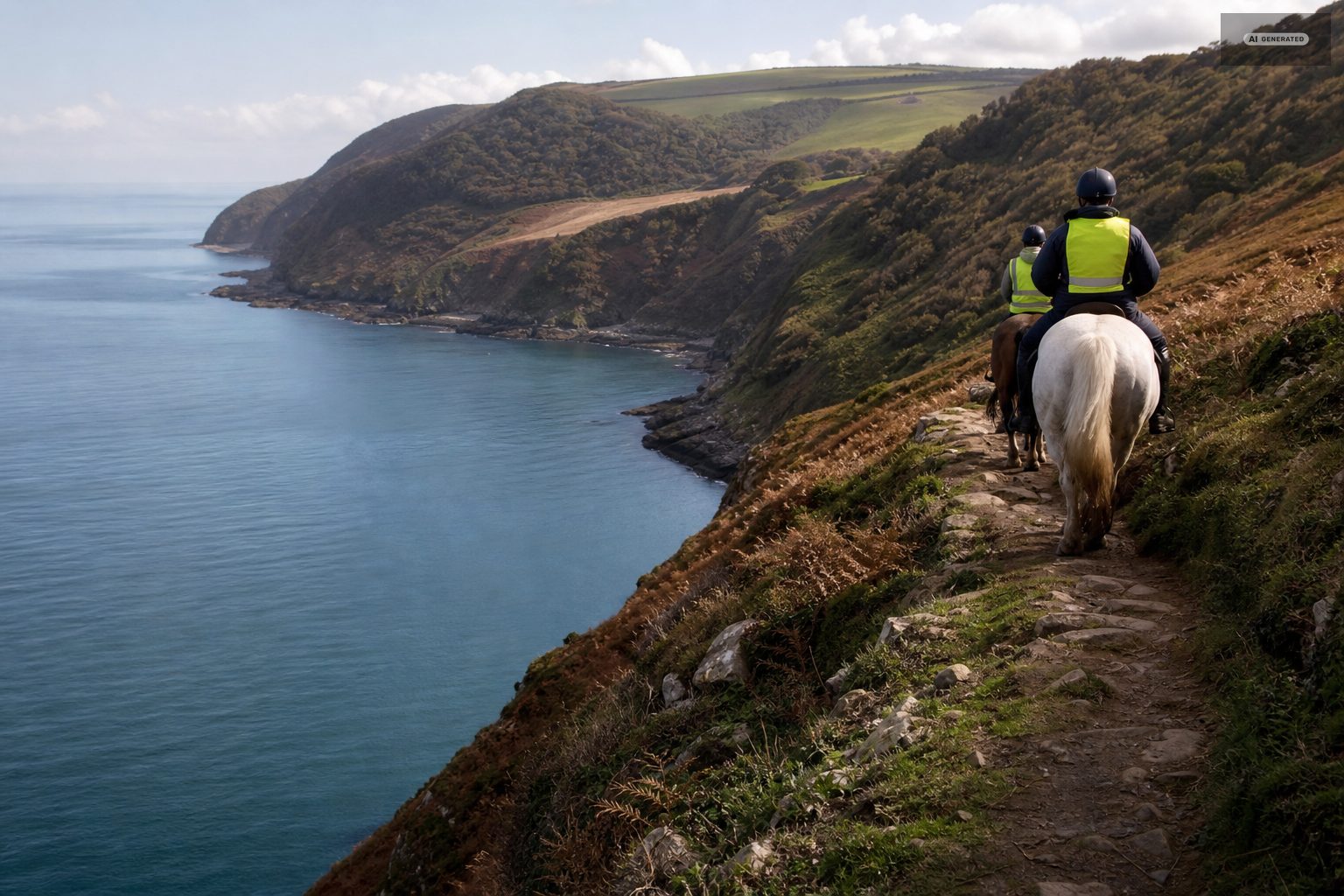
The ground changes with the height. The high moor drains slowly and stays soft into early summer, the coastal bridleways are firmer but narrow with a drop on the seaward side, and the wooded combes give the kindest going in wet weather and the best shelter in wind. Most days on Exmoor include all three.
-
AI-generated image 02
Exmoor ponies
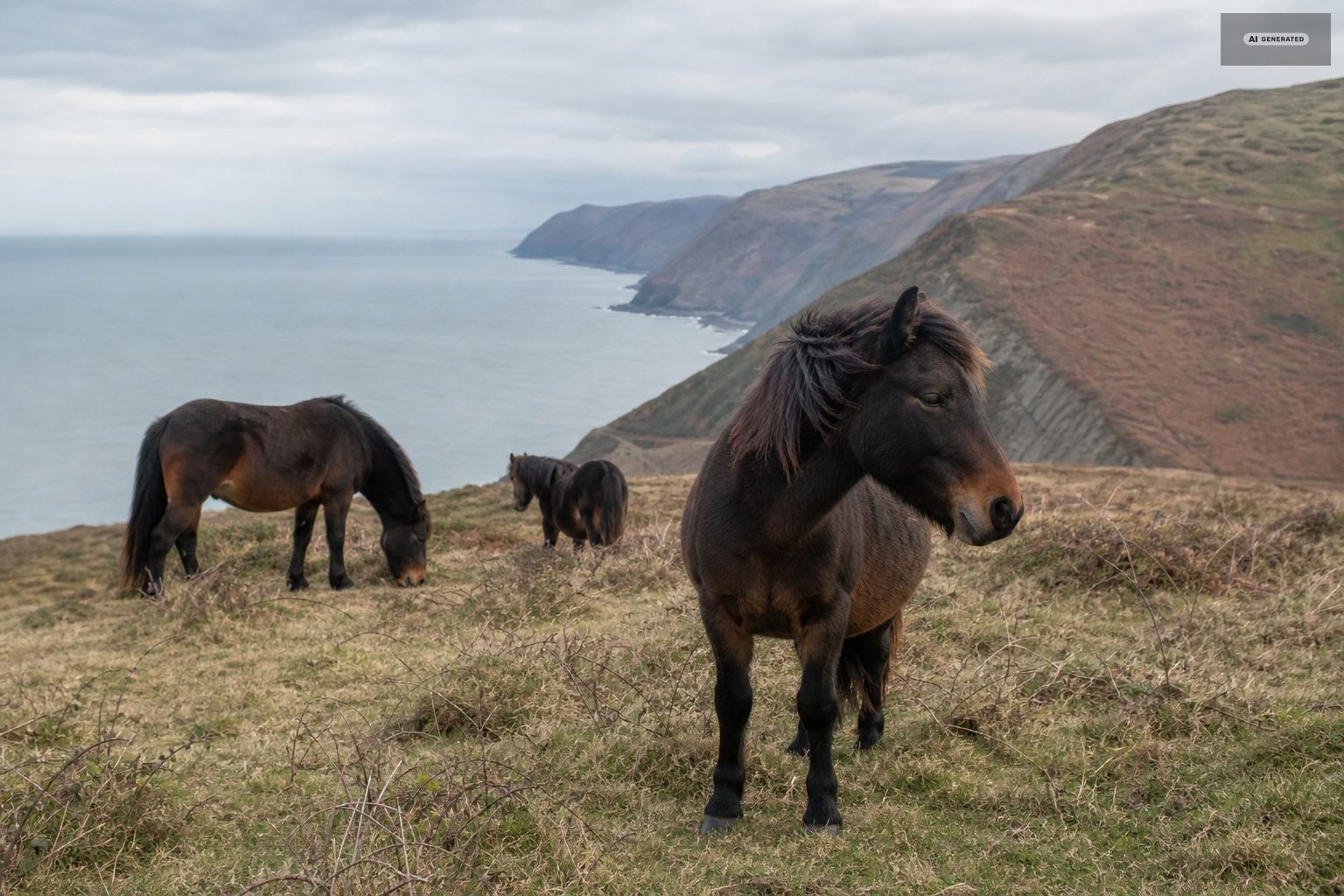
The native breed grazes the open moor semi-wild and is left out through the winter. They are small, extremely hardy and easy to recognise by the mealy muzzle and pale ring around the eye. Ridden Exmoors are used at some centres, particularly for children. Wild herds should be given room, and dogs kept well clear.
The free-living herds are not pets and are not tame. They are hardy native stock, wintered out, and they are used to walkers passing at a distance. Feeding them does real harm - it draws them onto roads and teaches them to approach cars - and the herds are monitored closely enough that the damage shows up quickly.
-
AI-generated image 03
Trekking and lessons
Riding centres are scattered around the moor rather than in the villages - the country around Brendon, Simonsbath, Exford and Porlock has most of them. Between them they cover everything from an hour-long led trek suitable for a complete beginner to full days across the moor for competent riders, and several offer stabling for visitors bringing their own horses.
Book ahead in the summer and through school holidays. Most centres set a weight limit and ask for realistic self-assessment of ability, which is worth taking seriously: a fast canter across open moor is not the place to discover the limits of your riding.
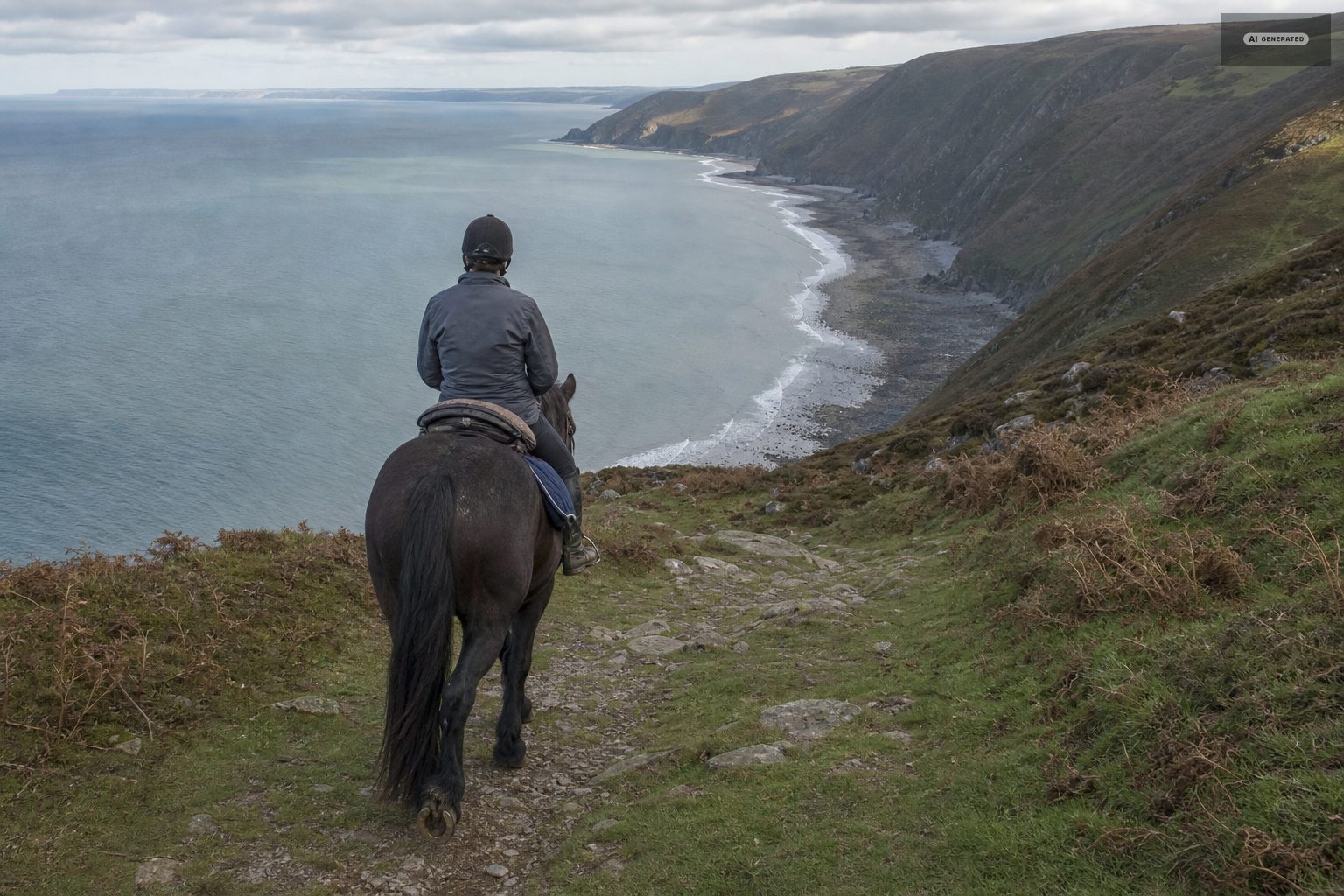
A led trek is the sensible introduction for anyone who has not ridden on open ground. Moorland riding asks for a different seat than an arena does - long descents, uneven going, gates, and the occasional deer breaking out of bracken - and an hour behind someone who knows the ground is worth an afternoon of guessing.
-
AI-generated image 04
Bringing your own horse
Exmoor is well set up for it, with a number of farms and small yards offering visitor stabling and direct access to the bridleway network. Approach roads are the main consideration - a horsebox on Porlock Hill or Countisbury is a poor idea, and the A39 from Barnstaple is the sensible route in from every direction.
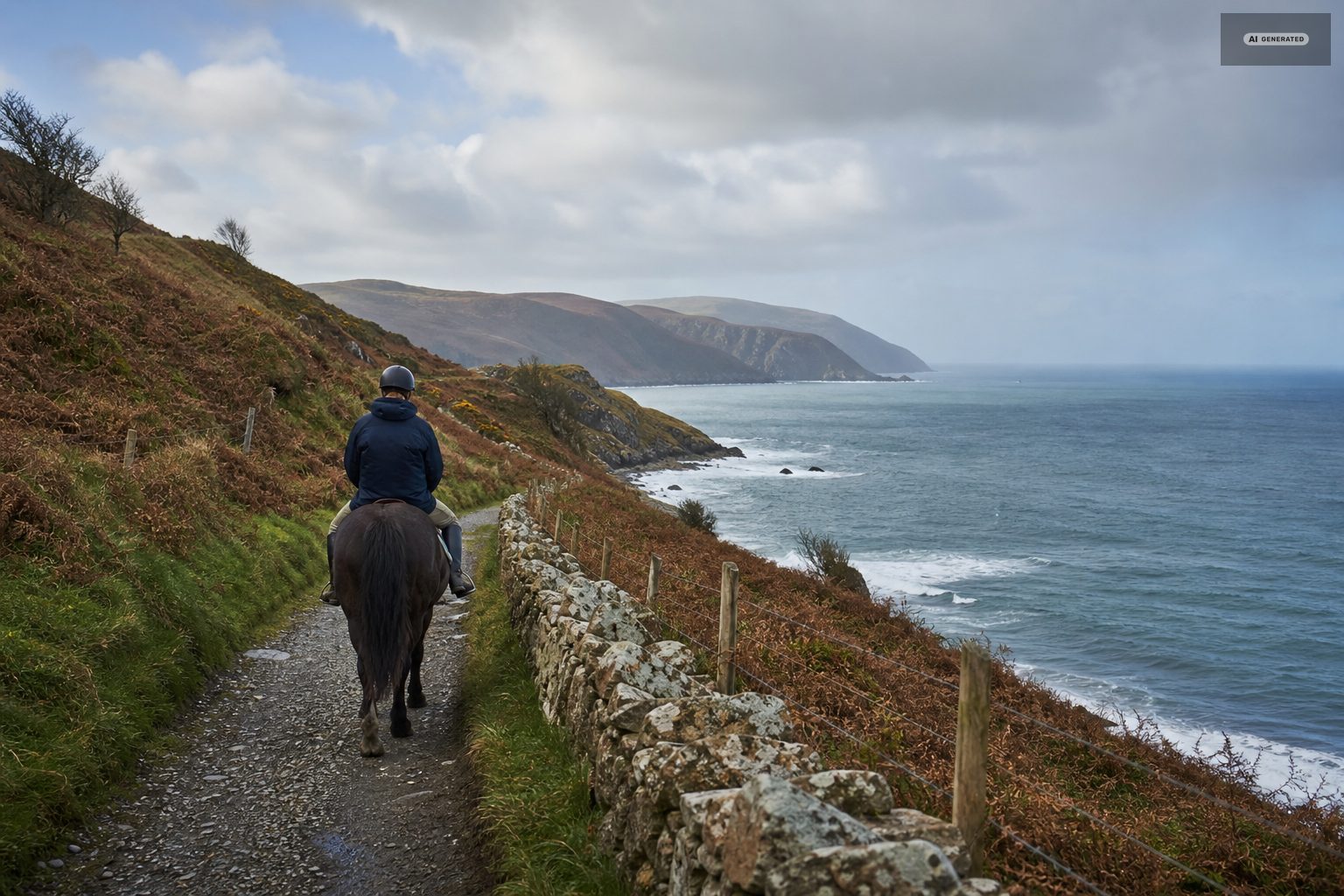
Plan the route around water and gates rather than distance. Long stretches of the moor have neither, and the gates that do exist are worked by people on horseback often enough that they are usually easy - but a route that crosses stock ground in the lambing weeks of spring is best left for later in the year.
-
AI-generated image 05
What to wear and expect
Hats are provided by centres and are non-negotiable. Weather on the moor changes fast and is colder than the coast; a waterproof layer that packs small is worth having even on a bright morning. Boots with a heel, long trousers, and gloves if you have them. Rides go out in light rain as a matter of routine, and are cancelled in fog or high wind because navigation on the open moor stops being trivial.
-
AI-generated image 06
Riding safely on open ground
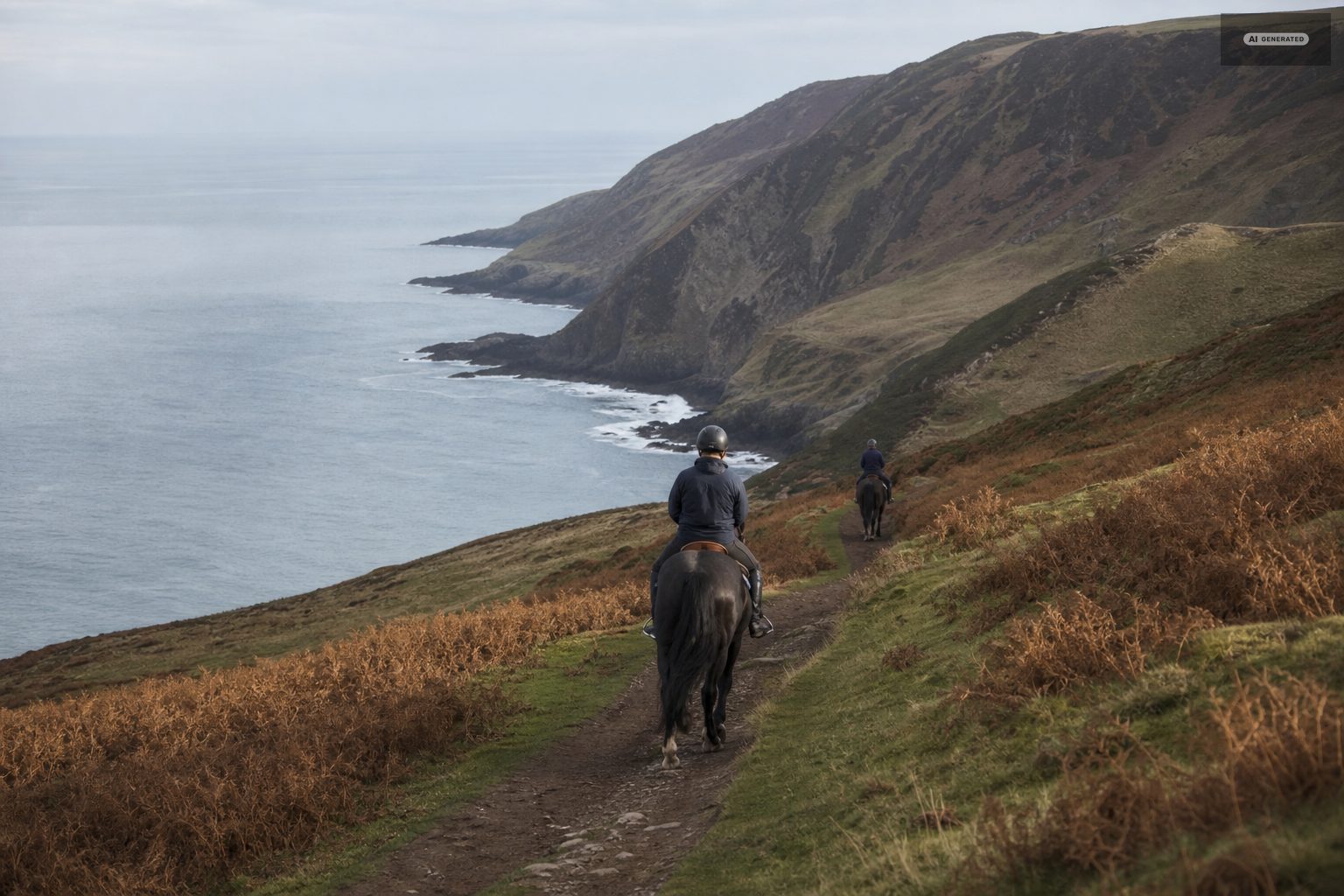
Open moor is a rare privilege and it carries its own rules. Give way to walkers and cyclists on shared tracks, pass wild ponies and deer at a walk rather than a trot, and keep off ground that is obviously wet - Exmoor has peat bogs that will hold a horse. Fords look benign and change with the rain. And tell someone where you are going: signal in the combes is unreliable, and a loose horse is a long walk home.
Weather is the other variable. Mist arrives on the high moor faster than it does at the coast, and it takes landmarks away in minutes; a compass bearing and a known escape route down into a combe are worth carrying even on a clear morning.
Common questions
Where can you go horse riding near Lynton and Lynmouth?
The riding centres are on the moor rather than in the villages - the country around Brendon, Simonsbath, Exford and Porlock has most of them, all within half an hour by road.
Can beginners ride on Exmoor?
Yes. Most centres run led treks of an hour or two that need no experience at all, alongside longer rides for competent riders. Book ahead in summer.
What is an Exmoor pony?
The native moorland breed - small, very hardy, with a mealy muzzle and a pale ring around the eye. Herds graze the open moor semi-wild and stay out through winter.
Can you bring your own horse to Exmoor?
Yes. A number of farms and yards offer visitor stabling with direct bridleway access. Arrive via the A39 from Barnstaple rather than over Porlock or Countisbury hills.