Who came here
Famous visitors to Lynton and Lynmouth
The reputation of this coast was made by people passing through it and writing it down.
Nothing about this coast was famous until people started writing about it. The sequence matters: the poets came first, the readers followed, the hotels went up for the readers, and the place has lived on that ever since.
-
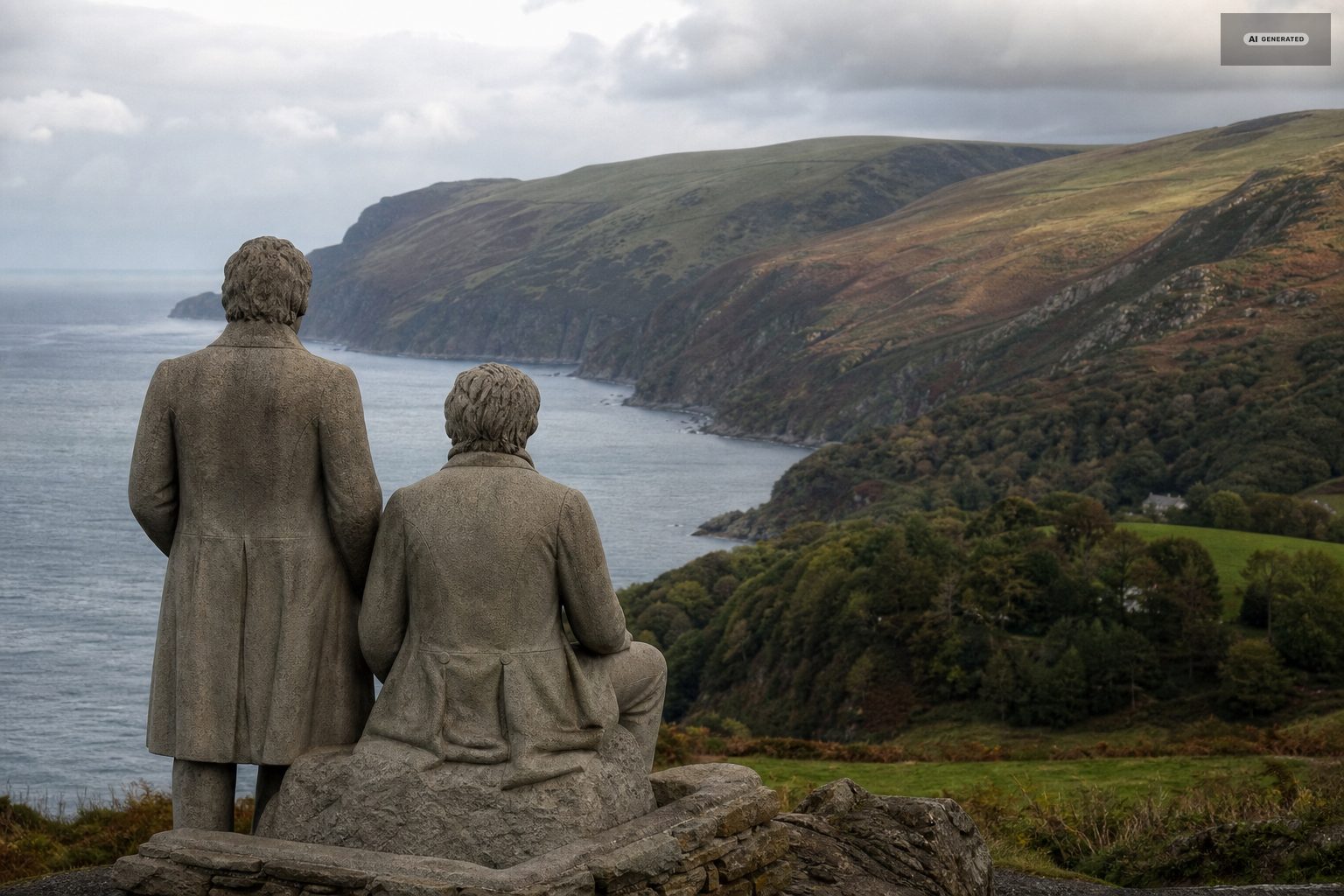
AI-generated image 01
Coleridge and Wordsworth
The two were living in the Quantocks in the late 1790s and walked the Exmoor coast repeatedly, covering distances that seem unlikely until you realise walking was the transport as well as the point. The landscape of that period - the combes, the cliffs, the weather coming in off the Channel - fed directly into the poetry that defined English Romanticism, and the coast between Porlock and Lynton is part of the geography of it.
-
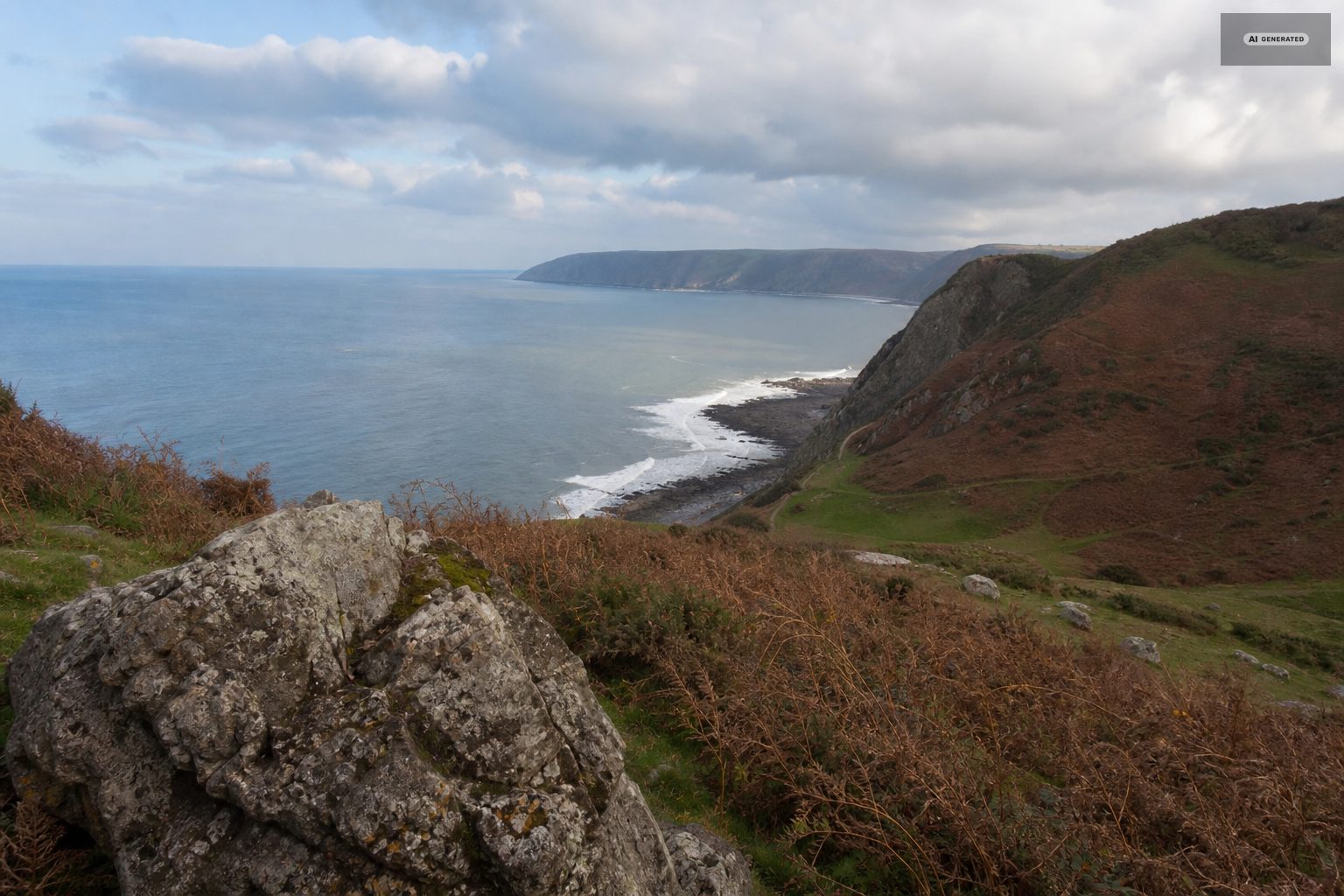
AI-generated image 02
Shelley
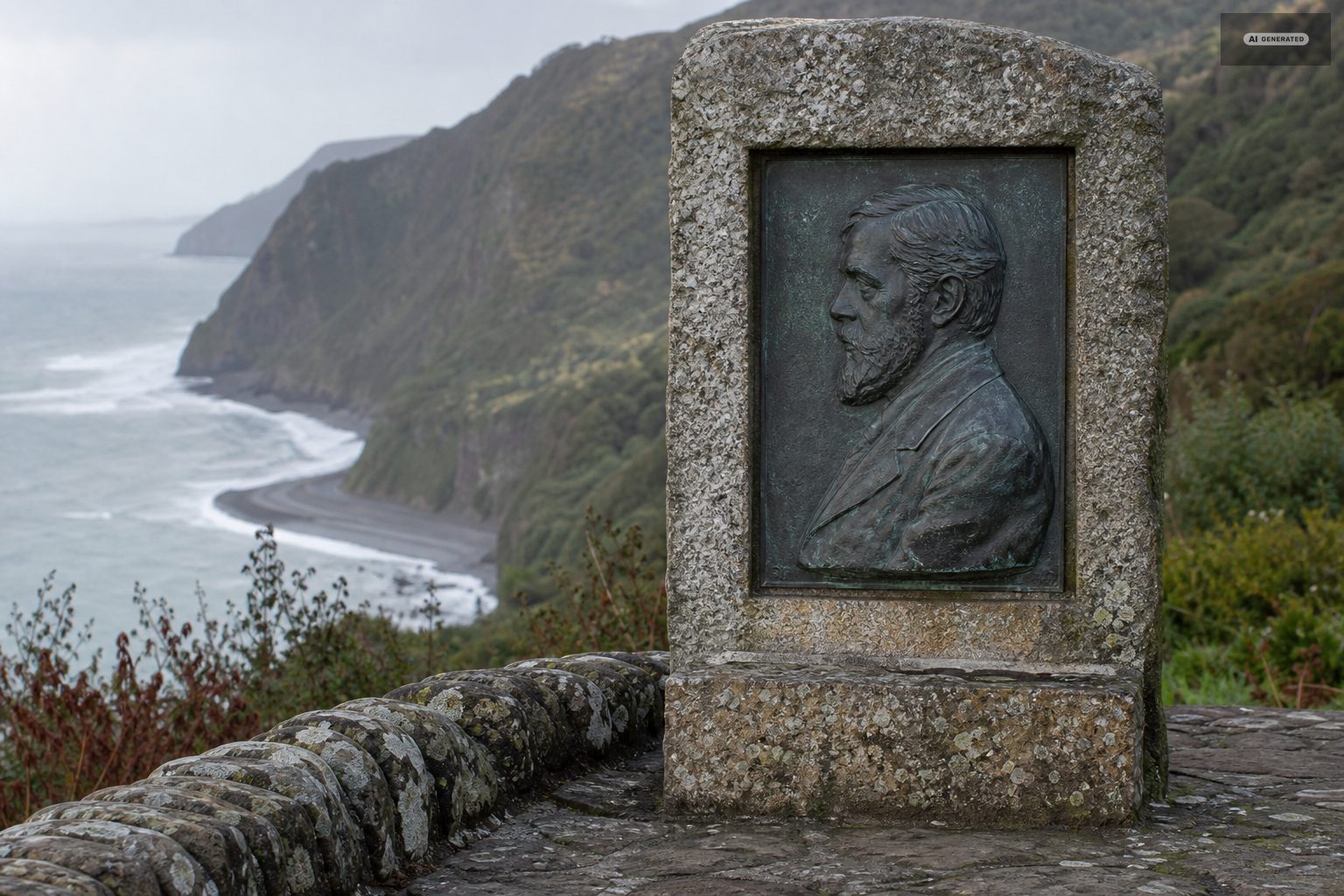
Percy Bysshe Shelley came to Lynmouth in 1812, aged nineteen, with his first wife Harriet, and stayed some weeks. He was writing political pamphlets at the time and distributing them by unconventional means, including sealing them into bottles and launching them into the Bristol Channel. The visit was short and the local memory of it long.
Shelley came in 1812, aged nineteen, and stayed a matter of weeks with his first wife Harriet. The visit ended in the sort of trouble that followed him everywhere - political pamphlets distributed rather too publicly for the time - and he left in a hurry. The cottage he is said to have used is long gone, but the association stuck, and Shelley's name is still attached to a corner of Lynmouth.
-
AI-generated image 03
R. D. Blackmore
Blackmore stayed at the Rising Sun in Lynmouth in 1865, using it as a base to collect the stories and look at the country he was about to turn into Lorna Doone. The novel appeared in 1869, sold slowly and then would not stop, and it fixed Exmoor in the public mind for the next century and a half. The full account is in Lorna Doone country.
-
AI-generated image 04
The Victorians
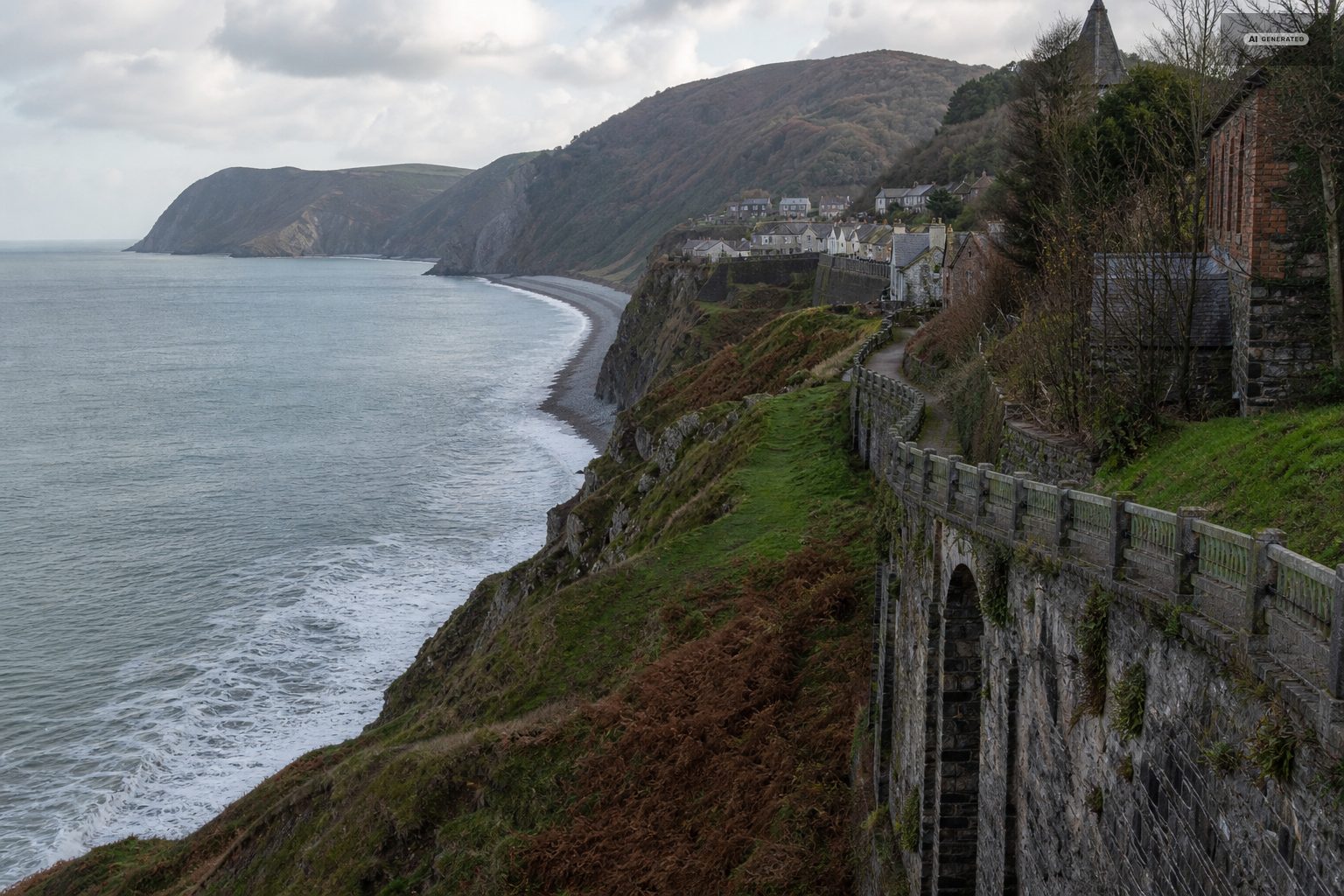
Once the coast was fashionable it drew the ordinary famous of the period - painters looking for the picturesque, clergymen writing topography, and a great many people whose names are now only in hotel registers. The nickname Little Switzerland comes from this period, and so does most of the building stock.
The Victorians made the place. Once the coast road and later the coastal steamers made it reachable, the twin villages became a fashionable stop for people who wanted mountains without leaving England - and the label Little Switzerland, coined in that period, was a marketing line before it was a nickname. The hotels, the villas and eventually the cliff railway all date from that surge.
-
AI-generated image 05
On screen
The coast and the moor have been used repeatedly as a location, and Lynton has had a cinema of its own for a long time - see the cinema. Adaptations of Lorna Doone have returned to the Exmoor combes more than once, and the walking programmes that brought the Watersmeet path to a wider audience have done as much for visitor numbers in recent decades as the poets did in the nineteenth century.
-
AI-generated image 06
Following them
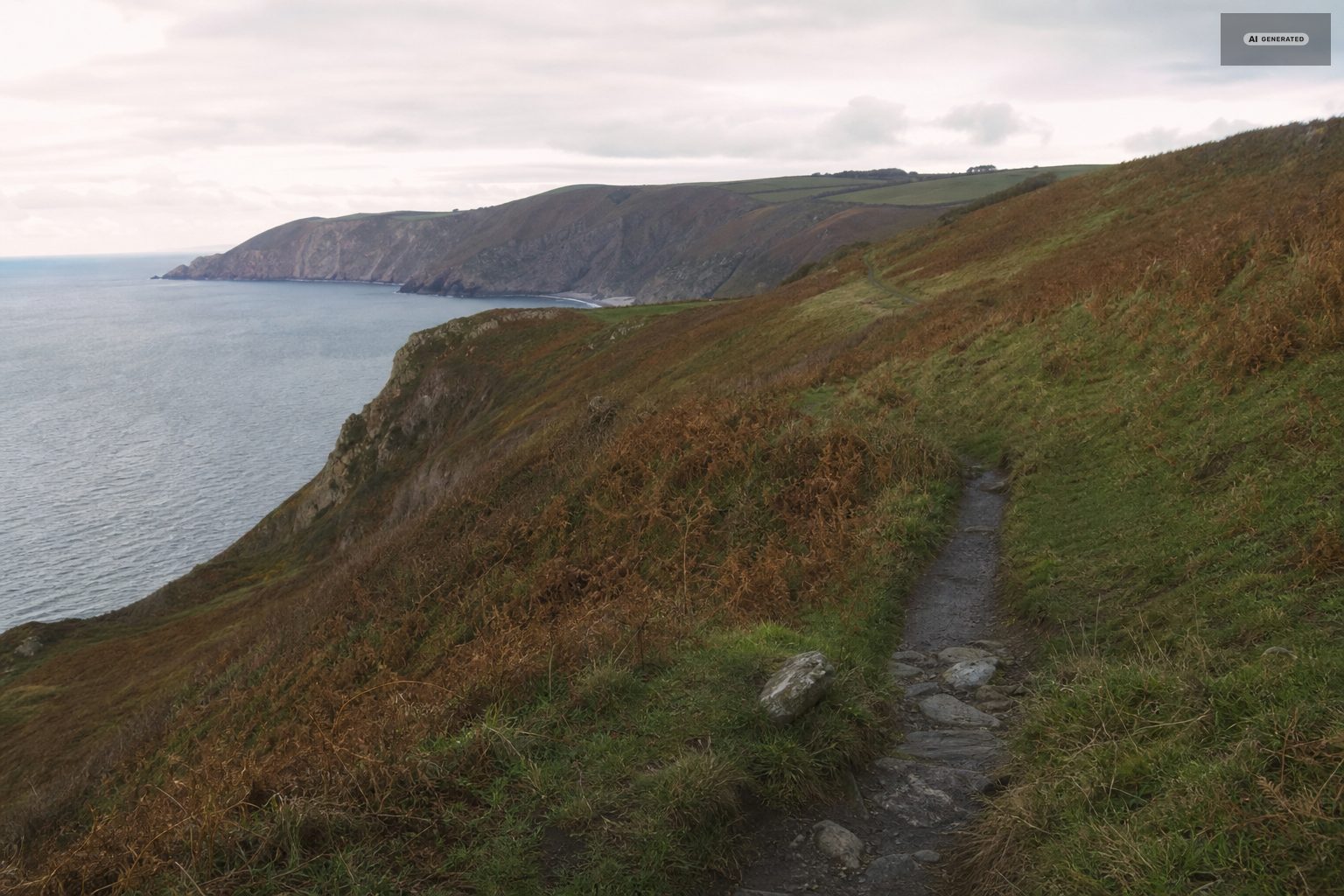
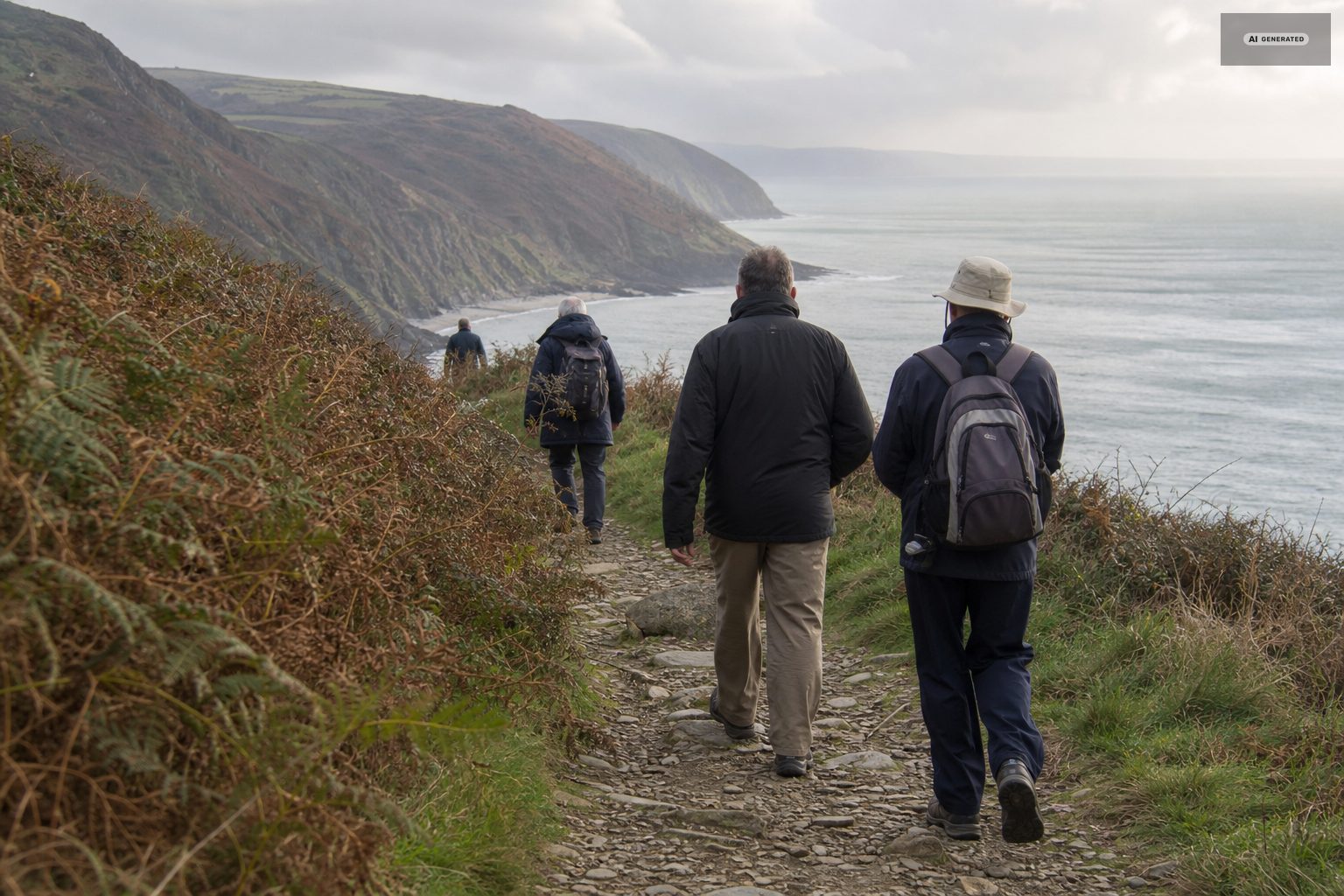
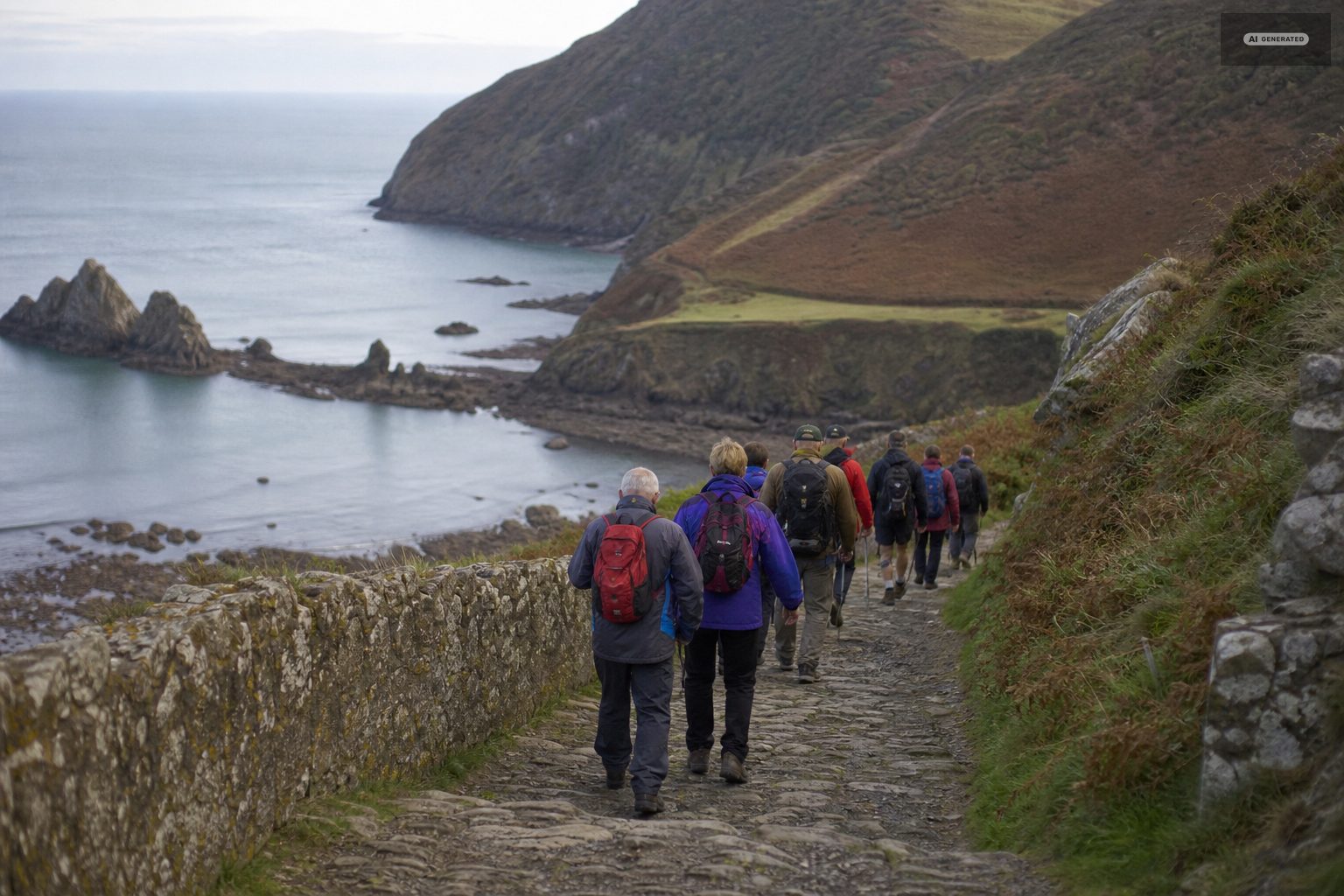
The practical way to do this is on foot. The coast path east over Countisbury is the ground Coleridge and Wordsworth covered; the East Lyn to Watersmeet is where the walking programmes filmed; and Badgworthy Water and Oare church are Blackmore’s country. All three are in the walking guide.
Following any of them is straightforward, because the ground has changed less than the buildings. The coast path east over Countisbury is the route Coleridge and Wordsworth walked; Malmsmead and Oare are Blackmore's; the Lynton clifftop and the North Walk are pure Victorian resort engineering, cut into the cliff for people in unsuitable shoes.
-
AI-generated image 07
Why they all came at once
The concentration is not accidental. Between the 1790s and the 1870s, three things happened together: the Napoleonic Wars closed the Continent and pushed the picturesque tour inland; the Romantic taste made wild coastal scenery fashionable rather than merely dangerous; and the roads improved just enough to make Lynmouth reachable without ruining a carriage. Every visitor on this page arrived inside that window, and the villages were rebuilt around what they wrote.
The reason is unromantic: war. With Europe closed to English travellers through the Napoleonic years, the search for the sublime turned inward, and a coastline with five-hundred-foot cliffs, gorges and waterfalls was the closest thing available to the Alps. By the time Europe reopened, the reputation was made.
Common questions
Which famous writers visited Lynton and Lynmouth?
Coleridge and Wordsworth walked this coast in the late 1790s, Shelley stayed at Lynmouth in 1812, and R. D. Blackmore based himself at the Rising Sun in 1865 while researching Lorna Doone.
Did Shelley live in Lynmouth?
He stayed for some weeks in 1812, aged nineteen, writing and distributing political pamphlets - including, by local account, sealing them into bottles and putting them into the Bristol Channel.
Where did R. D. Blackmore stay in Lynmouth?
At the Rising Sun on the harbour, in 1865, four years before Lorna Doone was published.
Has Lynmouth been used as a film location?
The coast and the moor have been used repeatedly, and adaptations of Lorna Doone have returned to the Exmoor combes more than once.