Rivers and the Channel
Fishing the Lyn rivers and the North Devon coast
A spate river running off Exmoor, a rocky coast with deep water close in, and stillwater fisheries within half an hour inland.
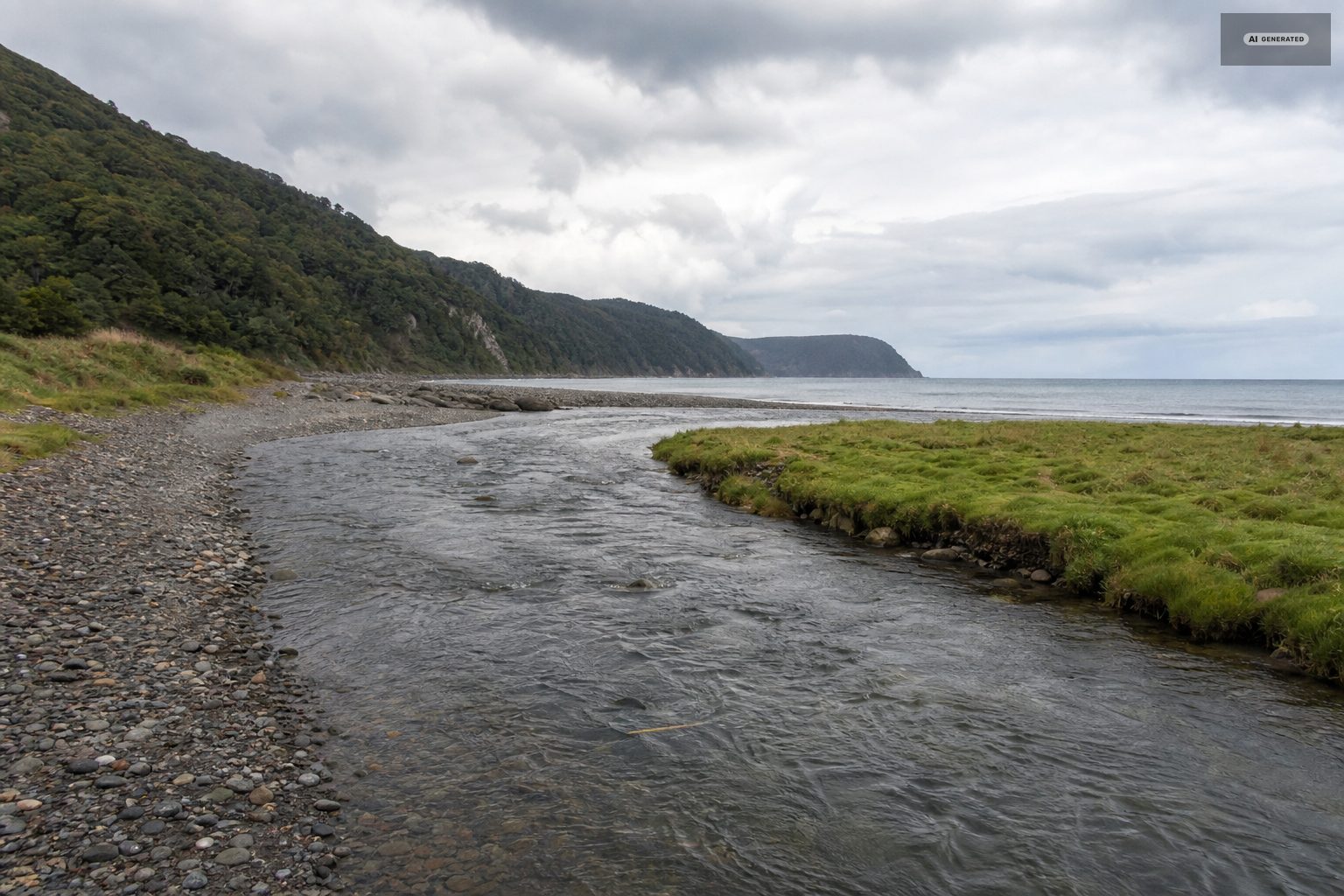
The East Lyn is a classic Exmoor spate river. It runs off high moorland through a steep wooded gorge, it responds to rain within hours, and it drops almost as fast. That behaviour dictates everything about fishing it: the water that is unfishably low on a dry August morning can be perfect by the following evening, and the productive window is usually the falling flood rather than the peak.
-
AI-generated image 01
The rivers
Brown trout are present throughout and are the reliable quarry - small, wild, and hard-won in clear low water. Sea trout run in the summer months and are fished at dusk and after dark by those who know the pools. Salmon run later in the year and are entirely dependent on water levels.
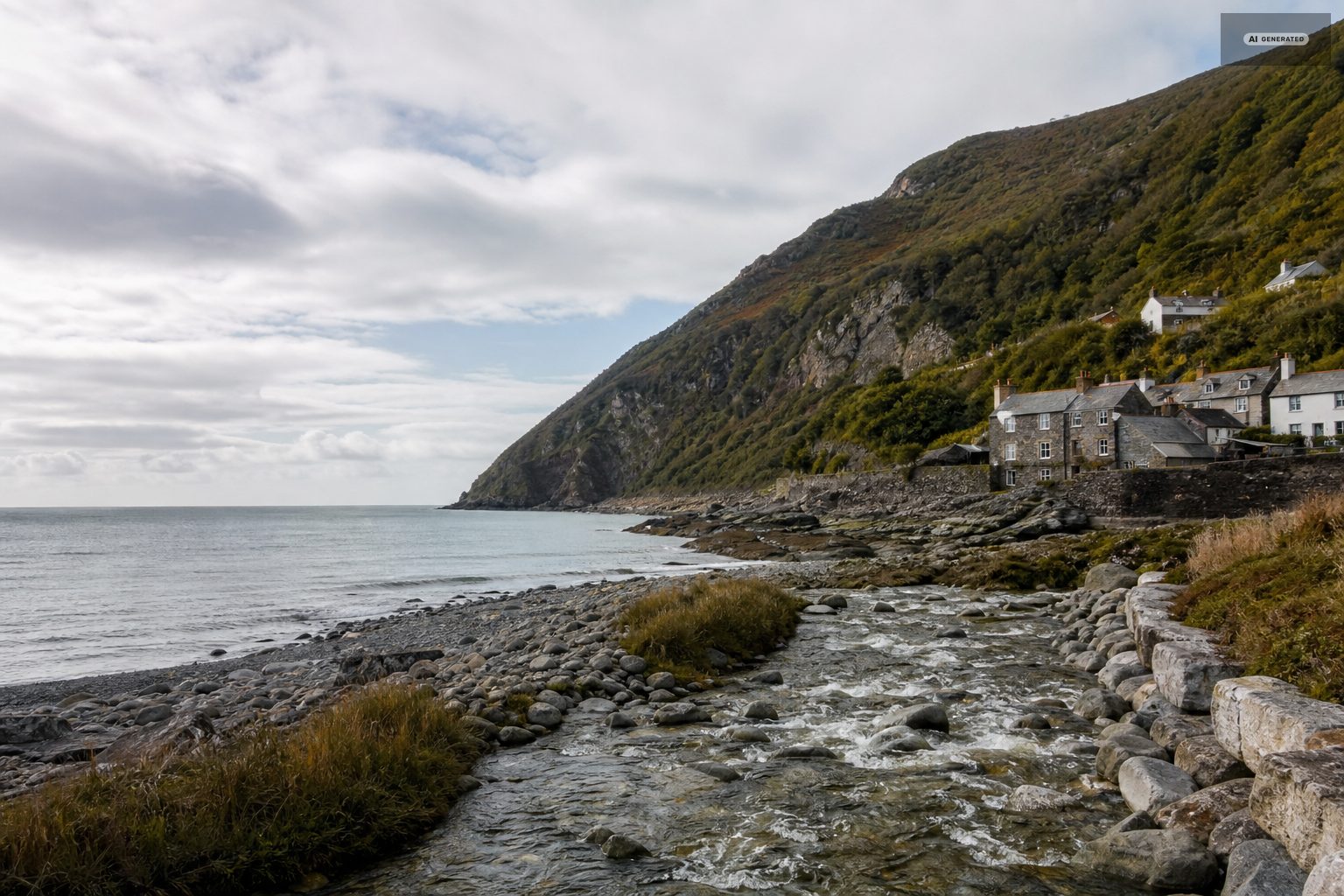
The gorge between Lynmouth and Watersmeet holds a long series of pools between boulders, and the walking path gives access to a good deal of it. Above the confluence the East Lyn opens out towards Rockford and Brendon, where the banks are easier and the wading kinder.
The West Lyn is shorter, steeper and smaller. It carries fish but is difficult water, and it is the river that did the damage in 1952 - a reminder of how quickly these catchments load.
-
AI-generated image 02
Permits and licences
A rod licence is a legal requirement for freshwater fishing in England and is bought separately from any local permit. Beats on the Lyn are controlled by landowners, hotels and local associations, and day tickets are issued in the villages. Arrangements change, so ask locally rather than assuming a stretch is open - some of the best water is hotel water available to residents.
Two things are needed and they are not the same. A rod licence covers the angler and comes from the Environment Agency; a permit or day ticket covers the water and comes from whoever owns or leases it. Neither substitutes for the other, and the close seasons attached to each are set nationally for coarse fish and locally for salmon and sea trout, so the dates worth checking are this year's rather than last.
-
AI-generated image 03
Stillwater and coarse fishing
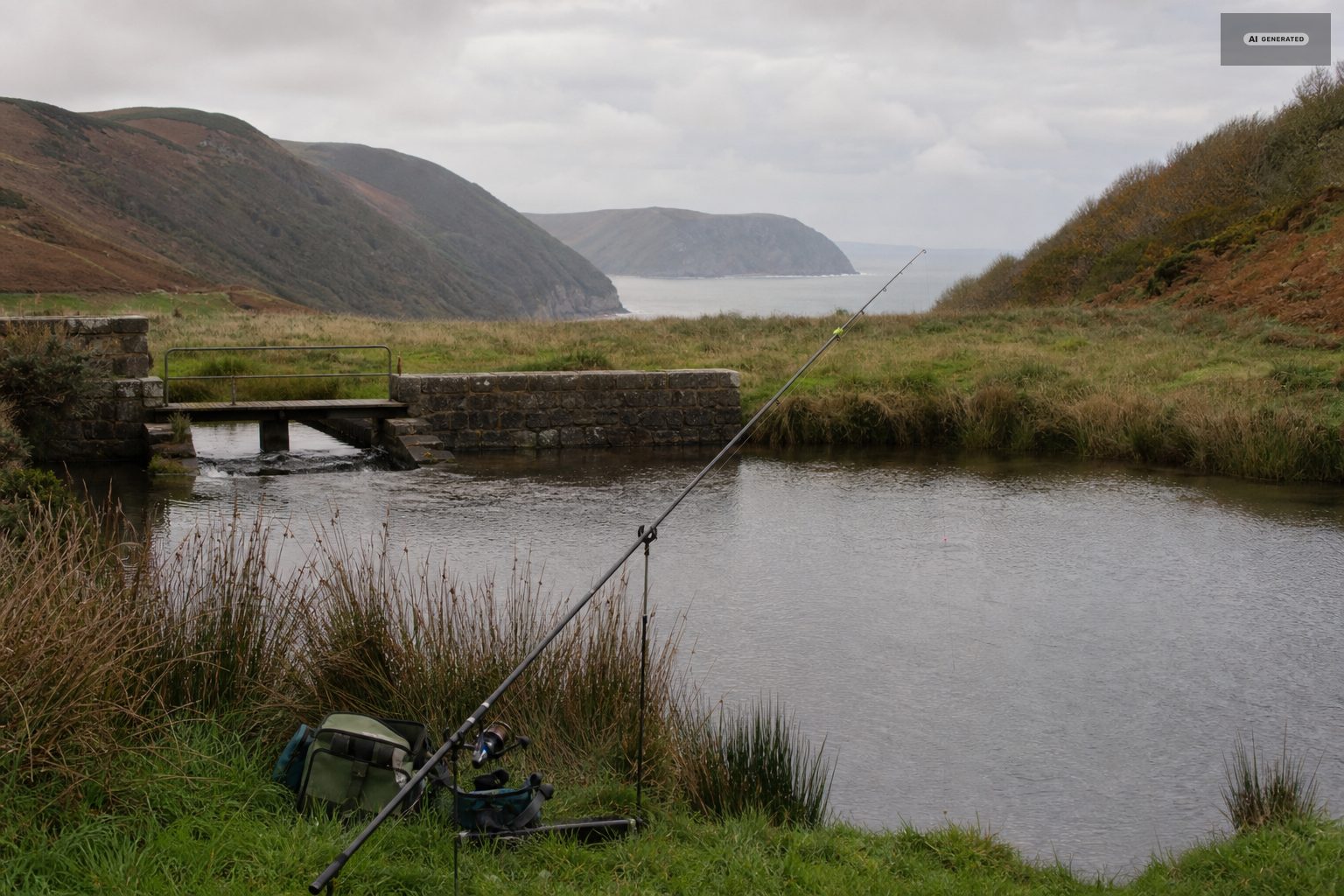
Inland North Devon has a scattering of trout and coarse fisheries within half an hour to an hour by road, several of them well stocked and suitable for a family session. These are the practical option when the rivers are too low or too high, which between them covers a good deal of the summer.
The reservoirs and small fisheries within reach are the dependable option when the rivers are out of order, which on this coast means either bone low or running the colour of tea. They also suit a mixed group better: bank access is level, the water is stocked, and a blank day is much less likely than it is on a small, clear, hard-fished moorland stream.
-
AI-generated image 04
Sea fishing
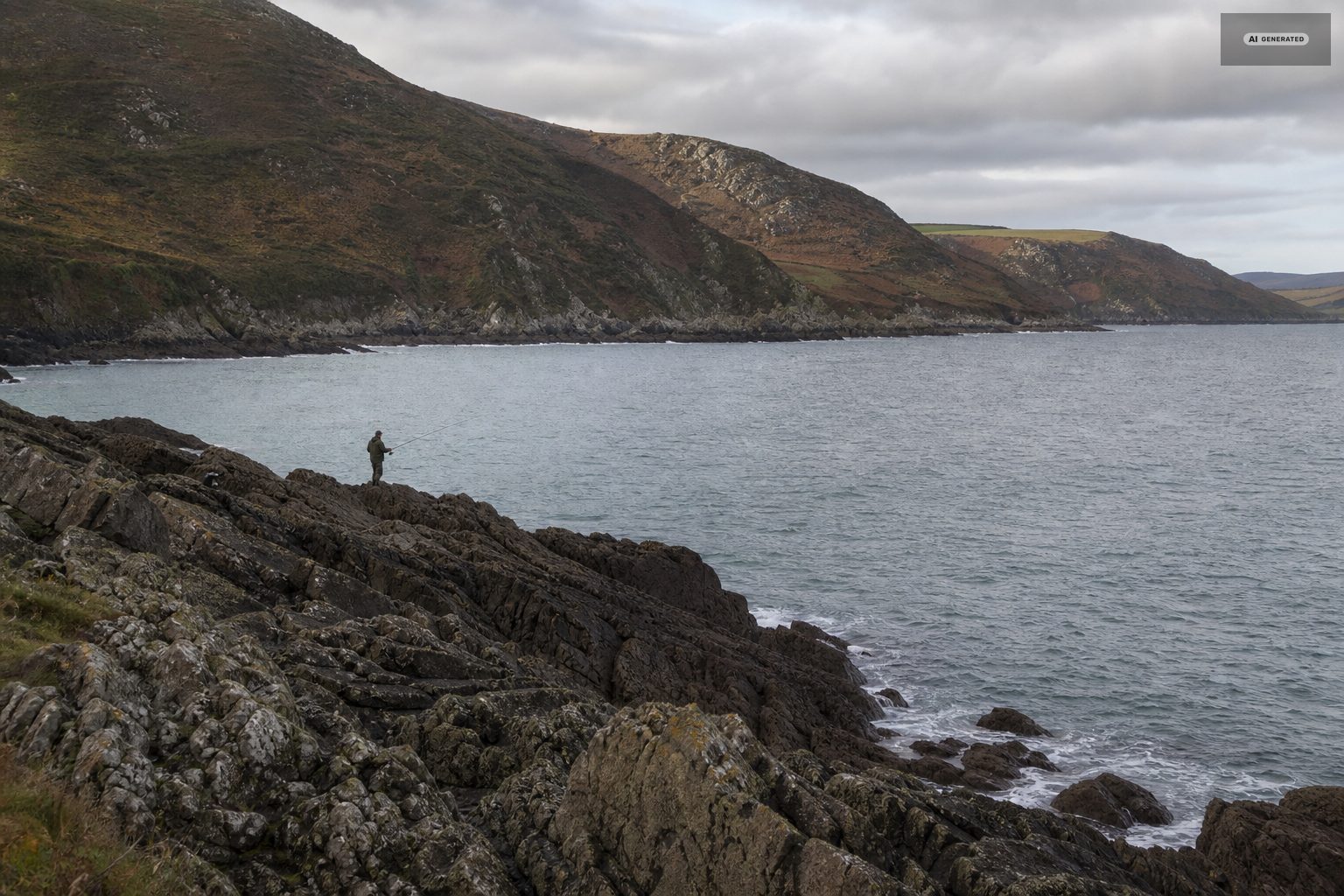
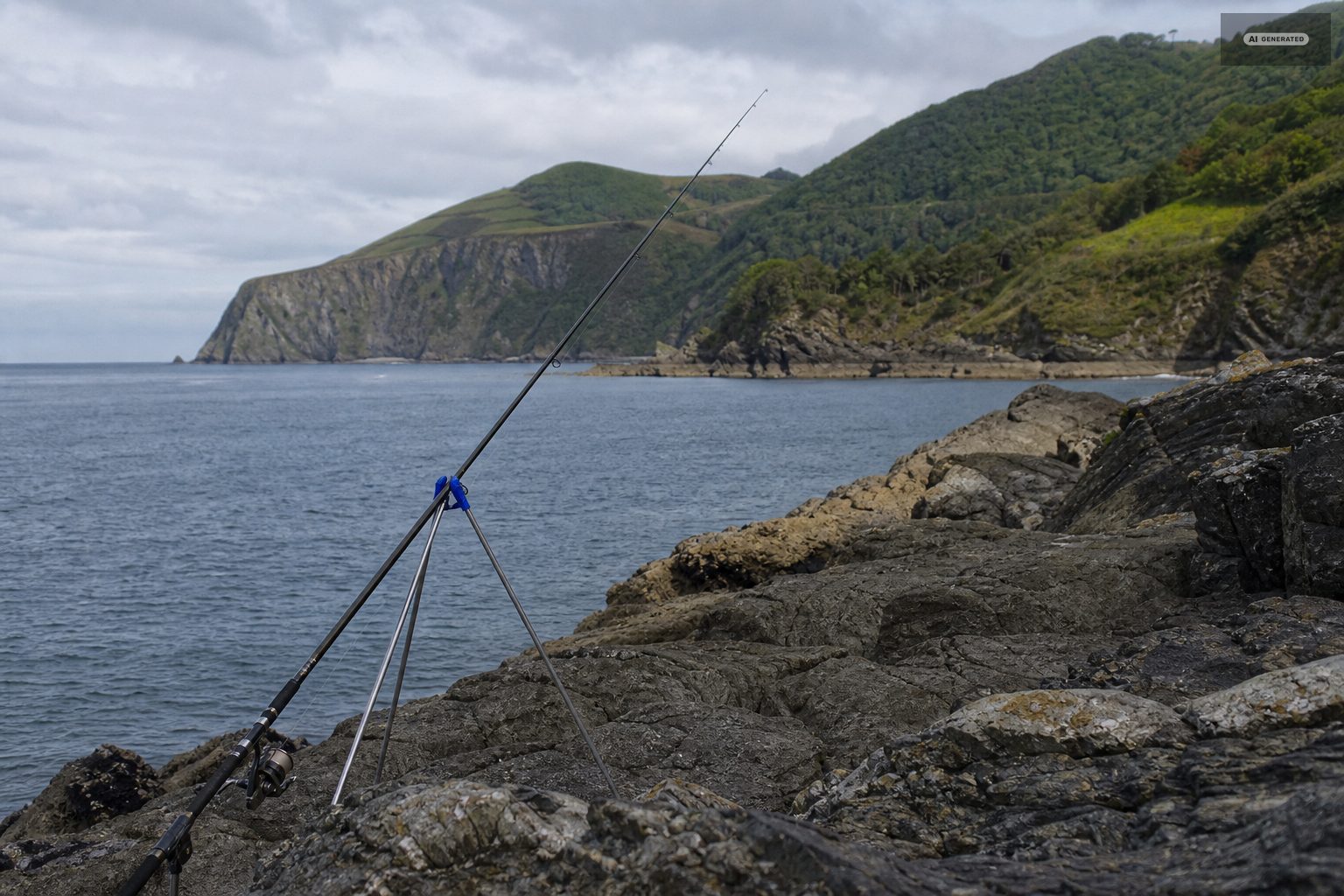
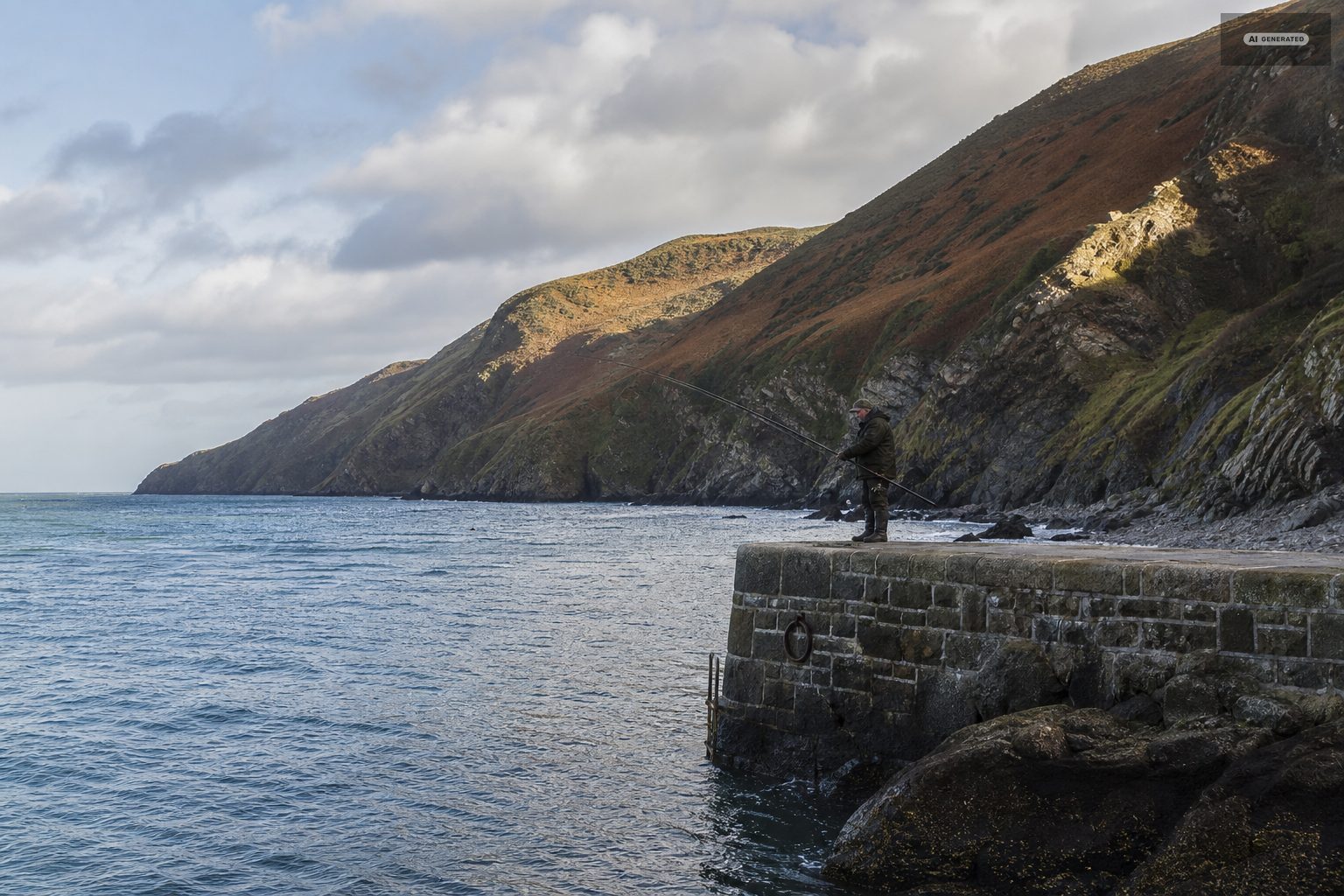
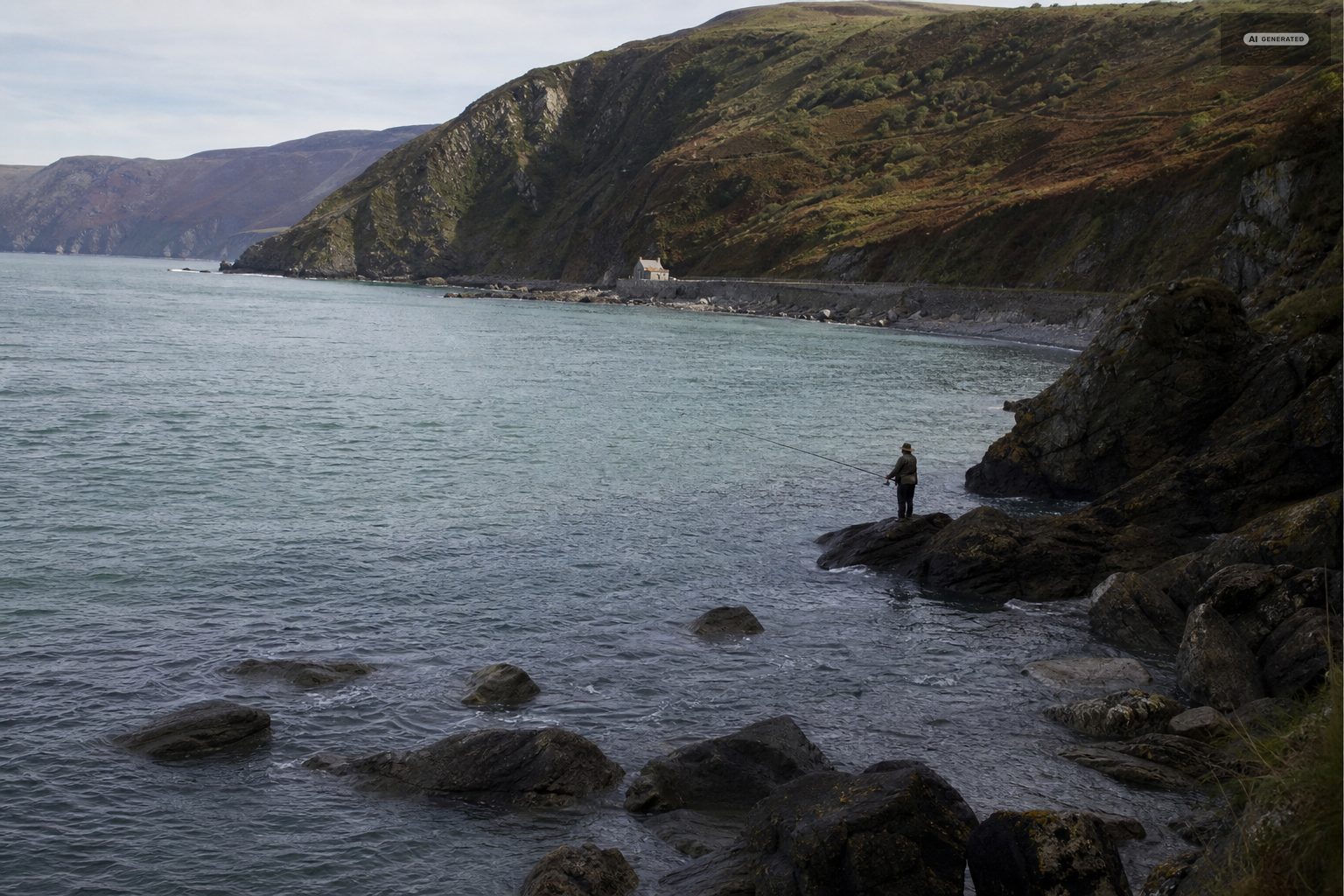
The Bristol Channel here has deep water close inshore and a very large tidal range, which makes for strong runs and short productive windows. Fishing is possible from Lynmouth harbour wall and from rock marks along the coast; both need care with the tide, which comes in faster than most visitors expect. Bass, mackerel in summer, and conger and dogfish after dark are the usual catches. Charter boats operate out of larger harbours along the coast rather than from Lynmouth itself.
The Bristol Channel has one of the largest tidal ranges in the world, and everything about fishing this shore follows from it. The water moves fast on the flood, the ground you walked out over vanishes, and the boulder shore east of the harbour is a bad place to be cut off. Know the state of the tide before you start and pick the way back before you need it.
-
AI-generated image 05
Fishing here well
Travel light: the gorge is steep, the paths are narrow and the pools are close together, so a rucksack rod and a small box beat a full kit. Watch the river gauge and the forecast for the moor rather than for the coast. And treat the East Lyn as a wading river only where you can see the bottom - the boulders are large, the flow is fast, and the water goes from ankle to chest in one step.
Local advice is worth more than any guide written a year ago. Water levels, permits and the state of the runs all change, and a tackle shop or a river keeper will tell you in a sentence what a website will get wrong for a season.
Common questions
Do you need a permit to fish the East Lyn?
Yes - a rod licence for England plus a local permit for the beat. Beats are controlled by landowners, hotels and associations, and day tickets are issued locally. Some of the best water is reserved for hotel residents.
What fish are in the Lyn rivers?
Wild brown trout throughout, sea trout running in summer, and salmon later in the year when there is enough water.
When is the best time to fish the East Lyn?
On a falling flood. It is a spate river: it rises within hours of rain on the moor and drops nearly as fast, so the day after heavy rain usually beats a settled dry spell.
Can you fish from Lynmouth harbour?
Yes, from the harbour wall and from rock marks along the coast. The tidal range in the Bristol Channel is very large and the water comes in quickly, so check the tide before settling in.