Sea and river
Swimming around Lynton and Lynmouth
A big-tide coast with deep water and strong runs, and a river with pools in it. Both reward some caution.
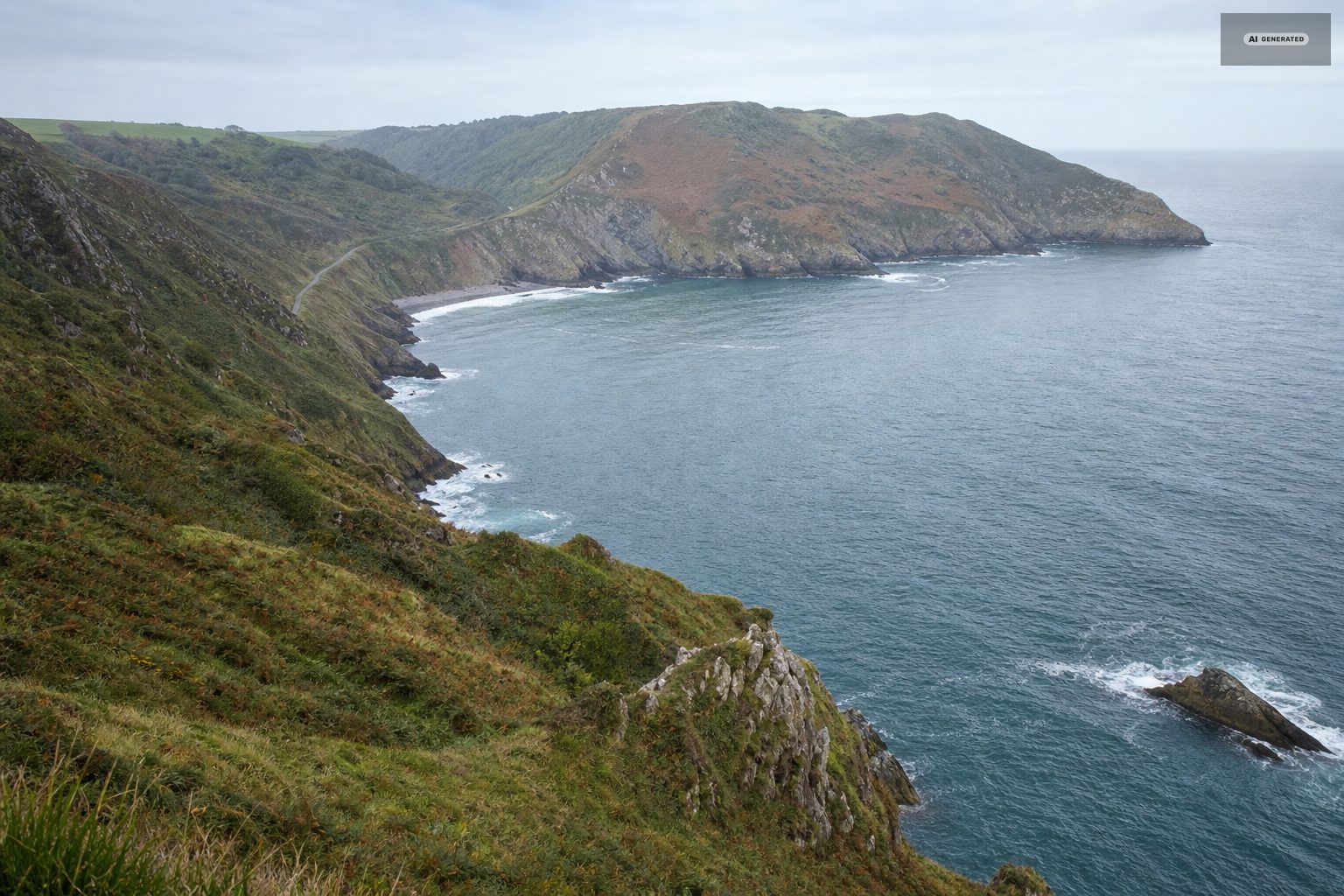
The Bristol Channel has the second-largest tidal range in the world, and everything about swimming here follows from that. The water moves a long way twice a day, it moves fast while it is doing it, and the shoreline it uncovers is rock and boulder rather than sand. This is a coast for a considered dip, not for an afternoon on a towel.
-
AI-generated image 01
Swimming from Lynmouth
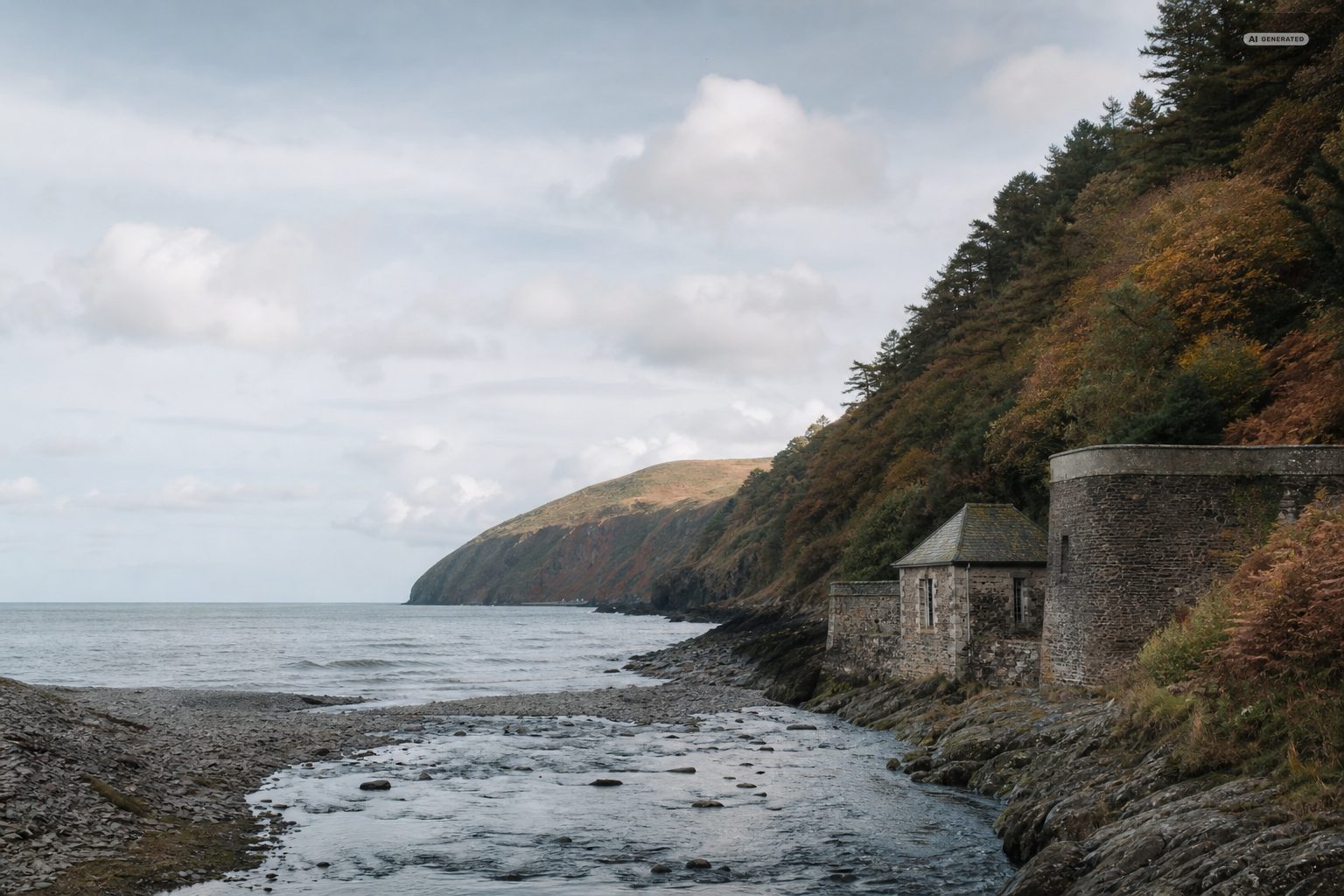
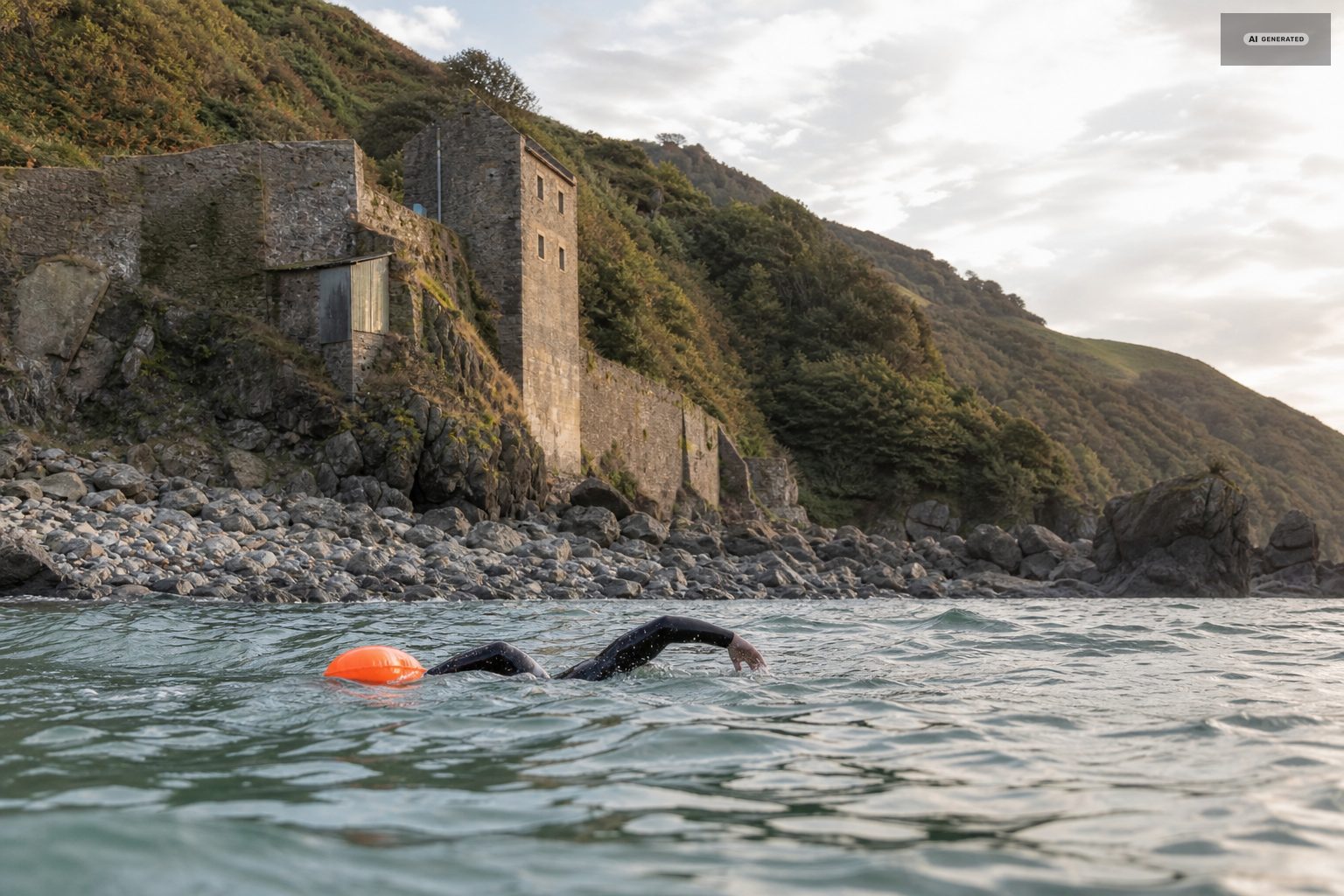
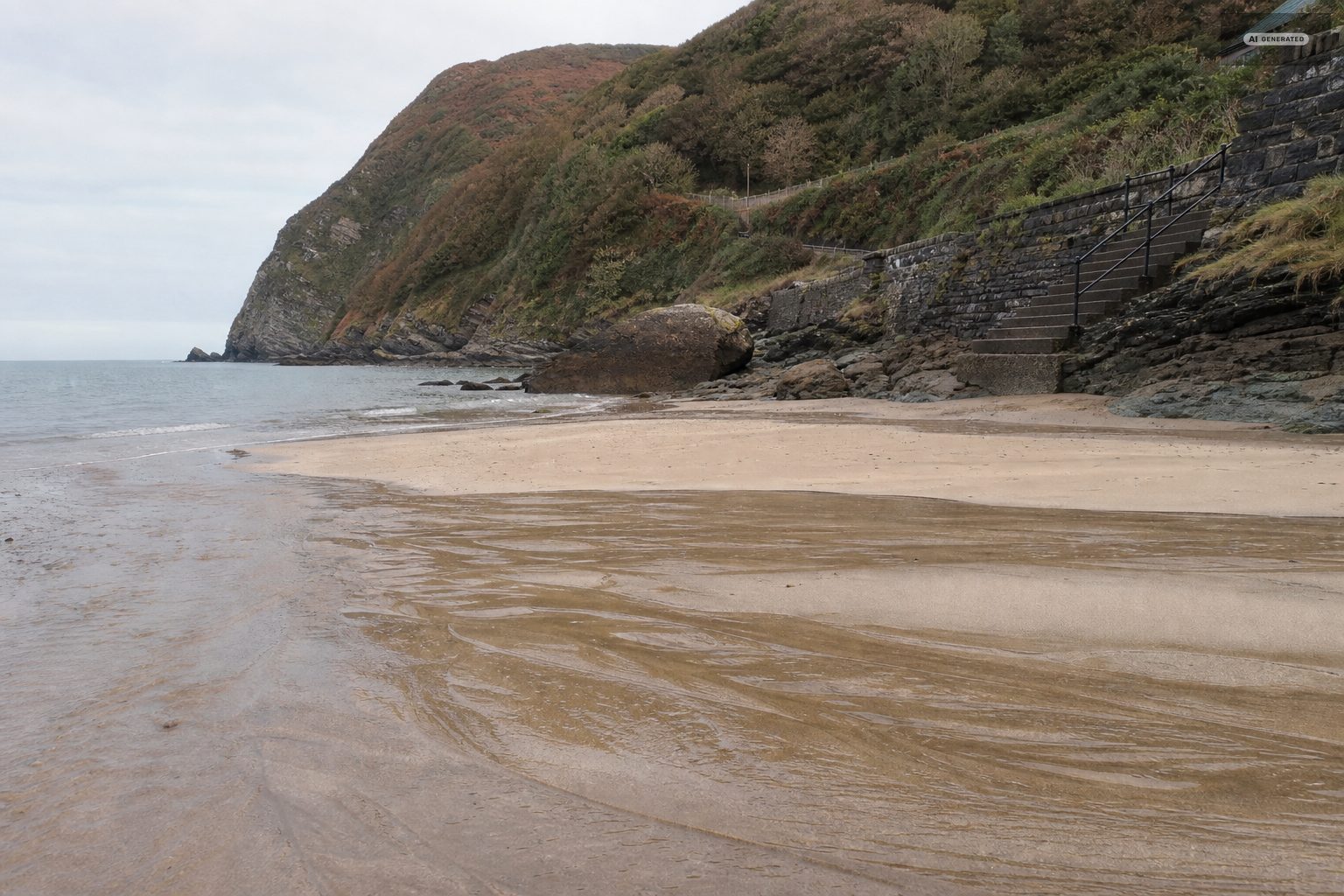
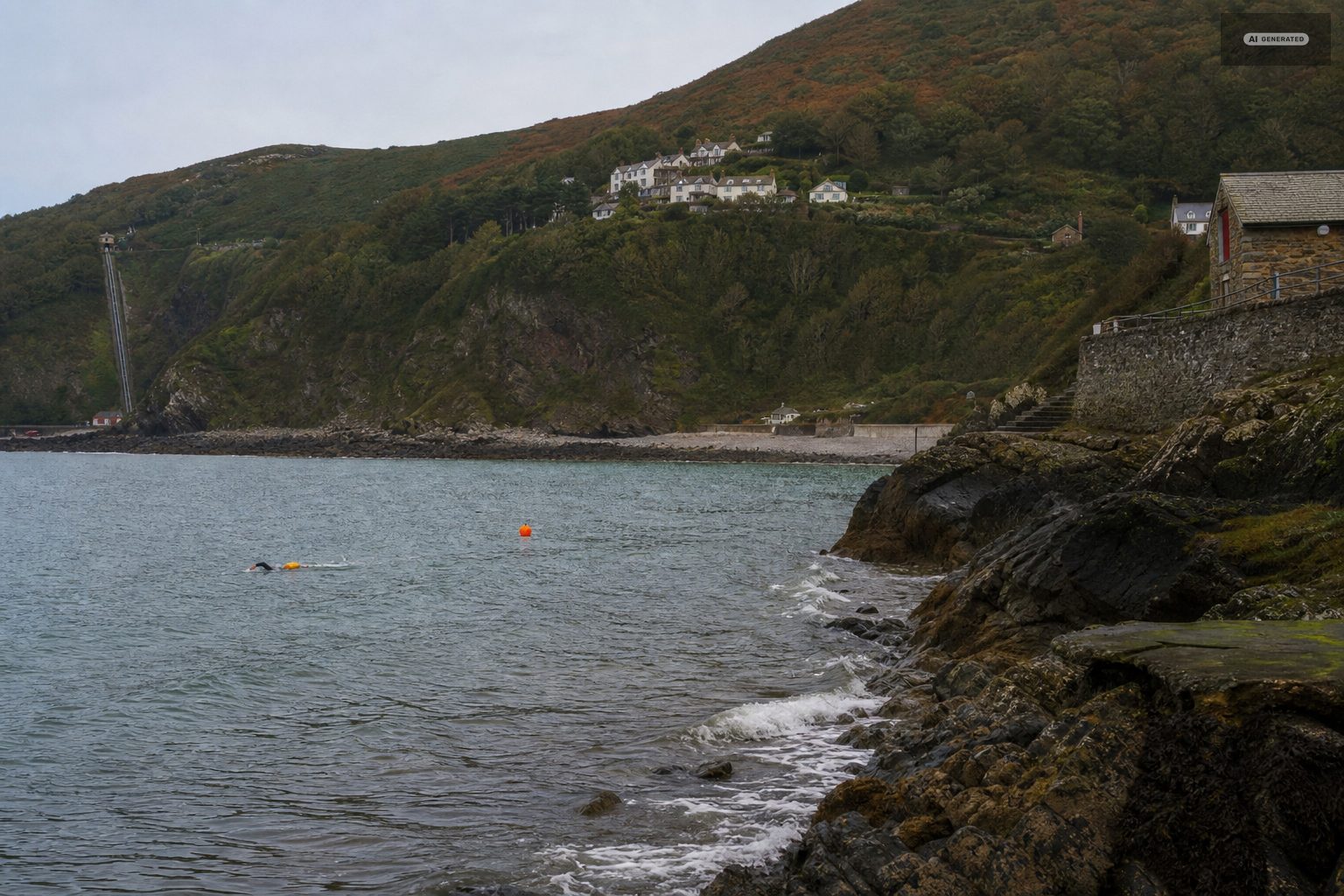
There is water access at the harbour and along the eastern shoreline past the Manor Green. It is shingle and large boulders underfoot, the water gets deep quickly, and the tidal streams run hard on the ebb. Locals swim here; visitors should treat it as open-water swimming rather than a beach - go in with someone, know when the tide turns, and stay well clear of the cliff base where the swell reflects.
The harbour beach is shingle and boulder rather than sand, and the water is deep close in. That makes it a serious swim rather than a paddle, and the tidal range means the entry point at high water is nowhere near the one at low. Anyone swimming here should be swimming with someone else on the shore.
-
AI-generated image 02
River pools
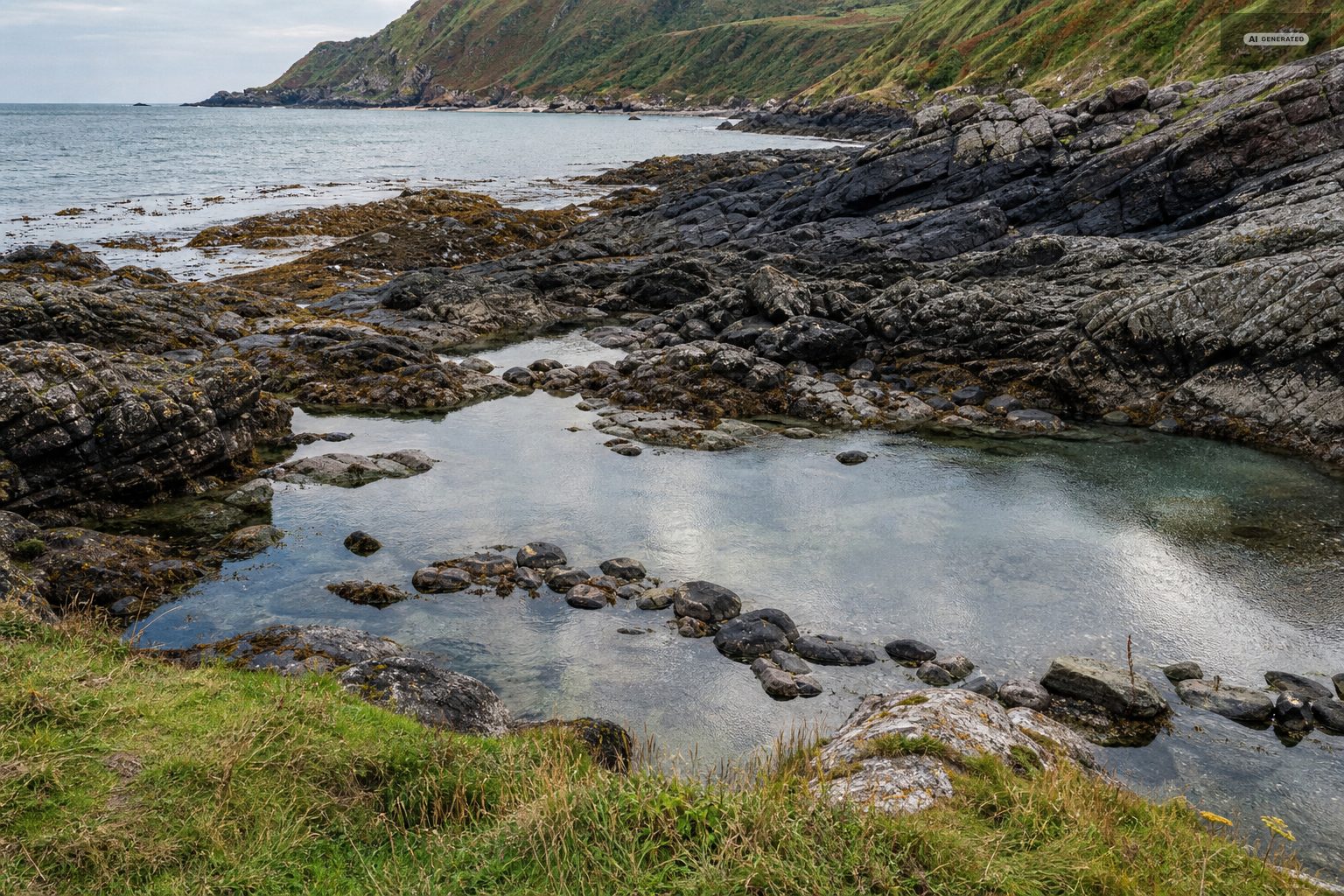
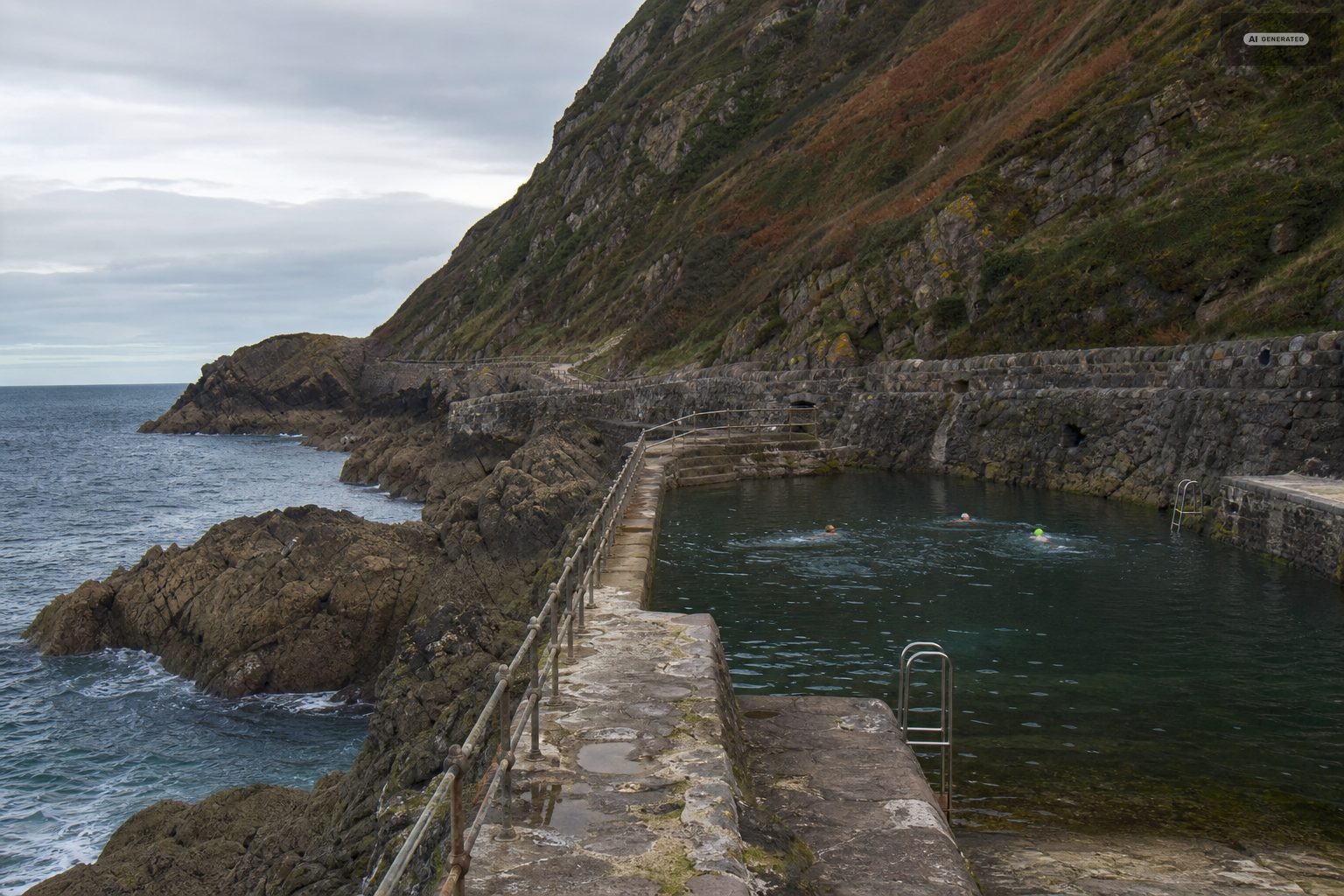
The East Lyn above Lynmouth holds a series of deep pools between boulders, particularly on the stretch towards Watersmeet. In a warm settled spell these are cold, clear and genuinely lovely. They are also a spate river: after rain on the moor the level can rise dramatically within a few hours, and what was a pool becomes a torrent with boulders moving in it. Do not swim the Lyn on a rising river, and look at the moor forecast rather than the one for the coast.
The pools on the East Lyn and at Watersmeet are cold all year - the water comes off the moor and spends most of its journey under tree cover - and they are shallow enough that the entry needs looking at rather than jumping into. After heavy rain they change completely: what was a still pool becomes a chute, and the safest advice is to stay out for a day or two after the river has risen.
-
AI-generated image 03
Where the sand is
If the point of the day is a beach, drive west. Woolacombe runs three miles of sand and is lifeguarded in season; Putsborough at its southern end is quieter; Saunton is enormous at low tide. Barricane, near Woolacombe, is a small shell beach tucked into the rocks and a local favourite. All are between forty minutes and an hour away by road - see surfing for the same beaches from the other angle.
For a beach day in the ordinary sense the answer is to drive west. The sand starts around the north Devon surf coast and improves the further you go, and the same drive that takes you to the surf takes you to the flat sand and the rock pools.
-
AI-generated image 04
Temperature and season
Sea temperature here peaks in late August and September rather than in July, and a summer swim is comfortable in a swimsuit for most people if it is brief. Outside that window a wetsuit turns a two-minute swim into a half-hour one. The rivers stay cold all year - they come off the moor, they run in shade, and they do not warm up.
Sea temperature here lags the air by about two months, which is why September often swims better than June. A shortie suit extends the season at both ends, and for the river pools a suit is less about warmth than about the few minutes it buys you if the cold takes your breath.
-
AI-generated image 05
Safety, briefly
Check the tide table before going anywhere near the water on this coast; the incoming tide crosses the flats quickly and cuts off the base of the cliffs. There are no lifeguards on the Lynmouth shoreline. Getting out matters more than getting in - pick your exit before you swim, because the boulders are slippery and the swell lifts and drops you against them. And after heavy rain the rivers carry debris into the sea, which is another reason to give it a day.
Three habits cover most of it: check the tide before you go in, never swim alone off the boulder shore, and give the river two days after hill rain. None of it is dramatic, and all of it is the difference between a good swim and an incident.
Common questions
Can you swim at Lynmouth?
Yes, from the harbour and the eastern shoreline, but it is open-water swimming rather than a beach. The bottom is boulder and shingle, the water deepens fast, and the tidal streams are strong. There are no lifeguards.
Can you swim in the East Lyn river?
There are deep pools on the stretch towards Watersmeet that are lovely in a settled dry spell. Never swim it on a rising river - it is a spate river and can rise sharply within hours of rain on the moor.
Where is the nearest sandy beach to Lynton?
Woolacombe, Putsborough and Saunton on the west-facing coast, between forty minutes and an hour by road. Woolacombe is lifeguarded in season.
When is the sea warmest in North Devon?
Late August and September, after the summer has had time to work on it. July is usually cooler than people expect.