The Atlantic coast
Surfing from Lynton and Lynmouth: the beaches, and the drive to reach them
There is no surf at Lynmouth. There is world-class surf forty minutes away, which is a different and more useful fact.
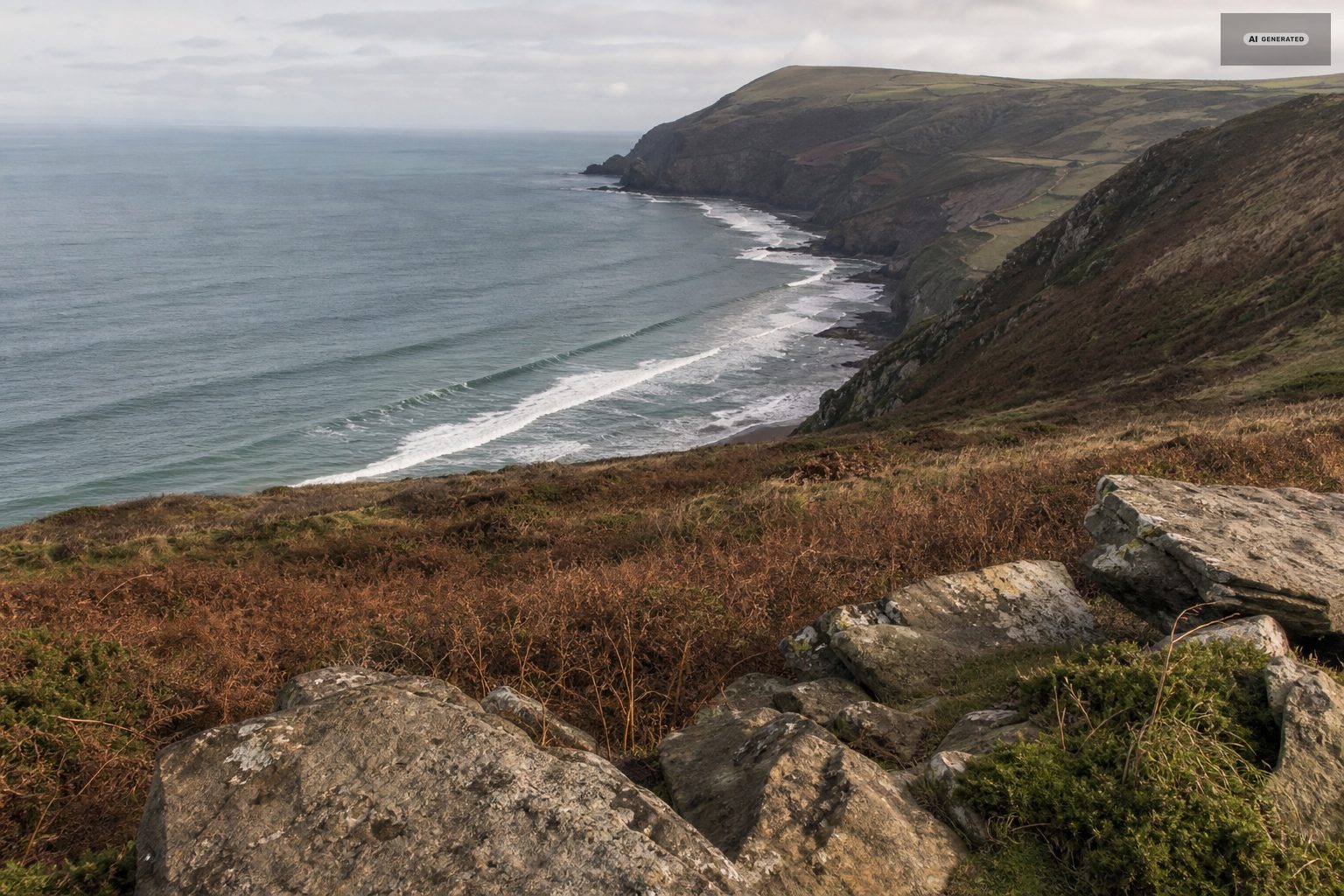
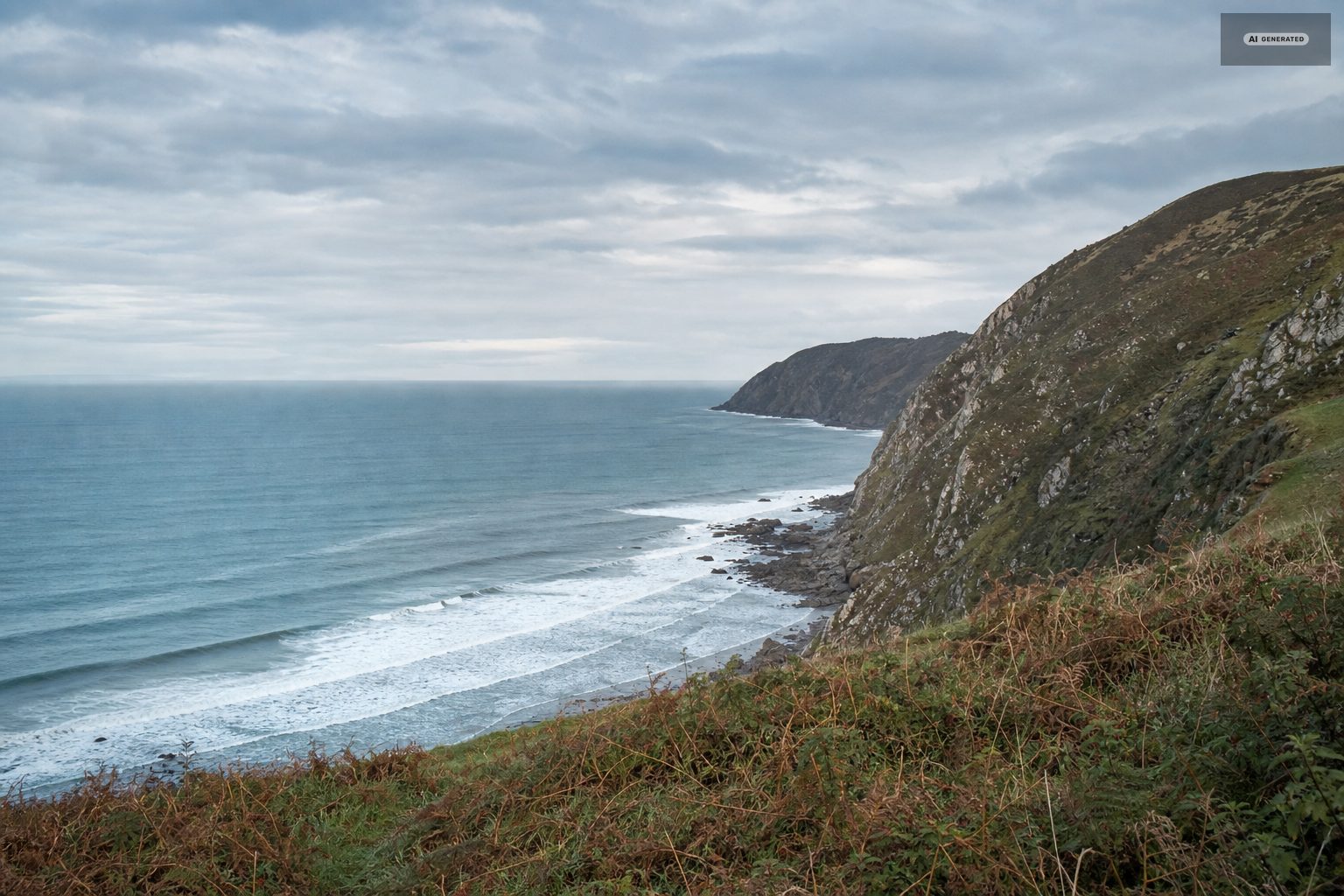
Lynton and Lynmouth face north into the Bristol Channel, and the Channel does not produce surf worth carrying a board for. The swell window is almost entirely closed by the Welsh coast, the tidal range is among the largest in the world, and the shoreline is boulder and rock rather than beach. Anyone staying here to surf drives west.
-
AI-generated image 01
The beaches
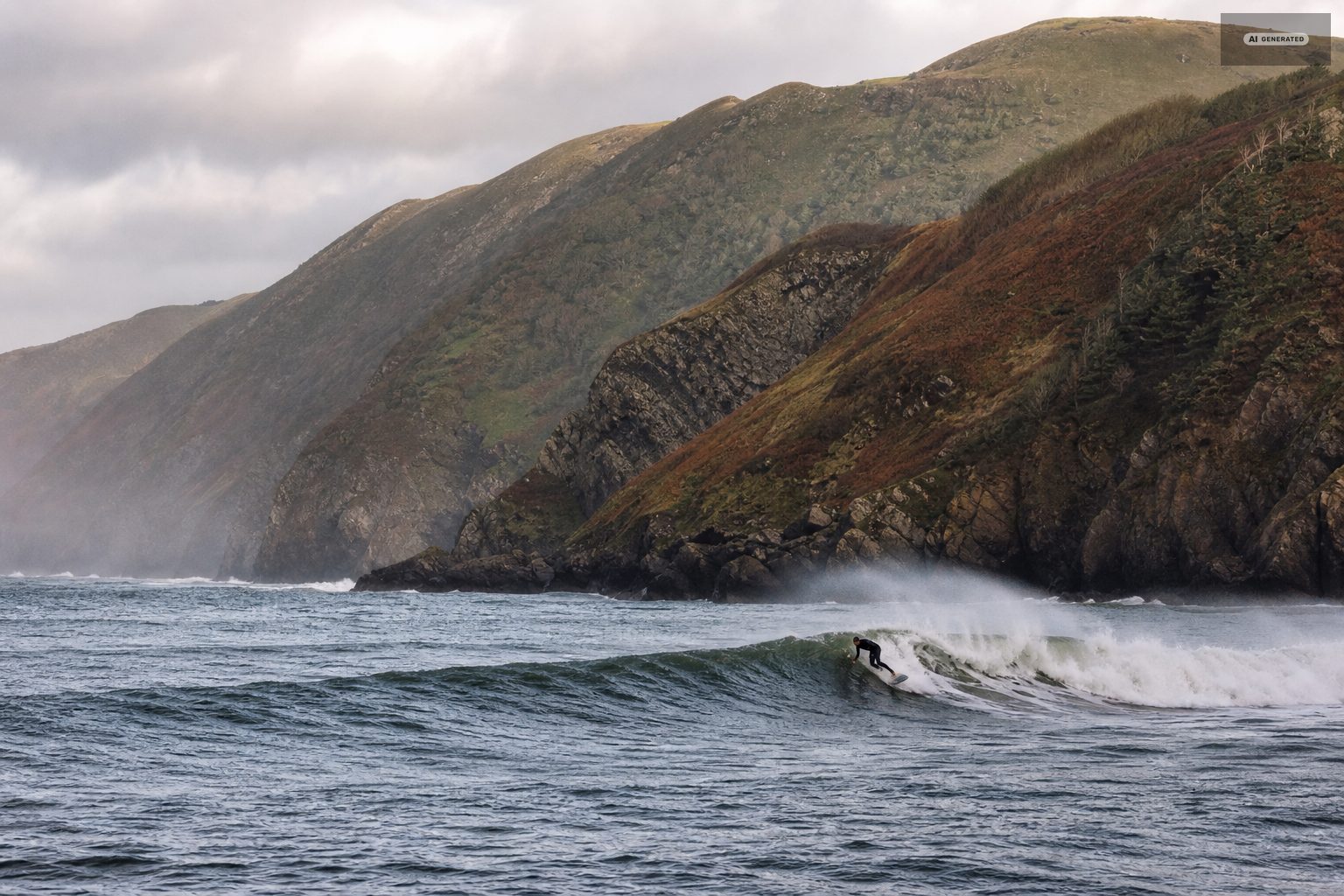
Croyde
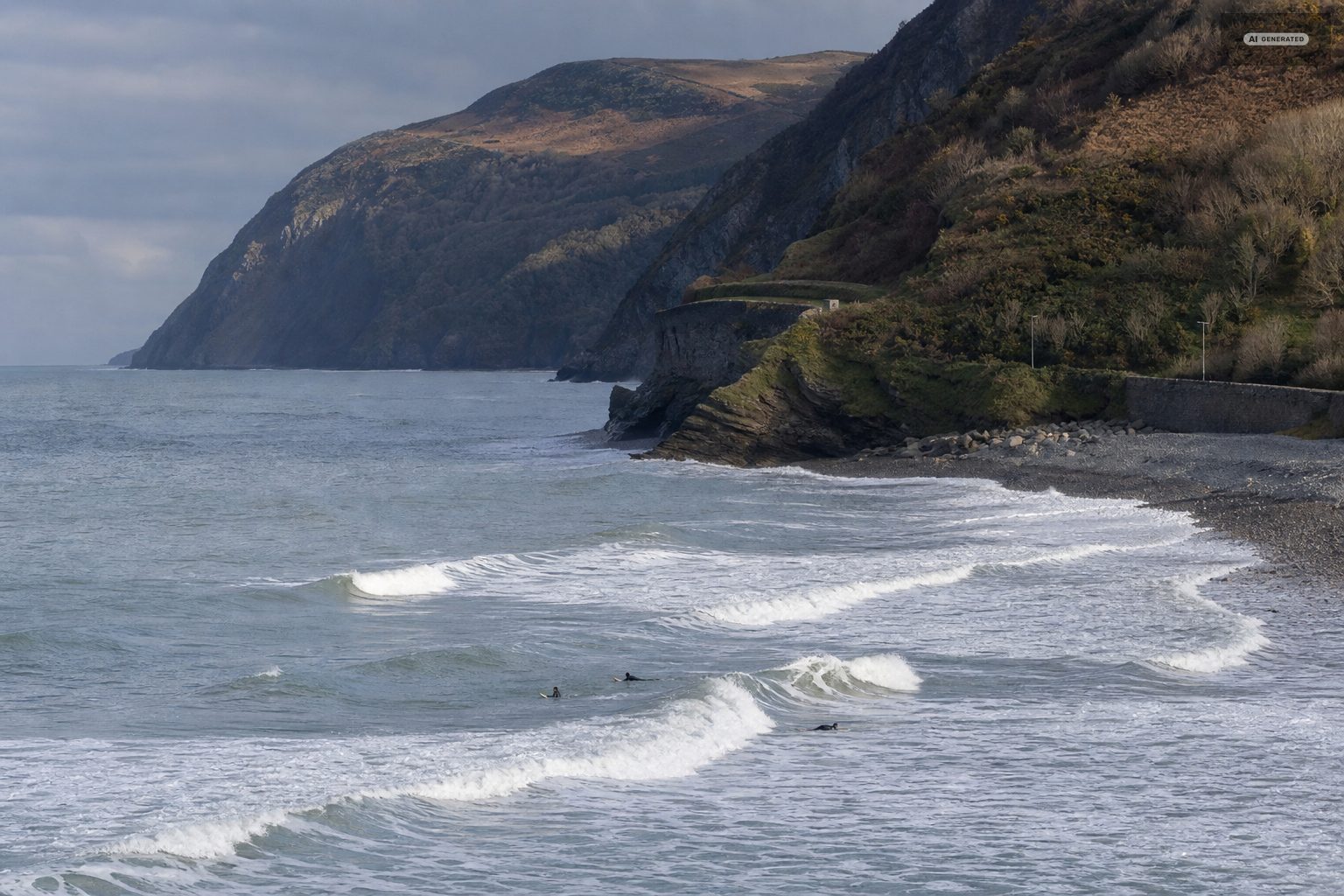
The best-known and the most consistent hollow beach break in the region. It picks up more swell than its neighbours and it gets crowded on any good day in summer. Powerful at low tide over a shallow bank, and not a beginner's wave when it is working properly. About fifty minutes by road.
Putsborough and Woolacombe
Two ends of the same three-mile beach. Putsborough, at the southern end, is more sheltered and holds shape in bigger conditions; Woolacombe at the northern end is more exposed and better on small days. Both have space, which is the point on a busy weekend.
Saunton Sands
A long, mellow, forgiving wave over sand, and the standard beginner and longboard beach in North Devon. It is the right first stop for anyone learning, and the drive is the shortest of the four.
None of the surf is at Lynmouth. The Bristol Channel narrows and shallows east of Foreland Point and the swell dies with it, so the working beaches are all west along the coast, between forty minutes and an hour and a quarter by road. That drive is part of the day, and in August it is the part that decides whether you get a parking space.
-
AI-generated image 02
Getting there
All four are reached via the A39 west from Barnstaple or the Blackmoor Gate road. Allow forty minutes to Saunton and closer to an hour for Croyde in summer traffic, and rather more on a bank holiday. Parking at all four is paid and fills early on a good forecast.
Everything is a drive. Woolacombe, Croyde and Saunton are the closest of the reliable beaches and sit between forty minutes and an hour and a quarter away by road, over the moor or along the coast; Westward Ho! and the estuary breaks are further again. In July and August the last twenty minutes of any of those drives is the slow part, and the car parks fill by mid-morning.
-
AI-generated image 03
Conditions and seasons
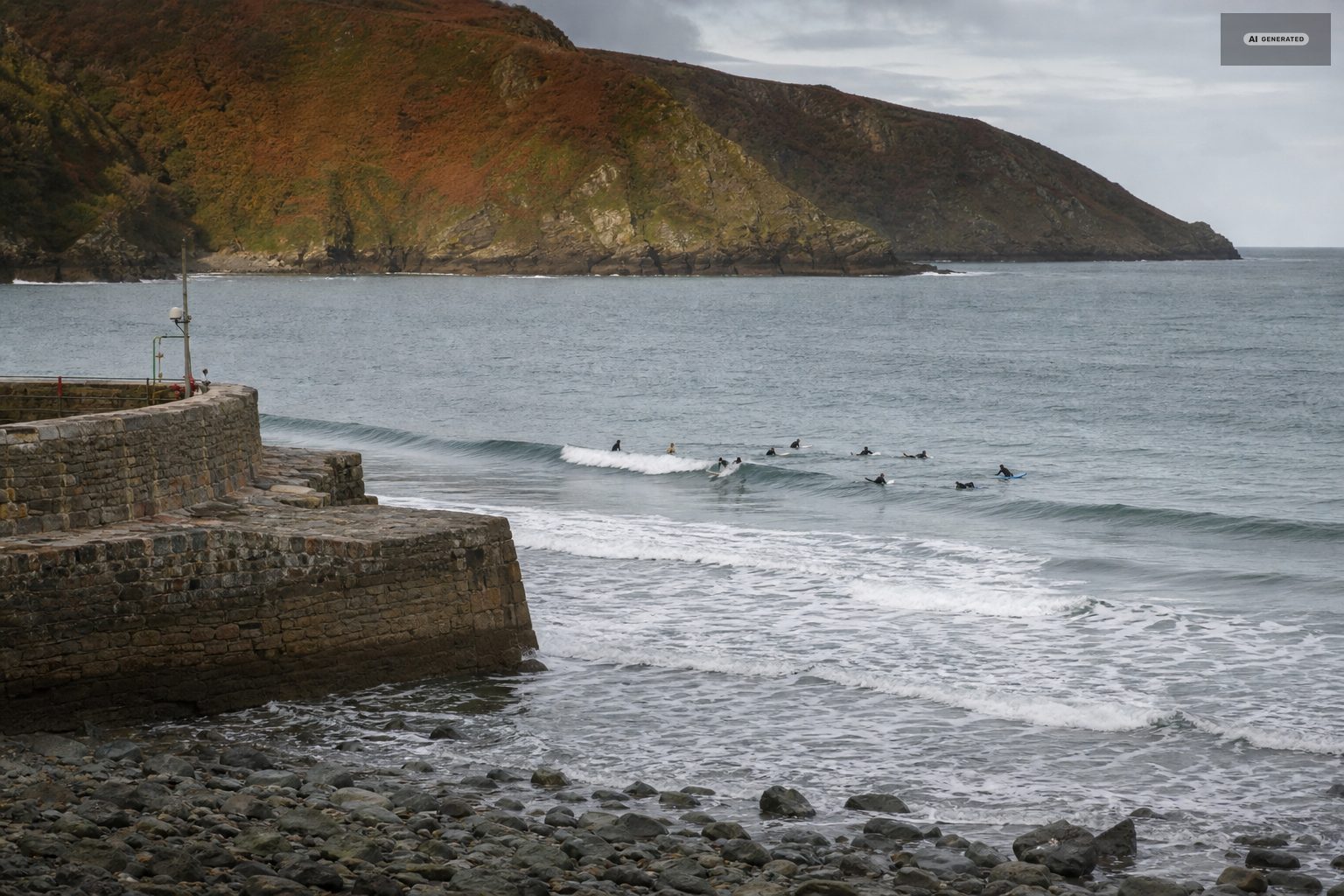
Autumn is the best season here: Atlantic groundswell arrives regularly, the water is at its warmest after the summer, and the beaches empty of holiday crowds. Winter brings the biggest and cleanest swell and water cold enough for a 5/4 wetsuit, boots and hood. Summer is inconsistent and often flat, which is why the surf schools operate all through it - a small day is a good teaching day.
Tide matters more here than in many places. The range is enormous, banks change through the tide, and a beach that works at mid-tide can be unrideable two hours later. Check a tide table alongside the forecast, not instead of it.
Autumn and winter carry the size, spring and summer carry the crowds and the warmer water, and the tide state matters as much as the swell on beaches that dry out for hundreds of metres. A break that works on the push can be flat and closed out three hours later on the same forecast.
-
AI-generated image 04
Lessons and hire
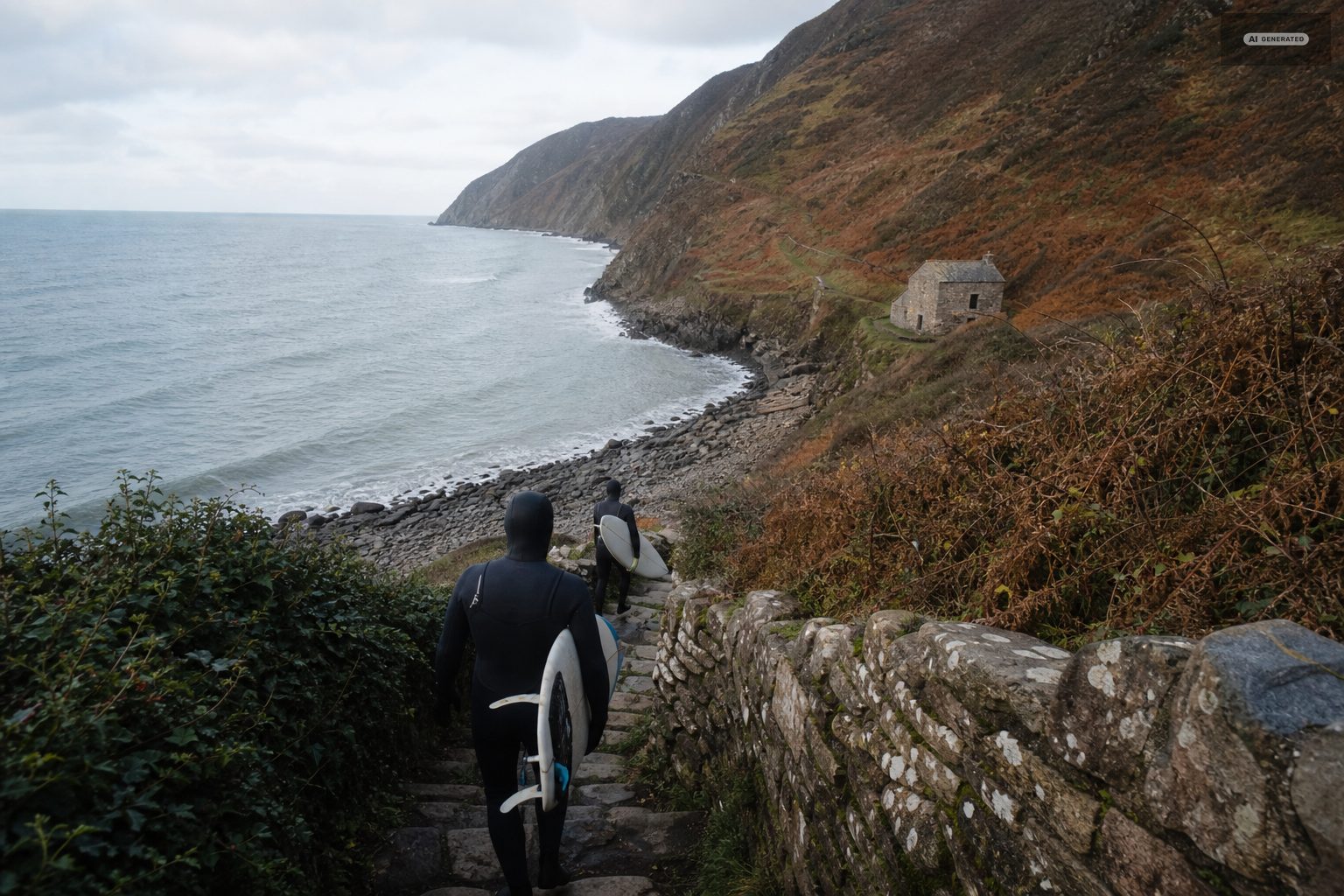
All four beaches have surf schools running lessons from beginner group sessions to coaching for improvers, with boards and wetsuits included. Hire without a lesson is straightforward at Saunton and Woolacombe. Book ahead in July and August.
Every one of the main beaches has at least one established school, and a lesson buys local knowledge about rips and banks as much as it buys instruction. The schools also hire boards and suits by the day, which is the practical answer for anyone staying on the moor rather than at the coast.
Booking a lesson also solves the equipment question for a family: boards, suits and someone watching the water are all included, and nobody has to strap anything to a roof rack for the drive back over Countisbury.
-
AI-generated image 05
Staying here and surfing there
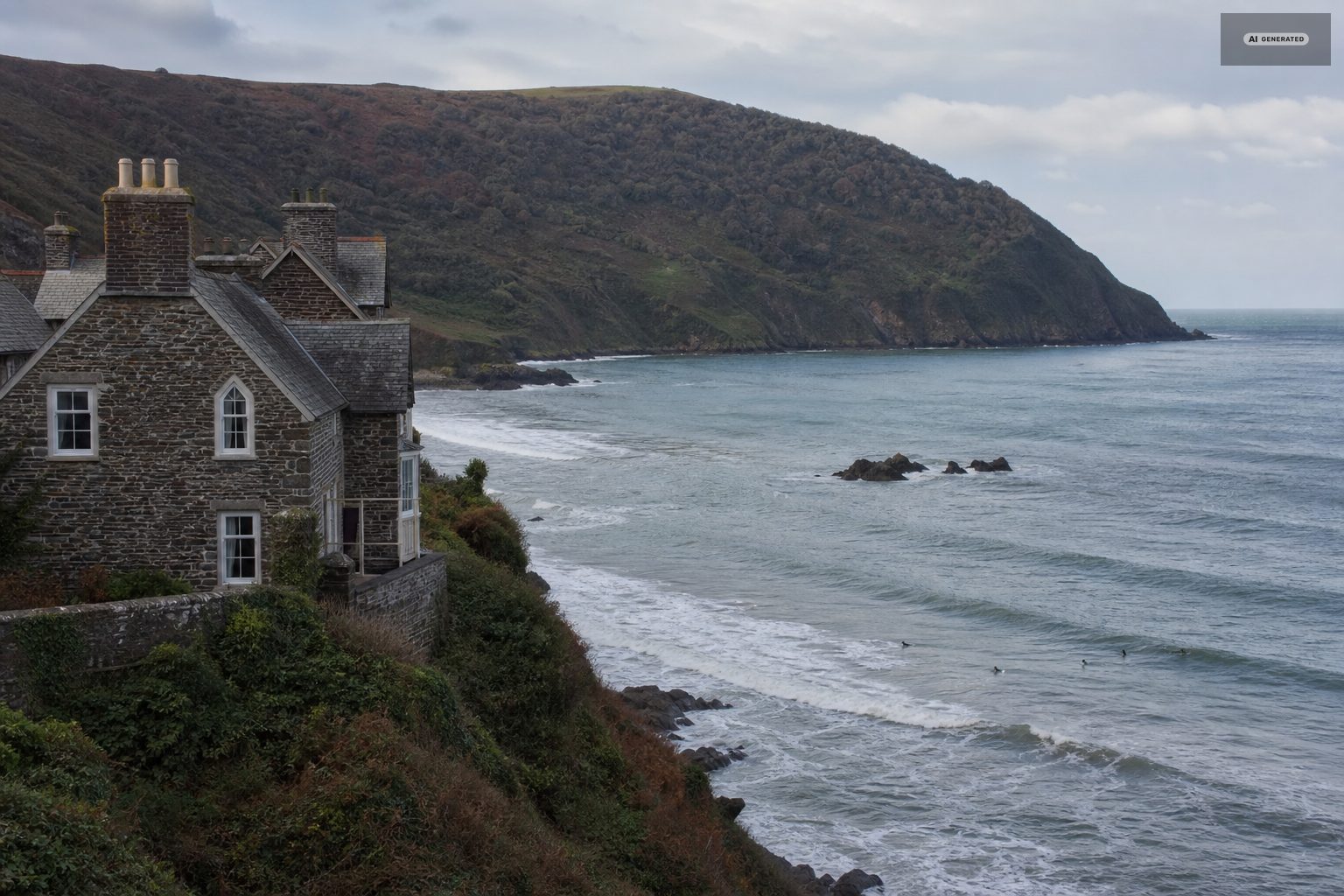
It is a genuine trade-off. Basing yourself in Lynton and Lynmouth means an hour in the car each way on surf days, and it also means the Valley of the Rocks, Watersmeet and the moor on the days when the forecast is flat - which, in summer, is most of them. For a trip that is surfing and nothing else, stay nearer the beaches.
The trade-off is honest: Lynton and Lynmouth give you the moor, the gorges and the cliff railway on the doorstep and put the surf an hour away. Basing yourself here and driving out on the days with swell works well; basing yourself here and expecting to walk to a wave does not.
Common questions
Can you surf at Lynmouth?
No. Lynmouth faces into the Bristol Channel, which is shielded from Atlantic swell and has a boulder shoreline. The nearest surf beaches are on the west-facing coast around Croyde and Woolacombe, forty to sixty minutes away.
Which is the best surf beach near Lynton?
Croyde for the most consistent and powerful wave, Saunton for learning and longboarding, Woolacombe and Putsborough for space on a busy day.
When is the best time to surf in North Devon?
Autumn - regular Atlantic groundswell, the warmest water of the year and far fewer people. Winter has the biggest swell and needs a 5/4 wetsuit with boots and hood.
How far is Croyde from Lynton?
Around fifty minutes by road via Barnstaple or Blackmoor Gate, longer in summer traffic. Parking is paid and fills early on a good forecast.