National park since 1954
Exmoor National Park: the moor above the villages and how to get into it
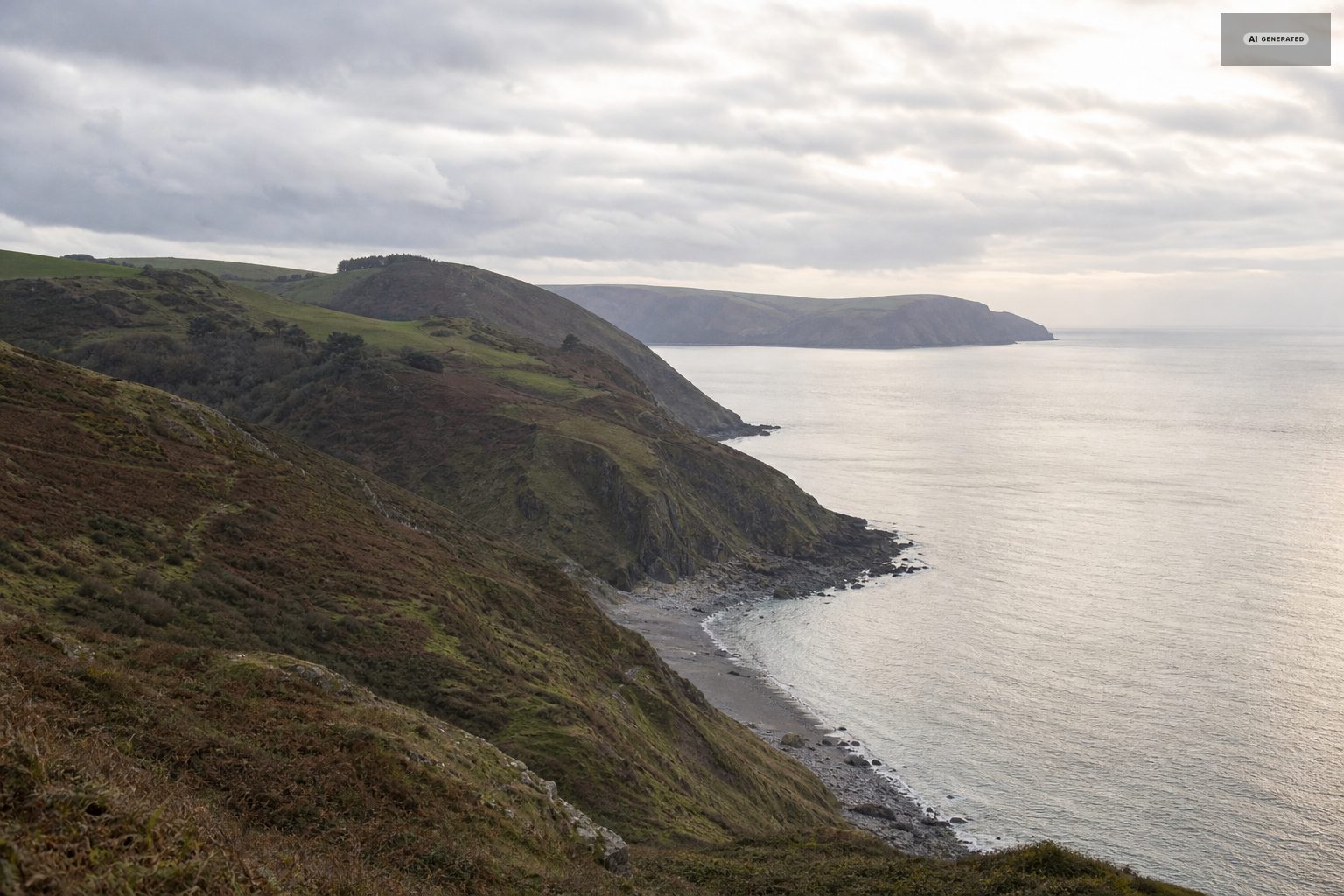
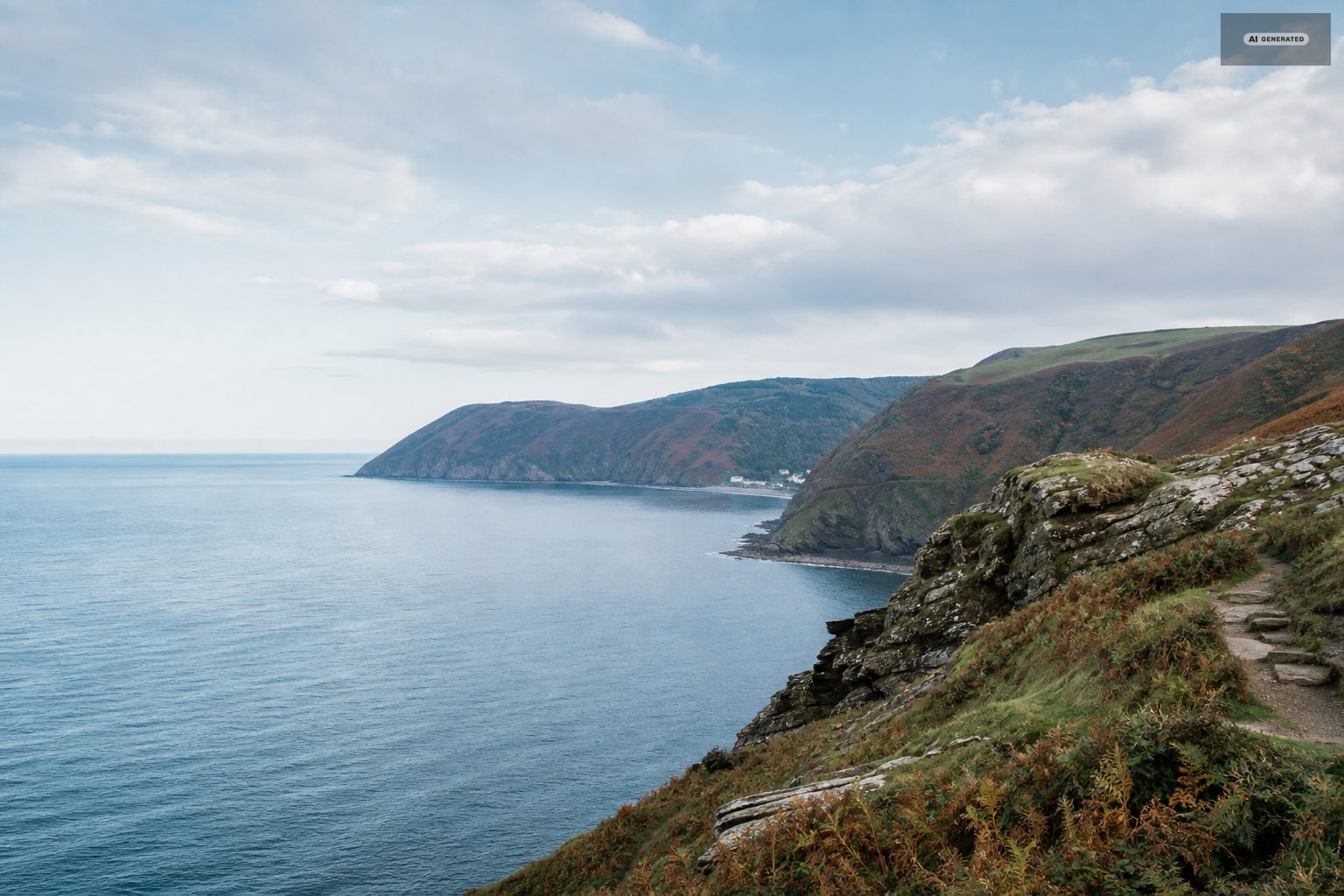
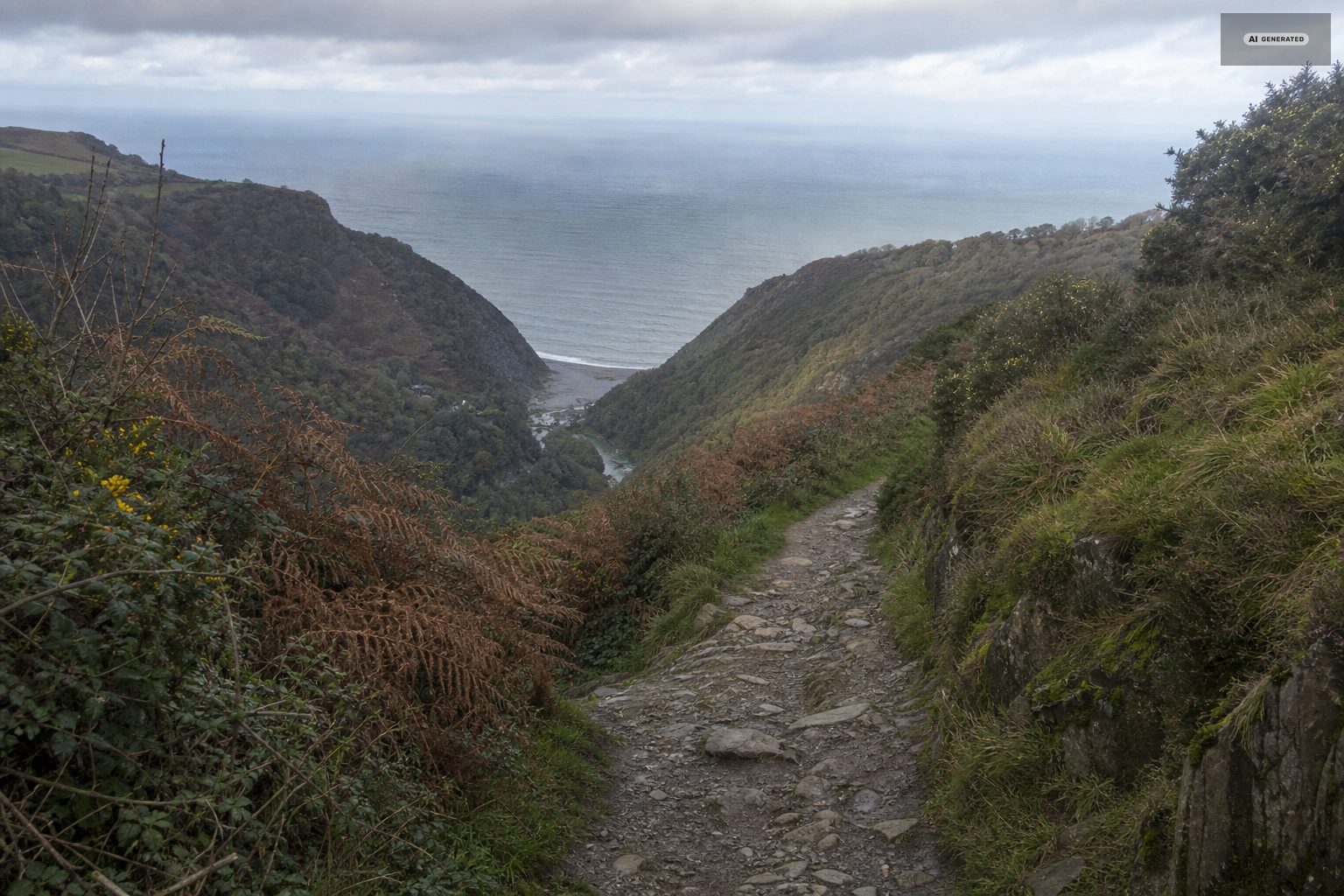
Exmoor meets the sea at Lynton and Lynmouth, and the change from wooded gorge to open heather happens in about a mile of climbing.
Exmoor is a plateau of heather moor, wooded combes and farmland that reaches the Bristol Channel along a coast of exceptionally high cliffs. Lynton and Lynmouth sit on that coastal edge, which is why a visit here is a visit to the moor whether or not you plan one - the transition from harbour to open moorland happens in the first mile of any walk that goes uphill.
-
AI-generated image 01
What the moor is like
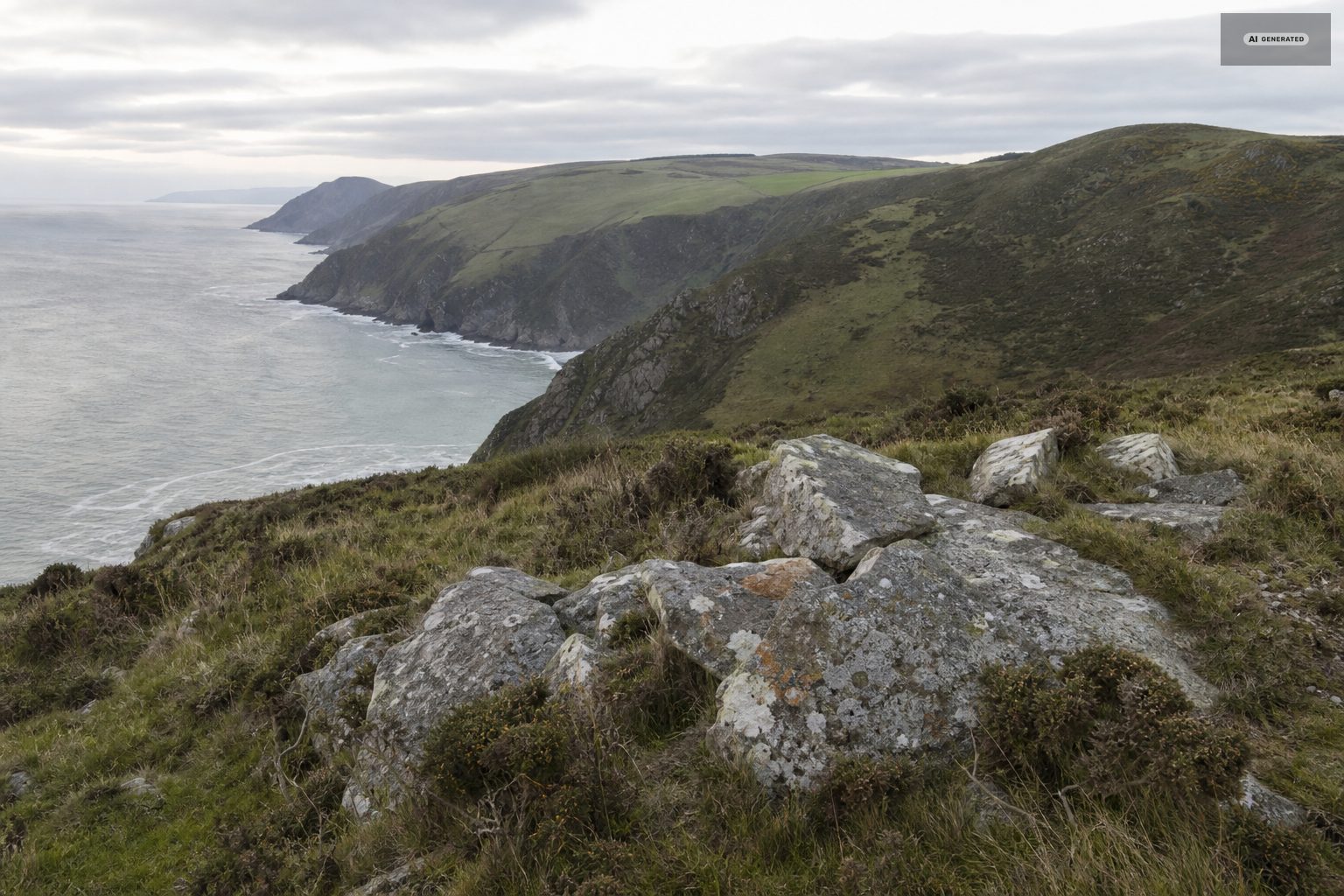
Higher Exmoor is open heather and grass moorland with long views and very little shelter. Below it, steep combes carry fast streams down through hanging oak woodland to the sea or inland to the Exe and Barle. The farmed edges are small fields behind high banked hedges. The three read as completely different landscapes and are often within a mile of each other.
The park was designated in 1954 and covers ground in both North Devon and West Somerset. Dunkery Beacon, at 1,705 feet, is the high point and gives the widest view on the moor on a clear day.
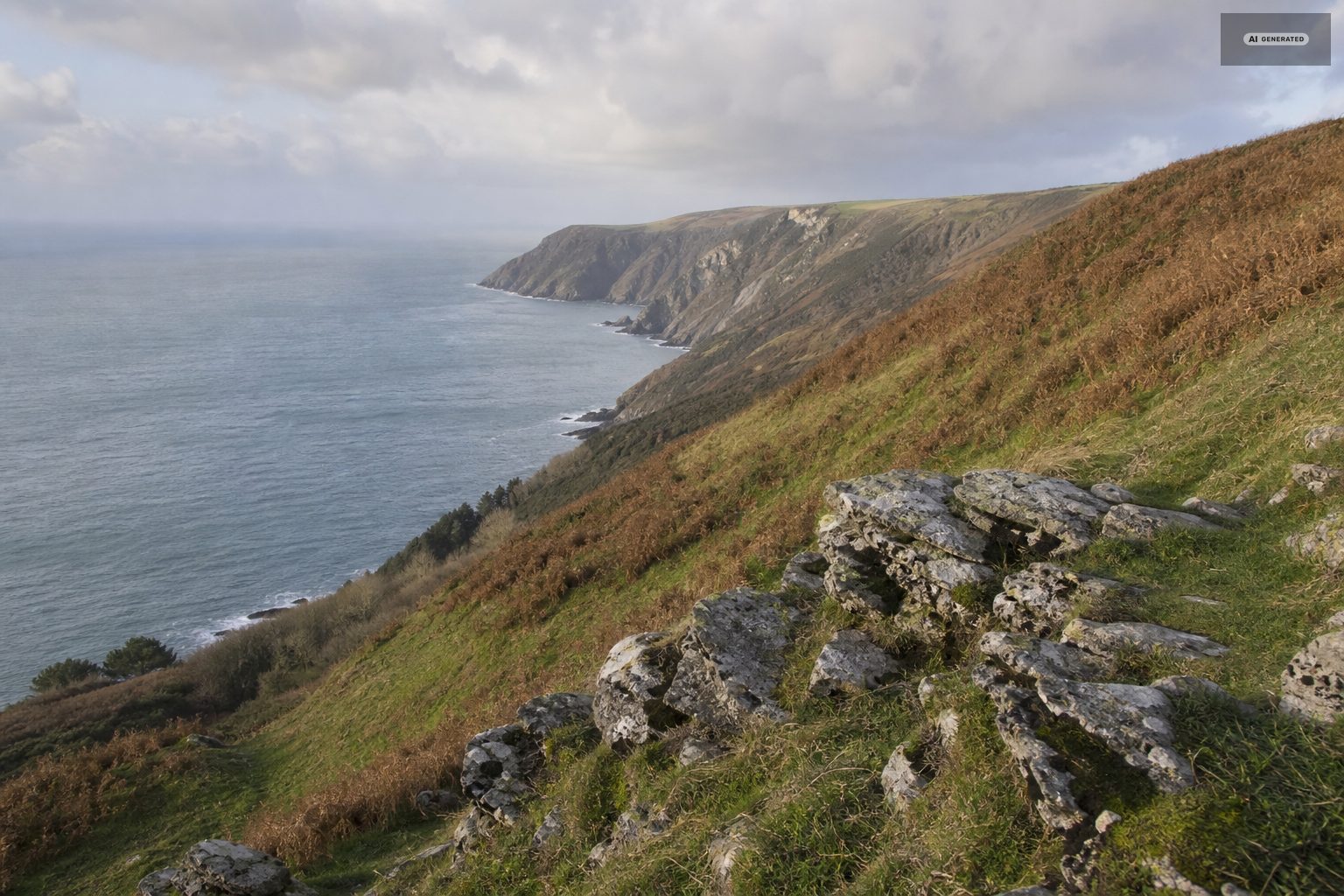
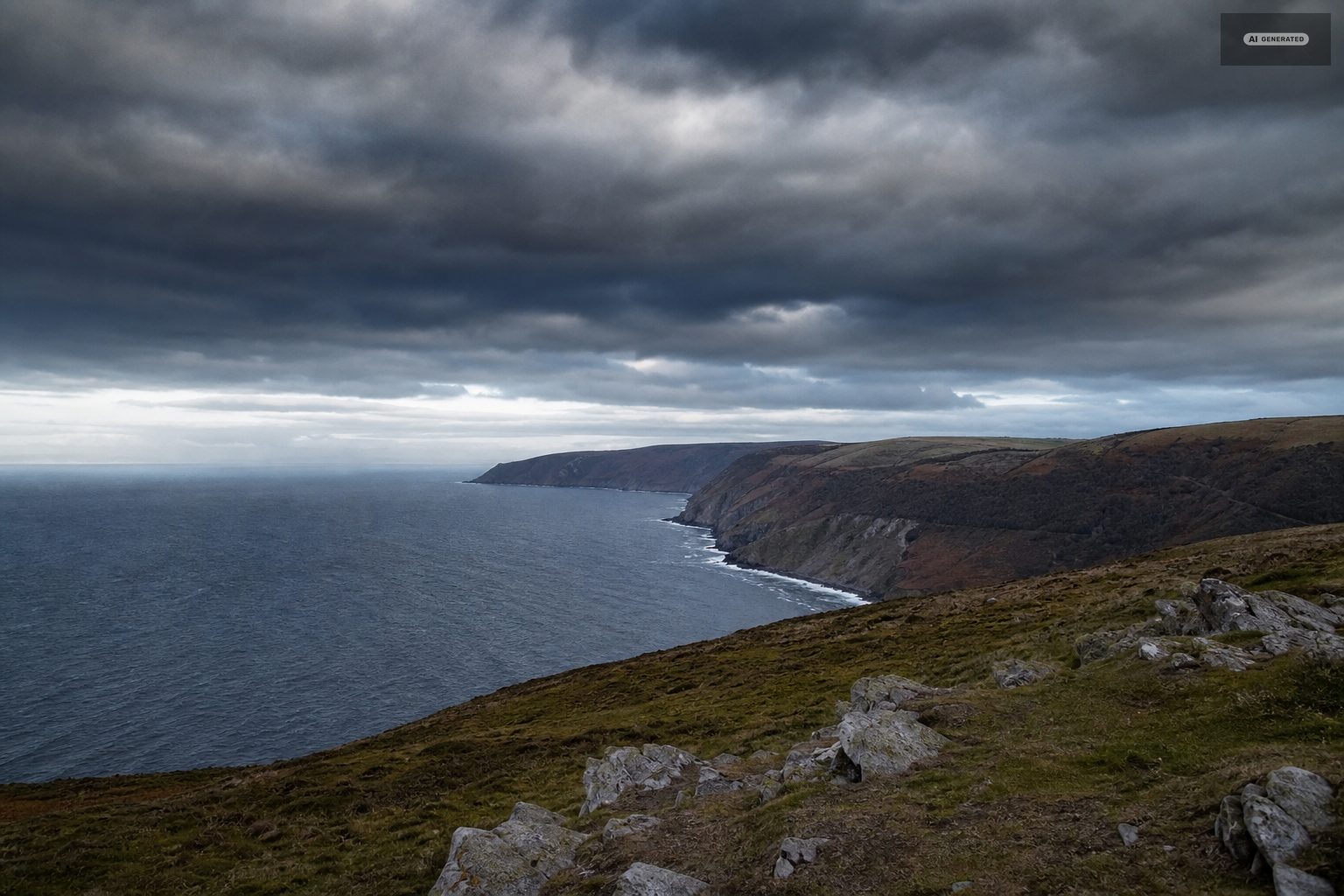
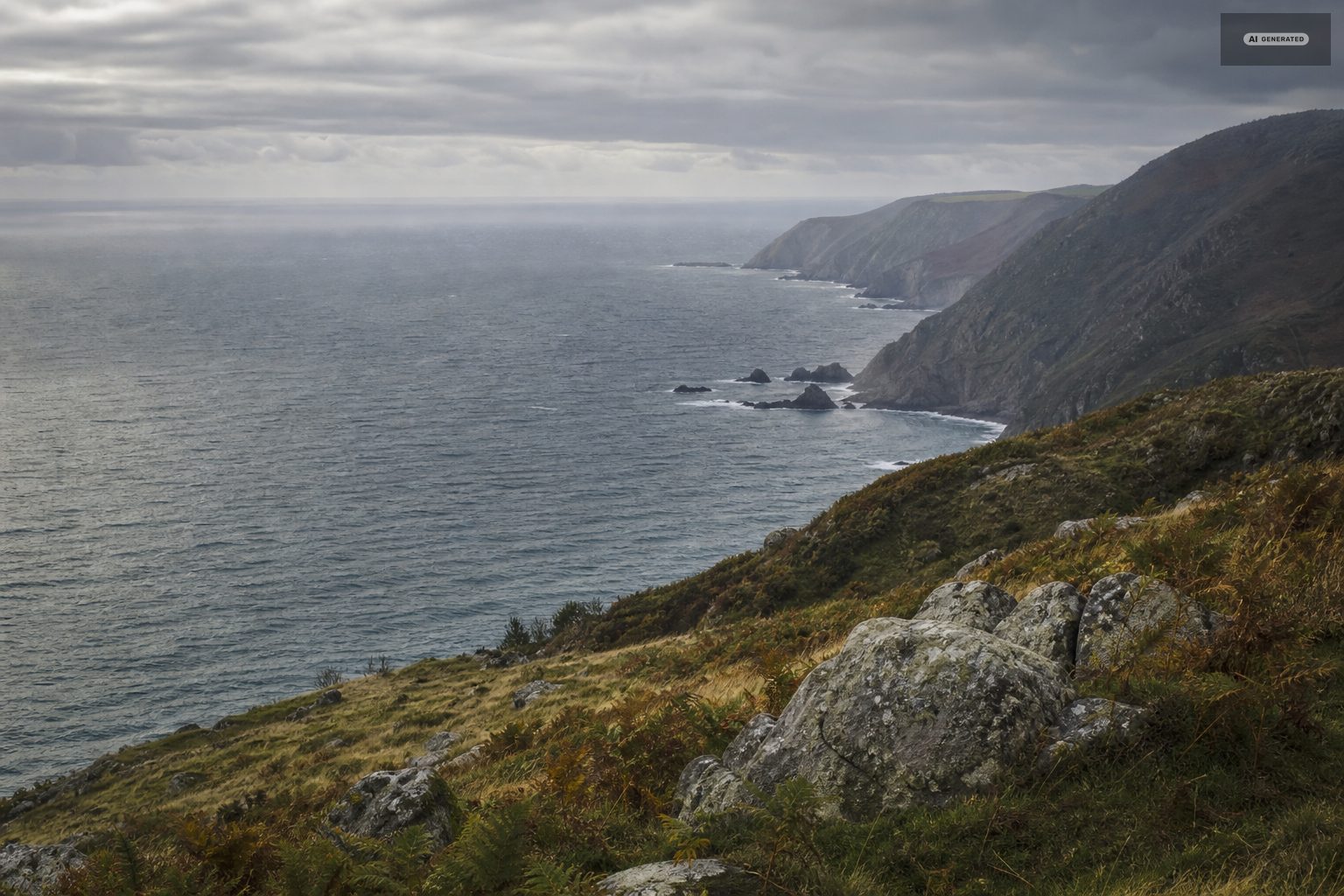
Exmoor is not one landscape but three that meet: high heather moor and rough grazing on the top, deep wooded combes cut into it by the rivers, and a coastline where the whole thing simply ends in five-hundred-foot cliffs. You can cross all three in a morning's walk, and the abruptness of the change is what people remember.
-
AI-generated image 02
What lives here
Exmoor carries England's largest population of wild red deer. Autumn, when the stags are roaring, is the season most people come to see them, and dawn on the moor edge is the time. Exmoor ponies graze the open moor - hardy, semi-wild and left out year round. On the coast above Lynton a herd of feral goats holds the Valley of the Rocks. Buzzards are constant; ravens are common on the cliffs.
Exmoor holds the largest wild red deer population in England, and autumn is when they are most obvious: the rut runs through October and the roaring carries a long way in still weather. The free-living Exmoor ponies are the other animal people come for - a hardy native breed, wintered out on the moor and managed in herds rather than owned as individuals.
The birds change with the ground. Skylarks and stonechats over the heather, dippers and grey wagtails on the rivers, buzzards and the occasional peregrine along the coast. None of it needs a hide; it needs an early start and a habit of stopping.
-
AI-generated image 03
Getting onto it from the villages
On foot
The walking routes from Lynmouth climb straight out of the gorge onto moorland. Hoar Oak Water above Watersmeet is the shortest transition; the Two Moors Way, which starts at Lynmouth, is the most committing.
By car
The 21 Mile Drive loops from Lynton over Countisbury, along the coast towards Porlock and back across the moor, and is the standard introduction if you have half a day and a vehicle.
On horseback
Exmoor is exceptional riding country and the moor is open to it in a way that most of England is not. See riding.
From either village the moor starts almost immediately. Up the East Lyn and out of the trees, or up Countisbury and inland, and within an hour of the harbour you are on open ground with nothing built in sight. That proximity is the practical argument for staying here rather than in one of the moorland villages: you get the coast and the moor from the same doorstep.
-
AI-generated image 04
Dark skies
Exmoor was the first area in Europe to be designated an International Dark Sky Reserve. On a clear moonless night the moor above Lynton is dark enough that the Milky Way is plainly visible with no equipment at all. Winter gives the longest nights and the sharpest air; take a torch with a red filter and something warmer than you think.
Exmoor was Europe's first International Dark Sky Reserve, and the designation is meaningful rather than decorative: on a clear moonless night away from the villages the Milky Way is plainly visible to the naked eye. October to March gives the longest and darkest nights, and the practical requirement is warm clothing and twenty minutes of not looking at a phone.
-
AI-generated image 05
Weather, and taking it seriously
The moor makes its own weather and it is not the weather on the sea front. Cloud sits on the tops when the coast is clear, wind on the open ground is steady rather than gusty, and there is no shelter. Navigation matters in poor visibility because the ground repeats itself. None of this is dramatic - it just means a map, a layer and a look at the forecast for the high ground rather than the harbour.
The coast and the moor above it can be two different days. Cloud sits on the high ground while the harbour is in sun, mist arrives faster than you can walk out of it, and the wind on the top is always stronger than the wind at sea level. Carrying a layer more than the forecast suggests is the local habit for good reason.
Common questions
Are Lynton and Lynmouth in Exmoor National Park?
Yes. Both villages lie inside the national park, on its northern coastal edge, which is why the moor is walkable directly from either of them.
What is the highest point on Exmoor?
Dunkery Beacon, at 1,705 feet, roughly an hour east of Lynton by road. On a clear day the view runs across the Bristol Channel to Wales.
Where can you see red deer on Exmoor?
Exmoor holds England’s largest wild red deer population. Dawn and dusk on the open moor edge give the best chance, and the autumn rut is when they are most visible and most audible.
Is Exmoor good for stargazing?
It was the first International Dark Sky Reserve in Europe. The moorland above Lynton is dark enough for the Milky Way to be seen unaided on a clear, moonless night.